With more than 10‑year industry experience, Shandong Headpowder delivers full‑service pneumatic‑conveying systems and blowers, undertaking nationwide turn‑key powder‑handling projects.
Material conveying systems are fundamental to the efficient processing and handling of small beans, facilitating seamless movement from storage to various processing stages. The principles and operational characteristics of these systems are tailored to the unique physical properties of small beans, such as their size, density, and moisture content. Understanding these aspects is crucial for optimizing production lines, minimizing downtime, and maintaining product quality. This article delves into the core principles behind small bean material conveying and highlights the key characteristics of working scenarios where these systems are applied.
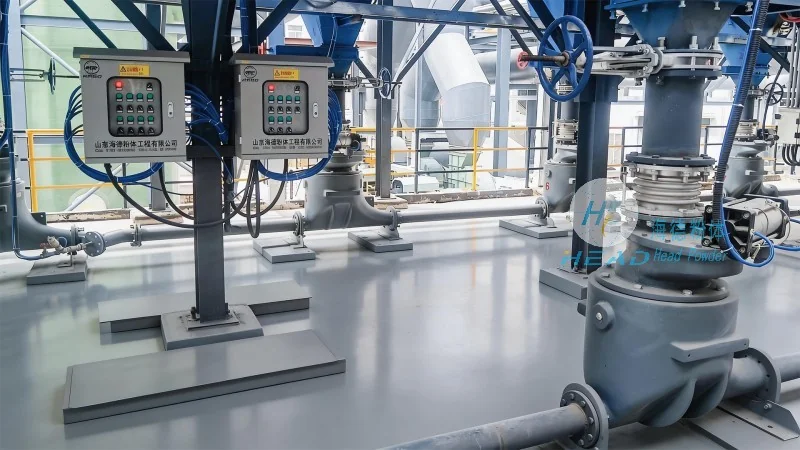
The primary principles governing small bean material conveying involve the application of mechanical forces, gravitational forces, and, in some cases, pneumatic or hydraulic systems. For small beans, which typically exhibit a relatively uniform size and shape, mechanical conveyors like belt conveyors, screw conveyors, and bucket elevators are commonly employed. These systems rely on the bean's weight and the mechanical action of the conveyor to move material either vertically or horizontally. For instance, a screw conveyor utilizes a rotating helical screw to push beans forward, while a belt conveyor employs a moving belt to transport beans at a consistent speed. In scenarios requiring vertical movement over longer distances or higher elevations, bucket elevators are preferred, as they can efficiently lift beans vertically with minimal energy consumption. Additionally, pneumatic conveying systems may be utilized for fine or dusty small beans, using air pressure to transport material through pipes. The selection of principle depends on factors like the bean's physical characteristics, the required conveying distance, and the production environment. For example, in a large-scale processing plant, a combination of screw and belt conveyors might be used to transport beans from storage silos to cleaning and sorting machines, while a pneumatic system could be employed to transfer fine dust or broken beans for further processing.
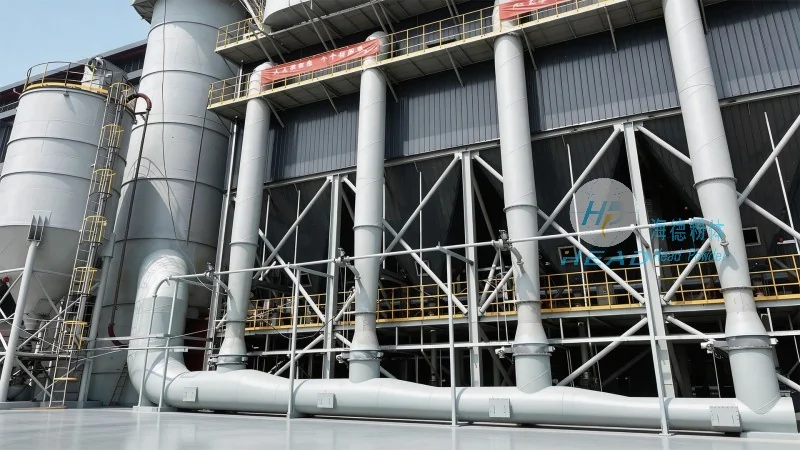
The working scene characteristics of small bean material conveying systems vary based on the specific application and production scale. In large-scale processing facilities, such as those found in agricultural processing plants, the systems are designed to handle high volumes of beans, often with multiple conveyor lines operating simultaneously. These systems are typically integrated into a larger production line, where beans are conveyed from storage to cleaning, sorting, roasting, and packaging stages. The key characteristics in such scenarios include high throughput, durability, and the ability to handle varying bean sizes and conditions. For example, in a commercial processing plant, a belt conveyor might transport beans at a speed of 2-3 meters per second, moving thousands of kilograms per hour. The conveyor system is also engineered for easy cleaning and maintenance, as hygiene is critical in food processing. In smaller-scale operations, such as family-owned processing units or small farms, the material conveying systems are more compact and may incorporate manual or semi-automatic controls. These systems are often integrated with other processing equipment, like small-scale roasters or grinders, to create a complete processing line. The working scene characteristics in these cases include lower throughput, flexibility, and the ability to adapt to different bean varieties. For instance, a small-scale processing unit might use a screw conveyor to transport beans from a storage bin to a roasting machine, with the conveyor speed adjusted based on the batch size. The system is also designed to be cost-effective and user-friendly, as it may be operated by a single worker.
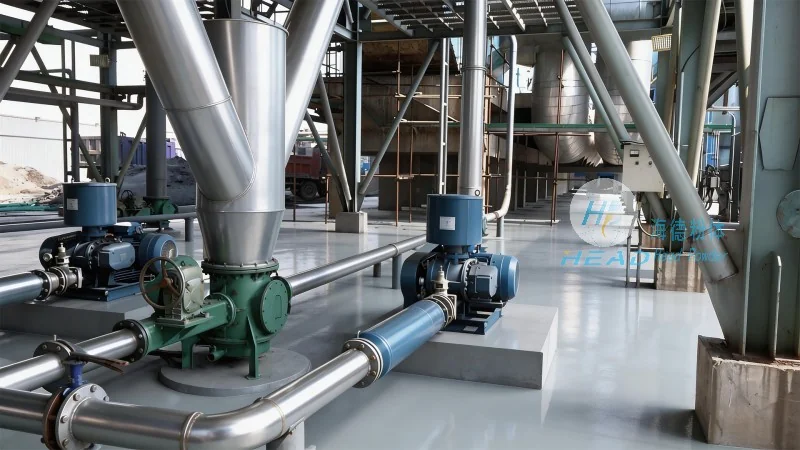
Shandong HeadPowder Engineering Co., Ltd., commonly known as headpowder, specializes in providing customized material conveying solutions for small bean processing industries. With headquarters located in Shandong, China, the company has extensive experience in designing and manufacturing conveyor systems tailored to the unique needs of small bean processors. The company's team of engineers and technicians collaborates closely with clients to understand their specific production requirements, from initial design and installation to ongoing maintenance and support. Headpowder's solutions include a range of conveyor types—such as belt conveyors, screw conveyors, and pneumatic systems—all engineered to handle the challenges of small bean material handling. The company emphasizes quality and reliability, ensuring that its products meet international standards and are durable enough to withstand continuous operation. Additionally, headpowder offers comprehensive after-sales services, including regular maintenance, spare parts supply, and technical support, to help clients maintain optimal performance of their conveying systems. By leveraging advanced technology and a deep understanding of small bean processing, headpowder assists clients in improving efficiency, reducing costs, and enhancing product quality in their material handling operations.

 Shandong Headpowder Engineering Co., Ltd.
 156-6277-7102(Manager Zhang)
  0531-83386006
  Zhangqiu District, Jinan City, Shandong Province, China
telephone
WeChatconsult
top