With more than 10‑year industry experience, Shandong Headpowder delivers full‑service pneumatic‑conveying systems and blowers, undertaking nationwide turn‑key powder‑handling projects.
HeadPowder, a leading provider in the field of powder handling technology, specializes in the design and implementation of efficient dry yeast powder conveying systems. This article delves into the operational workflow and underlying principles of such systems, highlighting their importance in industrial applications where reliable and consistent powder transport is critical.
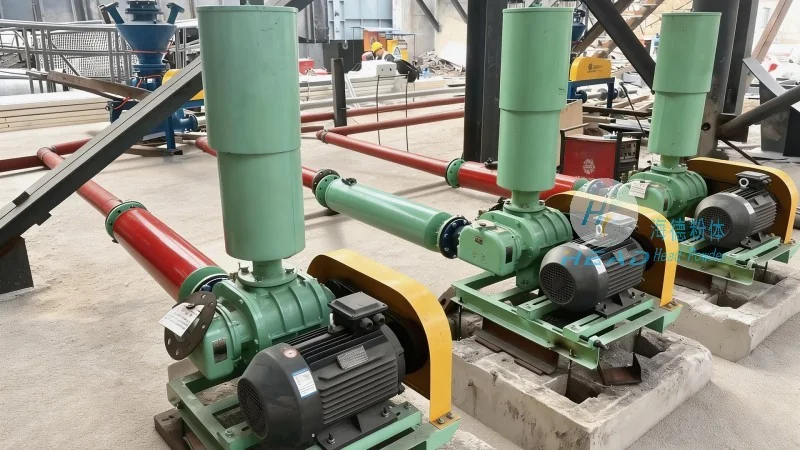
Shandong HeadPowder Engineering Co., Ltd., commonly known as HeadPowder, is a professional enterprise based in Shandong, China. With a strong focus on engineering solutions for powder processing, the company has established itself as a trusted partner for industries requiring advanced conveying systems. HeadPowder's expertise lies in understanding the unique challenges of handling dry yeast and other fine powders, ensuring that their systems are tailored to meet the specific needs of clients in various sectors, including food and beverage, pharmaceuticals, and biotechnology.
Dry yeast powder conveying systems are essential for the efficient movement of yeast from storage to processing units. These systems are designed to maintain the integrity of the yeast, preventing issues like caking, agglomeration, or contamination during transport. The core components of a typical system include storage silos, feeding mechanisms, conveying equipment, and control systems, all working in harmony to ensure smooth operation.
1. Storage Silos: These are large containers used to store dry yeast in bulk. The design of the silos, often equipped with aeration and temperature control systems, helps maintain the quality of the yeast by preventing moisture buildup and maintaining optimal conditions.
2. Feeding Mechanisms: This component is responsible for accurately measuring and controlling the flow of yeast from the silo to the conveying system. Common feeding devices include rotary valves, screw feeders, and vibratory feeders, which ensure a consistent and controlled discharge of the powder.
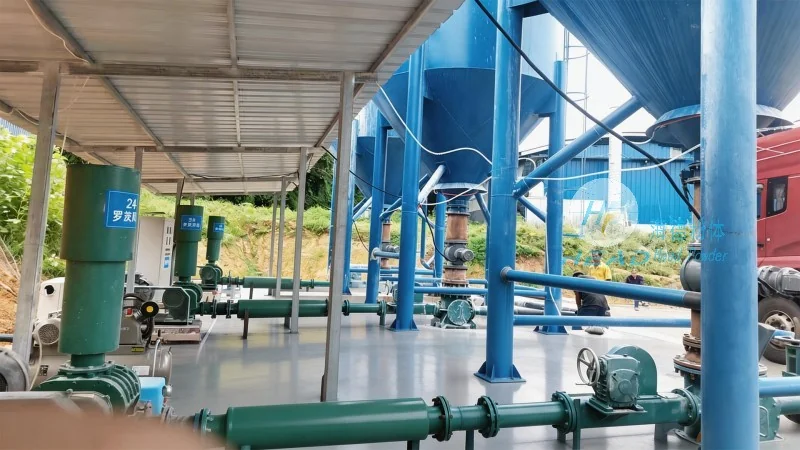
3. Conveying Equipment: The heart of the system, conveying equipment can include pneumatic systems (like air slides or pressure conveyors) or mechanical systems (such as belt conveyors or bucket elevators). The choice of equipment depends on factors like the volume of yeast to be transported, the distance, and the required speed. For dry yeast, pneumatic systems are often preferred due to their ability to handle fine powders without causing degradation.
4. Control Systems: Modern dry yeast powder conveying systems are equipped with advanced control systems that monitor and regulate various parameters, such as flow rate, pressure, and temperature. These systems ensure that the operation is safe, efficient, and compliant with industry standards.
The operation of a dry yeast powder conveying system typically follows a sequential process, starting from the storage silo and ending at the processing unit. Here's a step-by-step breakdown of the workflow:
1. Initial Storage and Preparation: Dry yeast is stored in the silo, where it is kept under controlled conditions to preserve its quality. The silo may be equipped with aeration to maintain a consistent moisture level and prevent caking.
2. Feeding and Measurement: The feeding mechanism takes the yeast from the silo and meters it into the conveying line. This step ensures that the exact amount of yeast is transported to the next stage, which is crucial for maintaining product consistency in downstream processes.
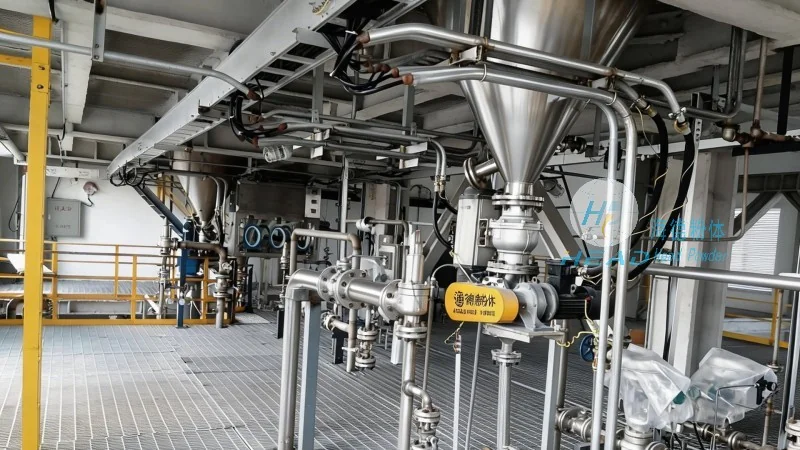
3. Conveying: The measured yeast is then conveyed through the system. In pneumatic systems, air is used to move the powder, while mechanical systems use physical force. The conveying process is designed to be gentle on the yeast, minimizing any potential damage or degradation.
4. Delivery to Processing Unit: The yeast is delivered to the processing unit, such as a mixer or a fermenter, where it is integrated into the production process. The control system ensures that the delivery is timed and controlled to meet the requirements of the production schedule.
The working principles of dry yeast powder conveying systems are based on the physics of powder flow and the mechanics of conveying equipment. The primary goal is to move the powder from one location to another while maintaining its quality and preventing any issues that could affect the final product.
1. Pneumatic Conveying Principles: Pneumatic systems use air pressure to transport the powder. The air is introduced into the conveying line, creating a flow that carries the yeast particles. The pressure and velocity of the air are carefully controlled to ensure that the powder is moved efficiently without causing excessive wear or degradation.
2. Mechanical Conveying Principles: Mechanical systems rely on physical forces, such as gravity or mechanical movement, to transport the powder. For example, belt conveyors use a moving belt to carry the yeast, while bucket elevators use buckets that rotate and lift the powder. These systems are often used for shorter distances or when the powder is less fine.
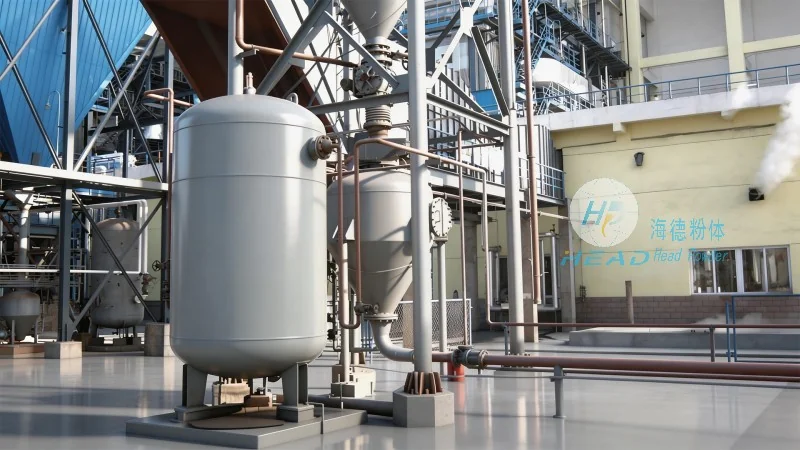
3. Control and Monitoring: Advanced control systems use sensors and feedback mechanisms to monitor the operation of the conveying system. These systems can detect any deviations in flow rate, pressure, or temperature and adjust the operation accordingly, ensuring that the system operates within optimal parameters.
Implementing a dry yeast powder conveying system offers several benefits to industrial operations. These include improved efficiency in powder handling, reduced labor costs, and enhanced product quality. By maintaining the integrity of the yeast during transport, these systems help ensure that the final product meets the required standards and specifications.
Additionally, the use of automated control systems reduces the risk of human error and improves safety in the workplace. The systems are designed to be easy to maintain and operate, with minimal downtime required for servicing.
HeadPowder's dry yeast powder conveying systems are engineered to provide reliable and efficient transport of yeast, ensuring that industrial processes run smoothly and consistently. By understanding the operational process and working principles of these systems, businesses can make informed decisions about their powder handling solutions, ultimately improving their overall productivity and product quality.

 Shandong Headpowder Engineering Co., Ltd.
 156-6277-7102(Manager Zhang)
  0531-83386006
  Zhangqiu District, Jinan City, Shandong Province, China
telephone
WeChatconsult
top