With more than 10‑year industry experience, Shandong Headpowder delivers full‑service pneumatic‑conveying systems and blowers, undertaking nationwide turn‑key powder‑handling projects.
HeadPowder, a leading manufacturer based in Shandong, China, specializes in the design, development, and production of advanced pharmaceutical powder handling equipment. Our company, Shandong HeadPowder Engineering Co., Ltd., is dedicated to providing reliable and efficient solutions for the transportation and processing of powders in pharmaceutical applications. The following content will detail the operation process and working principle of our core powder handling systems, highlighting the technical aspects and practical applications that make our equipment a trusted choice in the industry.
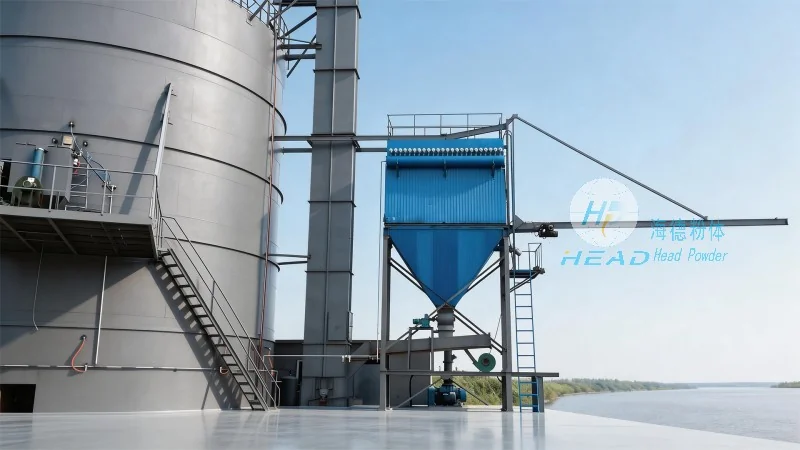
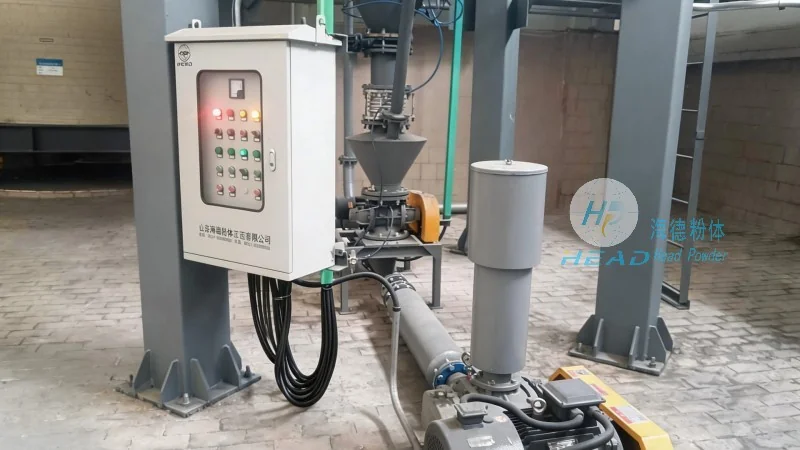
Pharmaceutical powder handling equipment is a critical component in pharmaceutical manufacturing, responsible for the safe and efficient transport of powders from raw material storage to processing lines. The operation process of these systems is meticulously designed to ensure accuracy, consistency, and compliance with regulatory standards. The process begins with the loading of the powder into a hopper or bulk container. This container is typically equipped with a lid and a discharge valve to control the initial flow of powder. Once loaded, the powder is transferred to a conveyor system, which may include a screw conveyor, pneumatic conveyor, or a combination of both. The screw conveyor operates by rotating a helical screw inside a tube, pushing the powder forward through the system. This method is particularly effective for powders with moderate flowability, as the screw provides consistent pressure and prevents clogging. Pneumatic conveyors, on the other hand, use compressed air to create a flow of powder through a pipeline. The powder is suspended in the air stream and transported to the next stage. This method is ideal for powders that are cohesive or have poor flow properties, as it minimizes particle degradation and maintains product integrity. The conveyor system is often integrated with a rotary valve at the discharge end, which acts as a controlled gate to regulate the flow rate. The rotary valve ensures a steady and controlled feed, preventing surges or backflow that could disrupt the downstream process. After the powder is conveyed to the target location, it is discharged into a receiving hopper or processing vessel. The entire operation is monitored by a control panel that displays real-time data on flow rates, pressure, and temperature. Sensors are strategically placed throughout the system to detect any abnormalities, such as blockages or low powder levels, and trigger alerts to operators. This monitoring system ensures that the process runs smoothly and that any issues are addressed promptly, minimizing downtime and maintaining product quality.
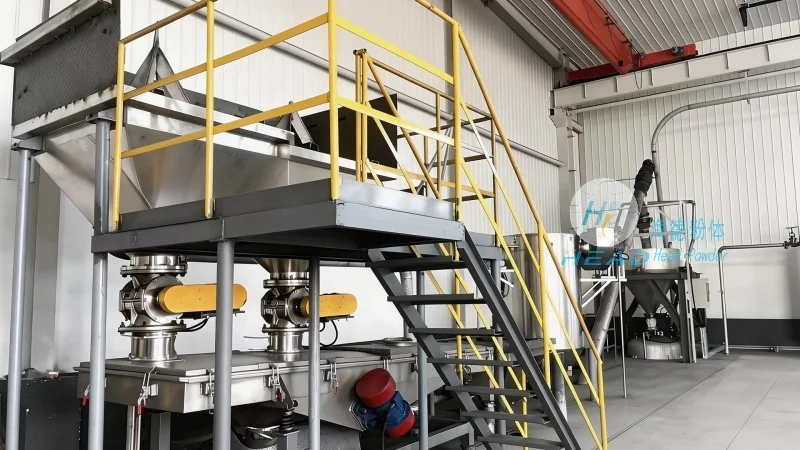
The working principle of pharmaceutical powder handling equipment is based on the integration of mechanical and pneumatic technologies to achieve efficient powder transport. The screw conveyor, for instance, utilizes the principle of positive displacement. As the screw rotates, it creates a forward-moving force that pushes the powder through the conveyor tube. The pitch and diameter of the screw are carefully selected to match the flow characteristics of the specific powder, ensuring optimal performance. Pneumatic conveyors operate on the principle of fluidization, where compressed air is introduced into the powder bed, creating a suspension of particles in the air stream. The air velocity is controlled to maintain the powder in a fluidized state, allowing it to be transported through the pipeline. This method is particularly effective for powders that are difficult to handle mechanically, as it reduces friction and prevents particle breakage. Rotary valves function based on the principle of mechanical sealing. The valve consists of a rotating disc that fits into a stationary seat, creating a tight seal to prevent powder leakage. The rotation of the disc allows the powder to pass through the valve, and the speed of rotation is adjusted to control the flow rate. This design ensures that the valve can handle a wide range of powder types, from fine powders to coarse granules, without causing clogging or wear. Additionally, the system may include filters and dust collection units to capture any airborne particles, maintaining a clean and safe working environment. These components work together to ensure that the powder is transported efficiently and safely, adhering to the strict standards of the pharmaceutical industry.
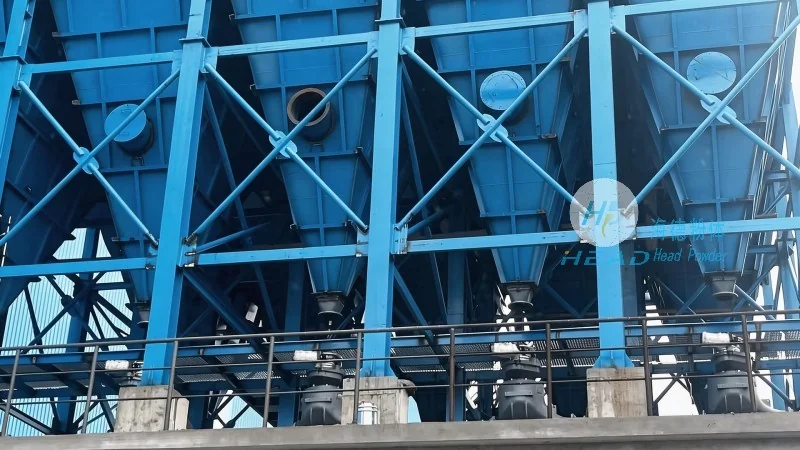
HeadPowder's pharmaceutical powder handling equipment is engineered with a range of features that enhance performance, reliability, and compliance with industry standards. One of the most notable features is the use of high-quality stainless steel construction. This material is non-corrosive, easy to clean, and resistant to chemical exposure, making it ideal for pharmaceutical applications where product purity is critical. The equipment is also designed with smooth, rounded surfaces and no dead corners, which facilitates thorough cleaning and prevents the accumulation of powder residues. This design helps maintain a sterile environment and reduces the risk of contamination. The control systems are another key feature, as they allow for precise adjustment of flow rates, pressure, and temperature. Modern control panels are equipped with digital displays and user-friendly interfaces, enabling operators to monitor and adjust parameters in real-time. This level of control ensures that the powder is handled under optimal conditions, preserving its quality and preventing degradation. Additionally, the equipment is designed for easy maintenance, with accessible components that can be quickly serviced without disrupting production. This reduces downtime and lowers maintenance costs, making it a cost-effective solution for pharmaceutical manufacturers. The integration of sensors and monitoring tools provides real-time data on the operation, allowing for proactive maintenance and quick troubleshooting. These features collectively contribute to improved efficiency, reduced waste, and enhanced product safety, making HeadPowder's equipment a trusted choice for pharmaceutical companies worldwide.

 Shandong Headpowder Engineering Co., Ltd.
 156-6277-7102(Manager Zhang)
  0531-83386006
  Zhangqiu District, Jinan City, Shandong Province, China
telephone
WeChatconsult
top