

Operation Process and Working Principle of Masterbatch Powder Conveying System
HeadPowder, a leading provider in the field of powder handling technology, specializes in the design, manufacturing, and integration of advanced masterbatch powder conveying systems. Based in Shandong, China, the company has established itself as a trusted partner for industries requiring efficient and reliable powder transport solutions. This article delves into the operation process and working principle of such systems, highlighting the key components, operational flow, and technical aspects that ensure optimal performance.

Introduction to Masterbatch Powder Conveying Systems
Masterbatch powder conveying systems are critical in various industrial applications, particularly in the plastics, rubber, and chemical sectors, where the precise and safe transport of masterbatch powders is essential for maintaining product quality and operational efficiency. These systems are engineered to handle a wide range of powder characteristics, including different particle sizes, densities, and flow properties, ensuring consistent and controlled material movement from storage to processing units.
Key Components of the Conveying System
The masterbatch powder conveying system typically consists of several interconnected components that work in tandem to achieve efficient material transport. These components include:
1. Storage Hoppers: These are large containers designed to hold bulk quantities of masterbatch powder. They are equipped with level sensors and discharge mechanisms to regulate the flow of material into the system. The hoppers are often made of corrosion-resistant materials to accommodate various powder types and ensure durability.
2. Pneumatic Conveying Lines: This is the core of the system, utilizing air pressure to move powder particles through a network of pipes. The lines are constructed from high-quality, food-grade or industrial-grade materials, depending on the application, and are designed to minimize powder degradation and contamination.
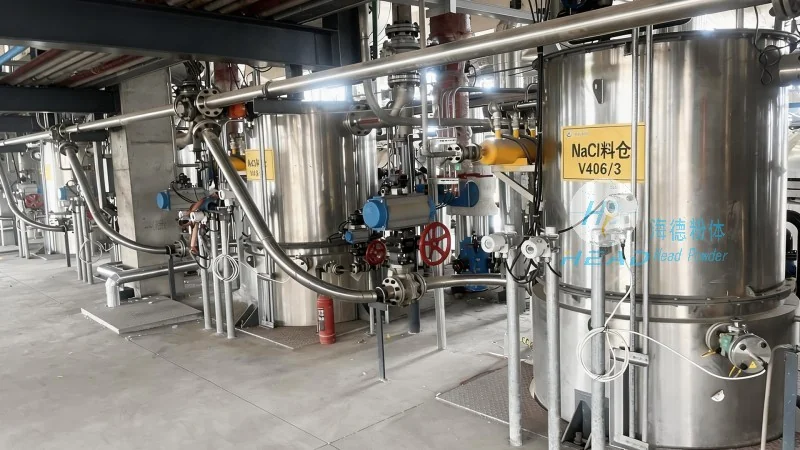
3. Control Valves and Regulators: These components are crucial for managing the air pressure and flow rate within the system. They ensure that the powder is conveyed at the optimal velocity, preventing issues such as clogging or excessive wear on equipment.
4. Conveying Nozzles and Ducts: The nozzles and ducts are strategically positioned to direct the powder flow to the desired destination, such as a mixer, extruder, or storage tank. Their design is tailored to the specific powder characteristics to maintain consistent flow and prevent blockages.
5. Filtering and Dust Collection Systems: To maintain a clean and safe working environment, the system incorporates advanced filtration and dust collection mechanisms. These systems capture any airborne particles, ensuring compliance with environmental regulations and protecting personnel from respiratory hazards.
Operation Process of the Masterbatch Powder Conveying System
The operation of the masterbatch powder conveying system follows a systematic process that ensures smooth and continuous material transport. The sequence typically begins with the loading of the storage hopper with the masterbatch powder. Once the hopper is filled, the system initiates the conveying process by activating the pneumatic lines and control valves.
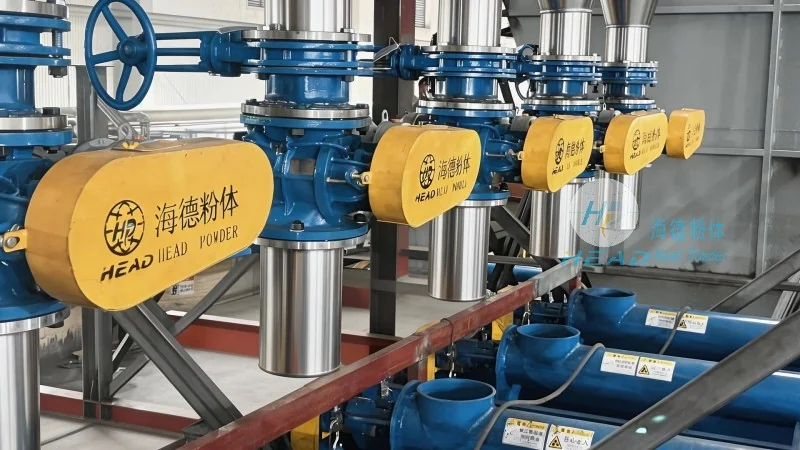
During the operation, the air pressure is regulated to create a consistent flow of powder through the conveying lines. The powder is drawn from the hopper and transported through the ducts and nozzles to the target processing unit. The system continuously monitors the flow rate and pressure, adjusting as needed to maintain optimal performance. This real-time monitoring ensures that any deviations are quickly identified and corrected, preventing system downtime or material loss.
As the powder reaches the processing unit, it is discharged into the appropriate equipment, such as a mixer or extruder, where it is further processed. The system then returns to the standby mode, ready for the next batch of material. The entire process is automated, reducing the need for manual intervention and minimizing the risk of human error.
Working Principle of the Masterbatch Powder Conveying System
The working principle of the masterbatch powder conveying system is based on the fundamental principles of fluid dynamics and particle transport. The system utilizes a combination of air pressure and gravity to move the powder particles through the conveying lines. The key to its efficiency lies in the design of the components and the control of the air flow.
When the system is activated, compressed air is introduced into the conveying line, creating a pressure differential that propels the powder particles forward. The air flow is designed to be sufficient to overcome the resistance of the powder particles and the friction within the pipes, ensuring a smooth and continuous flow. The velocity of the air is carefully controlled to prevent the powder from settling or clogging the lines.
The system also employs a Venturi effect or other air-assisted mechanisms to enhance the conveying efficiency. These mechanisms use the velocity of the air to draw the powder particles into the conveying stream, reducing the energy required for transport. This approach is particularly effective for powders with low flowability or high density.
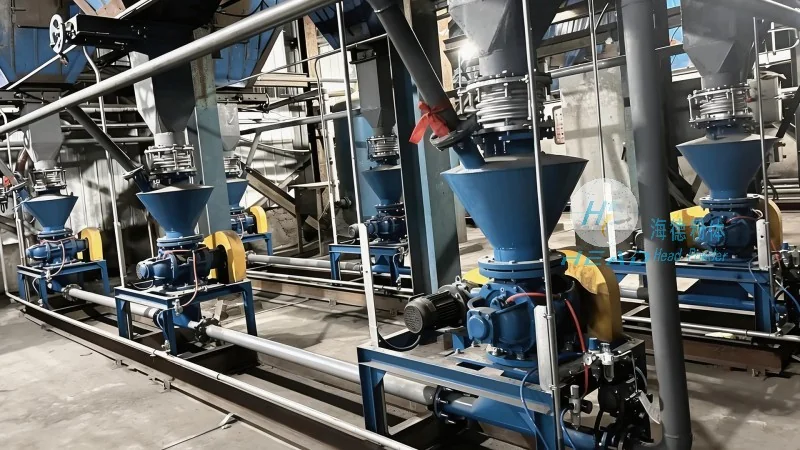
Additionally, the system incorporates feedback mechanisms to adjust the air pressure and flow rate based on the powder characteristics and system conditions. This dynamic adjustment ensures that the system operates at its optimal efficiency, minimizing energy consumption and maximizing material throughput.
Benefits and Applications of Masterbatch Powder Conveying Systems
The masterbatch powder conveying system offers numerous benefits to industries that handle bulk powders. These include improved operational efficiency, reduced labor costs, enhanced product quality, and increased safety. The system is particularly suitable for applications where the consistent and controlled transport of masterbatch powders is critical, such as in the production of plastic compounds, rubber products, and chemical additives.
HeadPowder's masterbatch powder conveying systems are designed to meet the specific needs of various industries, including plastics manufacturing, rubber processing, and chemical processing. The systems are customizable to accommodate different powder types, processing requirements, and environmental conditions, ensuring that they provide the best possible solution for each application.
In conclusion, the masterbatch powder conveying system is a sophisticated and efficient solution for the transport of masterbatch powders. By understanding its operation process and working principle, industries can leverage this technology to improve their production processes, reduce costs, and enhance product quality. HeadPowder, with its expertise and commitment to quality, continues to provide reliable and advanced powder handling solutions for its clients in Shandong, China, and beyond.