With more than 10‑year industry experience, Shandong Headpowder delivers full‑service pneumatic‑conveying systems and blowers, undertaking nationwide turn‑key powder‑handling projects.
Your current position:首页 >> News >> Updates

Principles and Operational Scenarios of Cocoa Powder Bulk Material Handling

Release time:2026-09-19 02:01:29
name of the company:Shandong Headpowder Engineering Co., Ltd.
telephone:156-6277-7102
contacts:Manager Zhang

HeadPowder, a leading engineering firm based in Shandong, China, specializes in the design and implementation of efficient bulk material handling systems, particularly for cocoa powder. This article explores the fundamental principles behind cocoa powder bulk material handling and highlights key operational scenarios where such systems are applied.
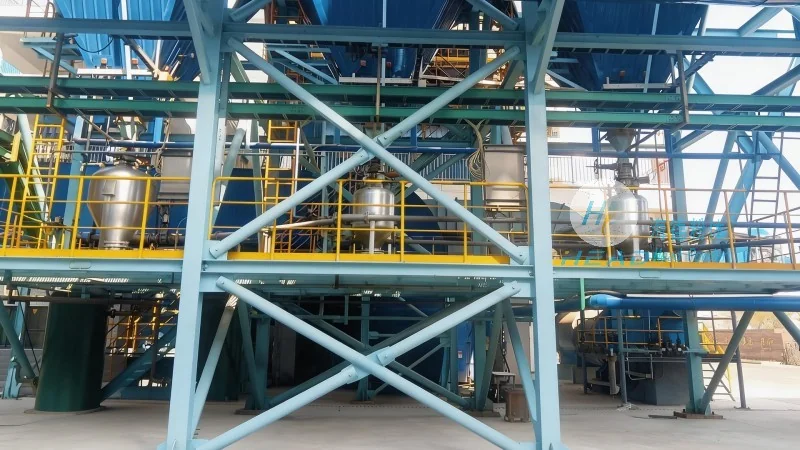
Principles and Operational Scenarios of Cocoa Powder Bulk Material Handling

Understanding the Core Principles of Cocoa Powder Bulk Material Handling

The efficient handling of cocoa powder, a fine and often hygroscopic powder, requires specialized approaches to ensure product integrity, minimize dust generation, and maintain process efficiency. The primary principles involve controlling particle flow, managing air or mechanical forces, and ensuring consistent material transfer. For cocoa powder, which is sensitive to moisture and temperature changes, the choice of handling method is critical. Common principles include:

  • Controlling particle size and moisture content to prevent agglomeration and blockages.
  • Utilizing enclosed systems to minimize dust exposure and environmental contamination.
  • Implementing gentle handling techniques to preserve the flavor and quality of the cocoa powder.

Key technologies employed in cocoa powder bulk material handling include pneumatic conveying (such as pressure and vacuum systems), mechanical conveying (like screw conveyors and belt conveyors), and vacuum-assisted systems. Each method offers advantages depending on the specific application requirements, including the distance of material transport, the volume of powder, and the need for dust control.
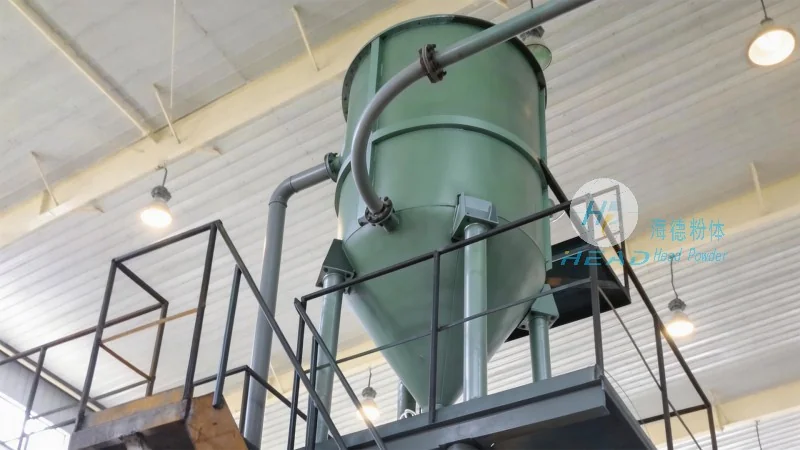
Principles and Operational Scenarios of Cocoa Powder Bulk Material Handling

Operational Scenarios for Cocoa Powder Bulk Material Handling

Cocoa powder bulk material handling systems are widely used across various industries, particularly in the food and beverage sector. The operational scenarios where these systems are essential include:

  • Chocolate Manufacturing Plants: In chocolate production, cocoa powder is a critical ingredient. Handling systems are used to transport cocoa powder from storage silos to mixing and processing lines. The systems must ensure a consistent flow of powder to maintain the quality and consistency of the final chocolate products.
  • Food Processing Facilities: Beyond chocolate, cocoa powder is used in a range of food products, including baked goods, beverages, and confectionery. In these facilities, bulk handling systems are integrated into production lines to ensure seamless material transfer from raw material storage to processing equipment.
  • Industrial and Research Laboratories: For research and quality control purposes, precise and controlled handling of cocoa powder is necessary. Systems designed for laboratory use often involve smaller-scale pneumatic or mechanical conveyors to handle small batches of powder for testing and analysis.

In each of these scenarios, the effectiveness of the bulk material handling system directly impacts production efficiency, product quality, and operational safety. Proper system design, regular maintenance, and adherence to industry standards are essential to ensure optimal performance.
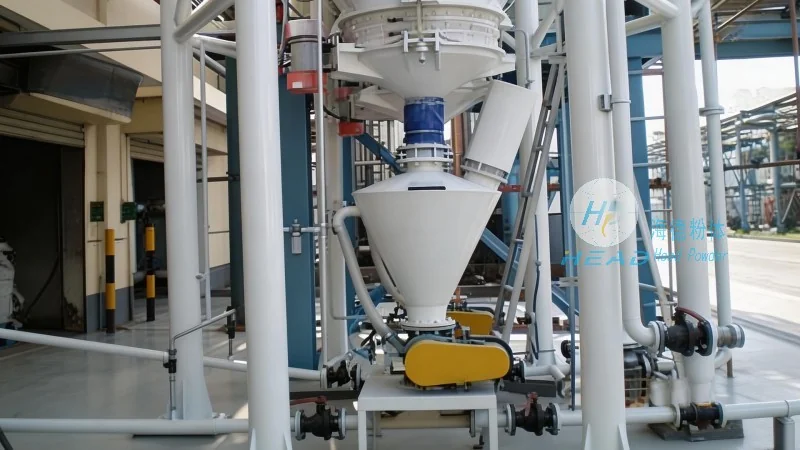
Principles and Operational Scenarios of Cocoa Powder Bulk Material Handling

Key Considerations for Effective Cocoa Powder Handling Systems

When designing or selecting a cocoa powder bulk material handling system, several factors must be considered to achieve optimal results. These include:

  • Material Properties: The physical and chemical properties of cocoa powder, such as its fineness, moisture content, and hygroscopic nature, influence the choice of handling method. For example, fine powders may require more gentle handling to prevent caking or blockages.
  • Transport Distance and Capacity: The distance over which cocoa powder needs to be transported and the required throughput (volume per hour) determine the system's design. Longer distances may necessitate more powerful conveying systems, while high-capacity applications may require multiple parallel lines.
  • Dust Control and Environmental Regulations: As cocoa powder is a fine powder, dust control is a critical consideration. Enclosed systems with filtration and dust collection equipment are commonly used to comply with environmental regulations and maintain a safe working environment.
  • Integration with Existing Infrastructure: The compatibility of the new handling system with existing production lines, storage silos, and processing equipment is essential. A well-designed system should integrate seamlessly to avoid disruptions to current operations.

HeadPowder, with its expertise in bulk material handling, provides tailored solutions that address these considerations. By leveraging advanced engineering and industry experience, the company ensures that cocoa powder handling systems are efficient, reliable, and aligned with the specific needs of each application.

recommend

Copyright © Shandong Headpowder Engineering Co., Ltd.    营业执照公示 网站地图

top
