With more than 10‑year industry experience, Shandong Headpowder delivers full‑service pneumatic‑conveying systems and blowers, undertaking nationwide turn‑key powder‑handling projects.
Understanding the fundamental concepts of sulfur powder pneumatic conveying machines is crucial for industries dealing with bulk solid materials, particularly sulfur powders. These specialized equipment are engineered to transport sulfur powder efficiently and safely through a pneumatic system, leveraging compressed air or other gas streams to move the material from one location to another. The design principles behind these machines are centered on optimizing material flow, minimizing particle degradation, and ensuring reliable operation under various process conditions.
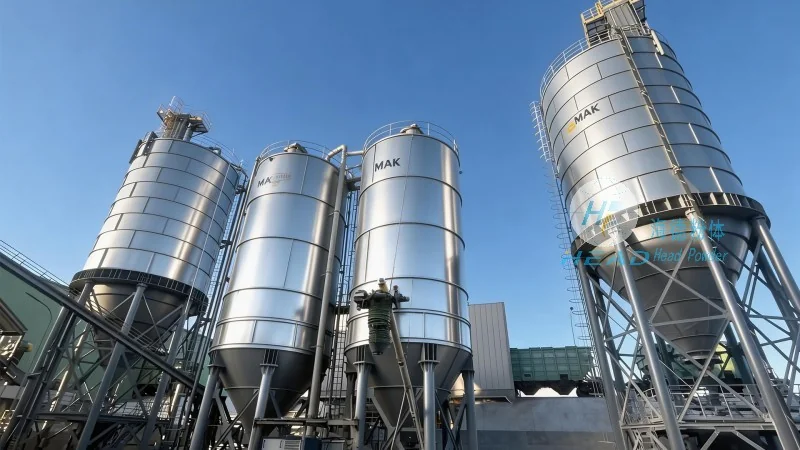
The sulfur powder pneumatic conveying machine typically consists of several core components that work in concert to achieve effective material transport. The primary components include the hopper or feed inlet, where the sulfur powder is introduced; the conveying line, which houses the material as it is propelled by the air stream; the air supply system, responsible for generating the necessary pressure and flow of gas; and the discharge outlet, where the material is deposited at the destination. Each component plays a critical role in maintaining the integrity of the sulfur powder and ensuring smooth operation. For instance, the hopper is designed to minimize material bridging and segregation, while the conveying line is often equipped with features like liners or special coatings to prevent material buildup and corrosion. The air supply system may include compressors, filters, and regulators to provide a consistent and clean air flow, which is essential for preventing contamination and ensuring the longevity of the equipment. The discharge outlet is engineered to handle the material's characteristics, such as its density and flowability, to prevent blockages and ensure accurate deposition.
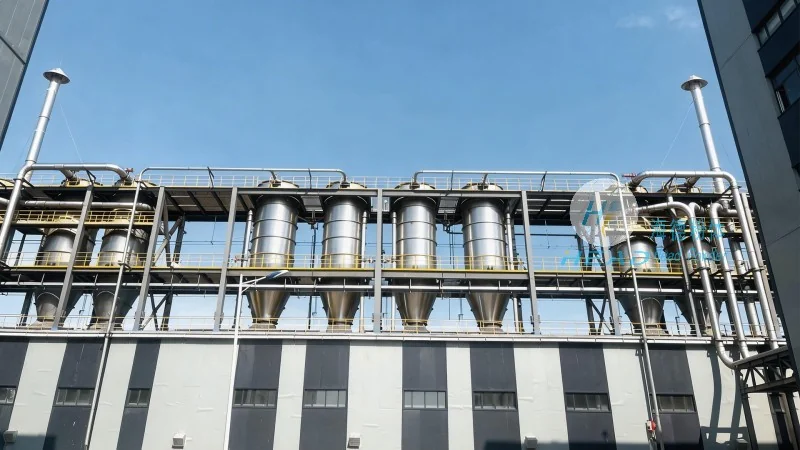
The design principles of sulfur powder pneumatic conveying machines are tailored to address the unique properties of sulfur powder, including its reactivity, moisture sensitivity, and flow characteristics. One of the key design considerations is the prevention of material degradation, which can occur due to friction, impact, or exposure to air. To mitigate this, the conveying system often incorporates low-friction materials, such as stainless steel or specialized polymers, in the hopper and conveying line. Additionally, the air velocity is carefully controlled to avoid excessive particle impact, which can lead to agglomeration or degradation. The system may also include features like cyclones or separators to separate any entrained air from the sulfur powder, ensuring that the material is delivered in a dry and free-flowing state. Another critical design principle is the optimization of pressure and flow rates. The air pressure and velocity are adjusted based on the sulfur powder's bulk density and particle size distribution to achieve the most efficient transport without causing excessive energy consumption or equipment wear. This balance is essential for maintaining the economic viability of the operation and ensuring long-term reliability.
Sulfur powder pneumatic conveying machines find widespread application in various industrial sectors, including chemical manufacturing, fertilizer production, and mining operations. In chemical manufacturing, these machines are used to transport sulfur powder as a raw material for the production of sulfuric acid or other sulfur-based compounds. The ability to handle large volumes of sulfur powder efficiently and safely is crucial in these processes, as it directly impacts production throughput and product quality. In fertilizer production, sulfur powder is often blended with other nutrients, and the pneumatic conveying system ensures that the sulfur is mixed uniformly with the other components, leading to consistent product quality. The benefits of using sulfur powder pneumatic conveying machines extend beyond efficiency and reliability. These systems offer advantages such as reduced labor costs, minimized material handling risks, and improved workplace safety. By eliminating the need for manual handling of bulk sulfur powder, the risk of dust exposure and accidents is significantly reduced. Furthermore, the enclosed nature of the pneumatic system prevents dust from being released into the environment, contributing to better air quality and compliance with environmental regulations. The compact design of these machines also allows for easy integration into existing production lines, making them a practical solution for retrofitting or new installations.
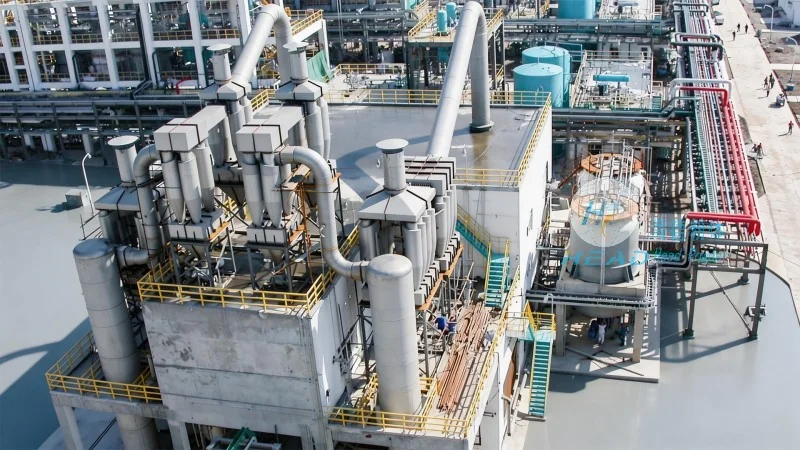
Proper maintenance and operational practices are essential for maximizing the lifespan and performance of sulfur powder pneumatic conveying machines. Regular maintenance activities include inspecting and cleaning the hopper and conveying line to prevent material buildup and corrosion. The air supply system should be checked regularly for proper functioning, including the compressor, filters, and regulators, to ensure consistent air pressure and quality. The discharge outlet and cyclones should also be inspected to ensure they are functioning correctly and not clogged with sulfur powder. Operational considerations include monitoring the air pressure and flow rates to ensure they are within the optimal range for the specific sulfur powder being transported. Adjustments may be necessary based on changes in the material's properties or the system's load. Additionally, it is important to follow the manufacturer's guidelines for operating the equipment, including start-up and shutdown procedures, to prevent damage and ensure safe operation. By adhering to these maintenance and operational practices, the sulfur powder pneumatic conveying machine can operate efficiently and reliably for extended periods, providing consistent performance and minimizing downtime.

 Shandong Headpowder Engineering Co., Ltd.
 156-6277-7102(Manager Zhang)
  0531-83386006
  Zhangqiu District, Jinan City, Shandong Province, China
telephone
WeChatconsult
top