With more than 10‑year industry experience, Shandong Headpowder delivers full‑service pneumatic‑conveying systems and blowers, undertaking nationwide turn‑key powder‑handling projects.
Understanding the design and functionality of inorganic salt pneumatic conveyors is crucial for industries that handle bulk materials like salts, chemicals, and other powders. These systems are engineered to efficiently transport materials through a pressurized or vacuum environment, offering a flexible and cost-effective solution for material handling. The following article explores the fundamental aspects of inorganic salt pneumatic conveyors, including their design principles and practical applications.
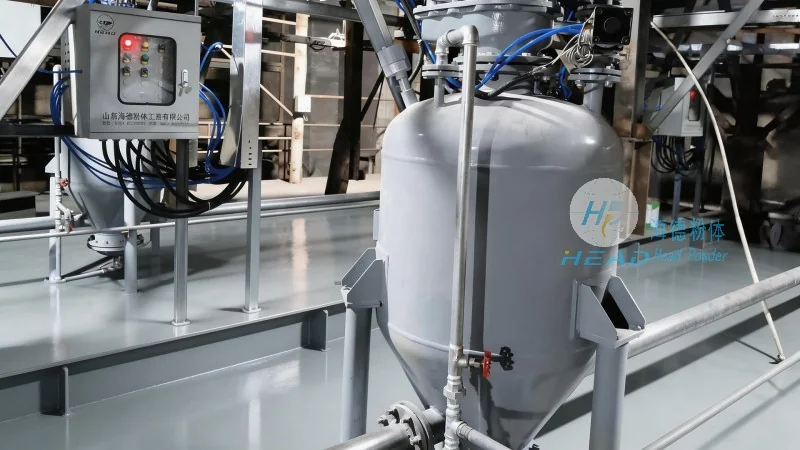
An inorganic salt pneumatic conveyor is a type of pneumatic conveying system specifically designed to transport inorganic salts and similar bulk materials. Unlike traditional mechanical conveyors, which rely on belts or buckets, pneumatic conveyors use air or gas to move materials through a pipeline. This method is particularly advantageous for handling fine powders or granules that are prone to dust, as it minimizes contamination and ensures a clean transfer process. The system typically consists of a hopper for material storage, a blower or vacuum pump to create airflow, a pipeline network, and a discharge point for the material. The choice of system (pressure or vacuum) depends on the material characteristics, distance, and layout of the conveying route.
The design of an inorganic salt pneumatic conveyor is based on several key principles to ensure efficient and reliable operation. The first principle is the selection of the appropriate conveying method—either pressure or vacuum. Pressure systems use a blower to push air and material through the pipeline, while vacuum systems use a vacuum pump to pull material into the pipeline. The choice between these methods is determined by factors such as the material's density, flowability, and the distance and elevation changes in the conveying path. For inorganic salts, which are often dense and have moderate flowability, pressure systems are commonly preferred as they can handle longer distances and steeper inclines without significant pressure loss.
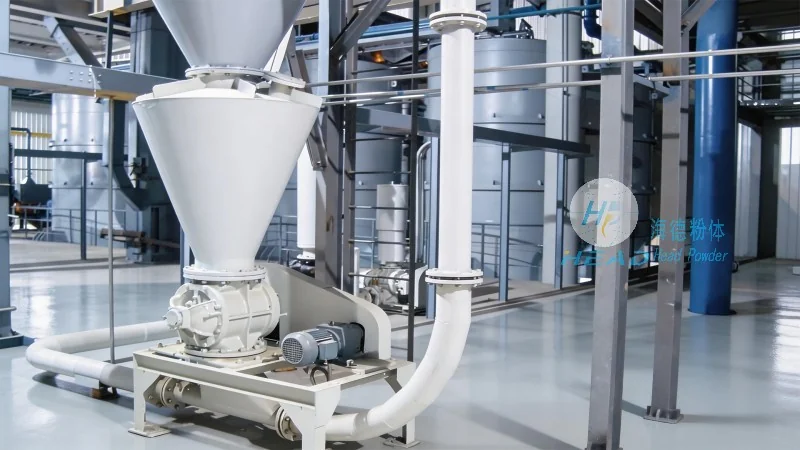
A second critical design principle is the sizing of the pipeline and air velocity. The diameter of the pipeline and the velocity of the air are carefully calculated to maintain the material in a suspended state, preventing it from settling or clogging the system. This is achieved by ensuring the air velocity is sufficient to overcome the material's weight and friction within the pipeline. For inorganic salts, typical air velocities range from 20 to 30 meters per second in pressure systems, depending on the material's properties. The pipeline diameter is usually 50 to 150 millimeters, depending on the material flow rate and the system's capacity.
Several key components make up an inorganic salt pneumatic conveyor, each playing a vital role in the system's operation. The hopper or feeder is the initial component where the material is loaded. It is designed to maintain a consistent material level and prevent blockages, often equipped with a gate valve or rotary valve to control the flow rate. The blower or vacuum pump provides the necessary airflow to move the material. In pressure systems, a positive displacement blower is commonly used, while in vacuum systems, a rotary lobe or Roots blower is preferred. The pipeline network connects the feeder to the discharge point and may include bends, elbows, and expansion joints to accommodate changes in direction and elevation. The discharge point, such as a silo or storage tank, is where the material is deposited. It is typically equipped with a dust filter or cyclone to separate any entrained air from the material, ensuring a clean discharge.
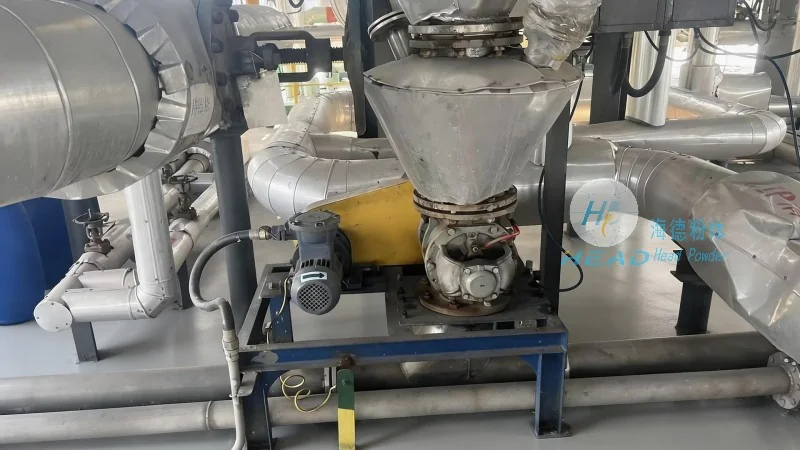
Implementing an inorganic salt pneumatic conveyor offers several advantages over traditional mechanical conveying systems. One of the primary benefits is the flexibility in layout, as the system can be installed in a variety of configurations, including horizontal, vertical, or a combination of both. This allows for efficient material transfer even in complex plant layouts. Another advantage is the reduced risk of material contamination, as the system is enclosed and operates under controlled conditions. This is particularly important for inorganic salts used in food, pharmaceutical, or chemical industries, where purity is paramount. Additionally, pneumatic conveyors are generally more energy-efficient than mechanical systems, especially for long-distance or high-elevation conveying, as they can achieve higher material throughput with lower power consumption.
Inorganic salt pneumatic conveyors are widely used across multiple industries due to their versatility and efficiency. In the chemical industry, they are used to transport raw materials like sodium chloride, potassium chloride, and other salts used in the production of fertilizers, detergents, and pharmaceuticals. In the food industry, they are employed to handle salt used in food processing, ensuring a hygienic and dust-free transfer. The mining industry also utilizes these systems to transport mined salts and minerals from processing plants to storage facilities. Furthermore, in the construction industry, they are used to convey salt for de-icing roads or as a component in concrete mixtures. The adaptability of the system to different material types and processing requirements makes it a preferred choice for many applications.
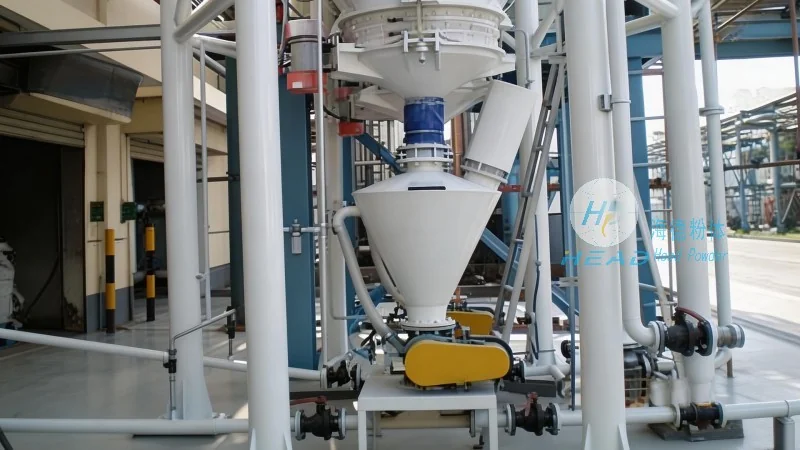
Proper maintenance is essential to ensure the long-term performance and reliability of an inorganic salt pneumatic conveyor. Regular cleaning of the pipeline and components is necessary to prevent the buildup of material residue, which can lead to clogging or reduced airflow. The blower or vacuum pump should be inspected periodically for wear and tear, and the air filter should be replaced as needed to maintain optimal airflow. Additionally, the system's controls, such as the feeder and gate valves, should be checked to ensure they operate smoothly and maintain consistent material flow rates. Proper training of operators is also crucial to handle any issues that may arise, such as blockages or pressure fluctuations. By following these maintenance practices, the system can operate efficiently and minimize downtime, ensuring consistent material handling performance.
Inorganic salt pneumatic conveyors are sophisticated systems designed to efficiently and reliably transport inorganic salts and similar bulk materials. Their design is based on principles that optimize material flow, minimize contamination, and maximize energy efficiency. By understanding the key components, design principles, and operational considerations, industries can leverage these systems to enhance their material handling processes. As a leading manufacturer in this field, Shandong HeadPowder Engineering Co., Ltd. (headpowder) specializes in designing and manufacturing high-quality pneumatic conveying systems tailored to the specific needs of various industries. With their expertise and commitment to quality, headpowder provides reliable solutions for material handling challenges, ensuring efficient and safe operation in diverse industrial applications.

 Shandong Headpowder Engineering Co., Ltd.
 156-6277-7102(Manager Zhang)
  0531-83386006
  Zhangqiu District, Jinan City, Shandong Province, China
telephone
WeChatconsult
top