With more than 10‑year industry experience, Shandong Headpowder delivers full‑service pneumatic‑conveying systems and blowers, undertaking nationwide turn‑key powder‑handling projects.
HeadPowder, a leading manufacturer based in Shandong, China, specializes in the design and production of advanced pneumatic conveying systems tailored for polyethylene materials. This article delves into the fundamental principles of these systems and highlights the key working scene characteristics that make them indispensable in modern industrial applications.
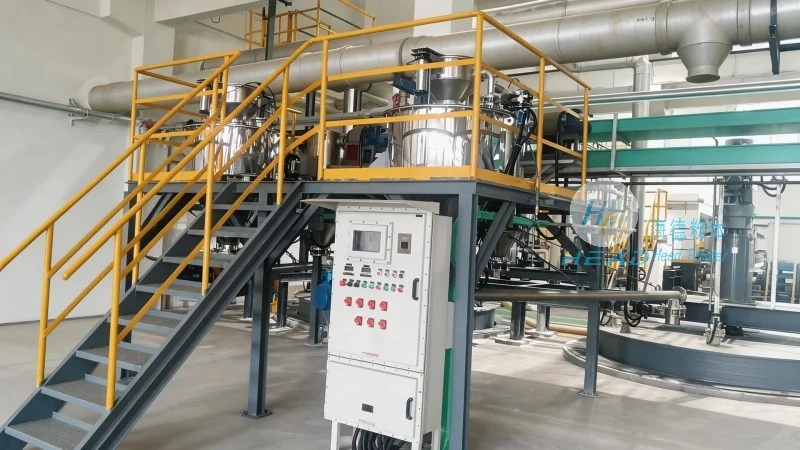
The fundamental principle of polyethylene pneumatic conveying equipment revolves around the use of air as the primary medium to transport polyethylene particles from one location to another. This technology, known as pneumatic conveying, operates by creating a pressure differential or using vacuum to move the material through a pipeline. The system typically consists of a hopper for material storage, a conveying line, and a receiver for the discharged material. The air flow, often generated by a blower or compressor, propels the polyethylene particles, ensuring efficient and continuous material transfer. This method is particularly effective for polyethylene due to its low density and the ability to handle fine or granular forms without the need for mechanical components that might cause wear or contamination.
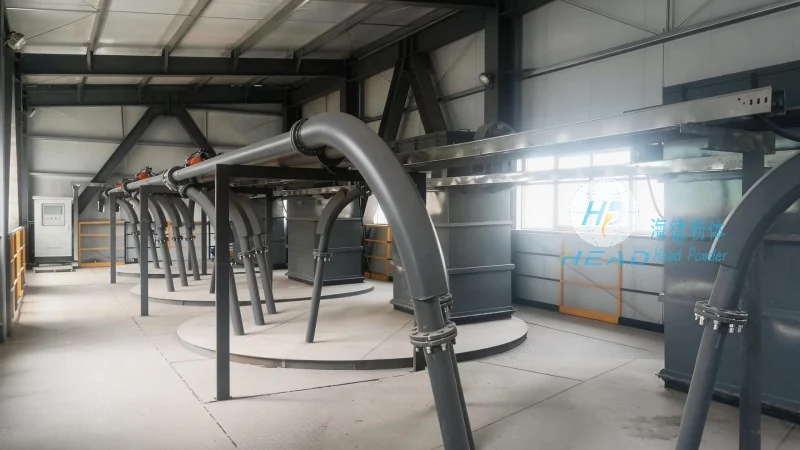
When evaluating the working scene characteristics of polyethylene pneumatic conveying equipment, several factors stand out as critical for industrial success. Firstly, the system's ability to handle polyethylene in various forms—such as pellets, powder, or flakes—makes it versatile for different production stages. The design accommodates the material's flow properties, ensuring minimal blockages and consistent throughput. Secondly, the equipment's scalability allows for integration into both small-scale and large-scale production lines, adapting to the varying demands of polyethylene processing facilities. Thirdly, the system's energy efficiency is a significant advantage, as it reduces operational costs compared to traditional mechanical conveying methods. Additionally, the hygienic design of the equipment, with smooth surfaces and easy-to-clean components, is essential for industries where material purity is paramount, such as food or pharmaceutical applications involving polyethylene.
Polyethylene pneumatic conveying systems are widely employed across various industrial sectors, each presenting unique challenges and requirements. In the plastics manufacturing industry, these systems are crucial for transporting raw polyethylene pellets from storage silos to extrusion lines, ensuring a steady supply of material for production. The automotive industry also benefits from such systems, as they efficiently convey polyethylene components to assembly lines, supporting the high-speed and precision demands of vehicle manufacturing. Furthermore, in the packaging sector, the equipment is used to move polyethylene films and sheets to printing and cutting stations, enhancing production line efficiency. The performance of these systems in these environments is characterized by reliability, low maintenance, and the ability to maintain material integrity, which are all critical for maintaining product quality and operational continuity.
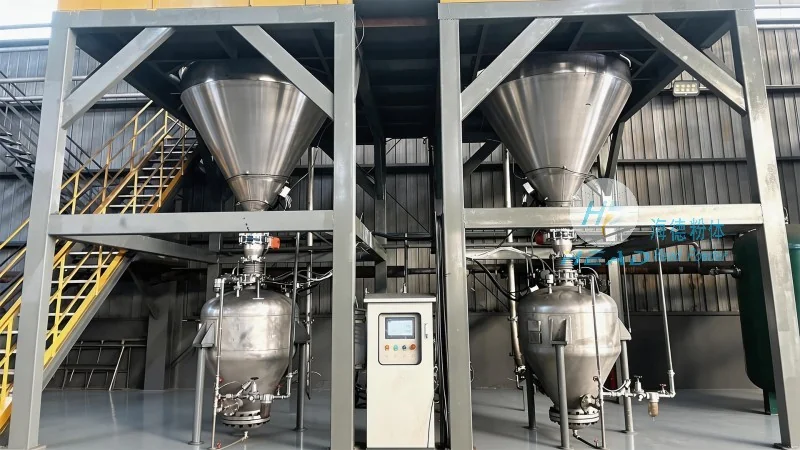
Implementing polyethylene pneumatic conveying equipment offers several advantages that make it a preferred choice for many industries. The primary benefit is the reduction in material handling time and labor costs, as the system automates the transfer process. Additionally, the system's ability to handle polyethylene in its native form minimizes the risk of material degradation or contamination, which is vital for maintaining product specifications. From a maintenance perspective, the equipment requires less frequent servicing compared to mechanical conveyors, as there are fewer moving parts that can wear out. However, considerations such as air quality and pressure management are essential to ensure optimal performance. Proper filtration of the air and monitoring of pressure levels are necessary to prevent material buildup or system inefficiencies. Overall, the advantages of polyethylene pneumatic conveying systems, when properly designed and maintained, outweigh the potential challenges, making them a reliable solution for polyethylene material handling.

 Shandong Headpowder Engineering Co., Ltd.
 156-6277-7102(Manager Zhang)
  0531-83386006
  Zhangqiu District, Jinan City, Shandong Province, China
telephone
WeChatconsult
top