With more than 10‑year industry experience, Shandong Headpowder delivers full‑service pneumatic‑conveying systems and blowers, undertaking nationwide turn‑key powder‑handling projects.
Glass-blasted beads, also known as expanded glass microspheres, are a lightweight, inorganic insulating material widely used in construction and industrial applications. The pneumatic conveying equipment designed for handling these beads is a critical component in modern material processing systems. This article explores the fundamental principles behind such equipment and highlights the key characteristics of its operational environments.
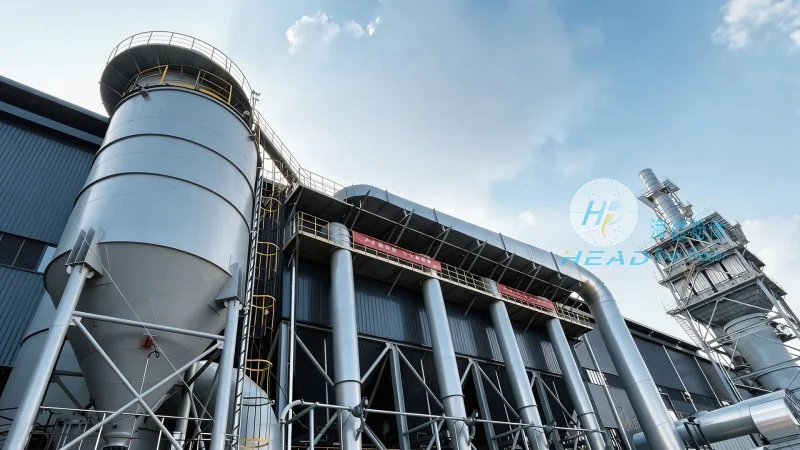
The pneumatic conveying system for glass-blasted beads operates on the principle of transporting particulate materials through a pipeline using compressed air or other gas streams. Unlike traditional mechanical conveyors, which rely on physical contact and friction to move materials, pneumatic systems utilize the kinetic energy of the gas to suspend and propel the beads. This method offers several advantages, including the ability to handle fine, dusty, or abrasive materials without causing wear or degradation. The system typically consists of a hopper, a feeder, a pipeline, and a receiver, with the compressed air source providing the necessary force to move the beads from the source to the destination.
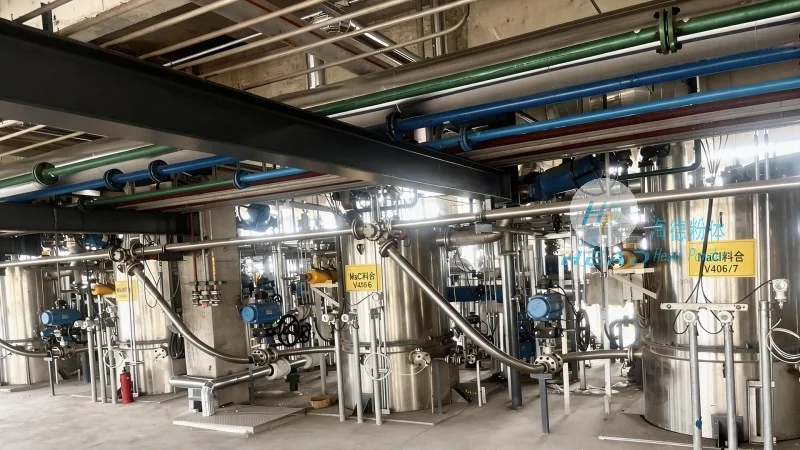
At the heart of the glass-blasted bead pneumatic conveying equipment are several critical components that work in tandem to ensure efficient and reliable operation. The hopper serves as the storage vessel, holding the beads until they are needed. The feeder, often a rotary valve or a vibratory feeder, controls the flow rate of the beads into the pipeline, preventing blockages and maintaining a consistent feed. The pipeline itself is usually made of stainless steel or other corrosion-resistant materials to withstand the abrasive nature of the beads and the effects of the compressed air. The compressed air system, including the blower or compressor, generates the pressure required to move the beads, while the receiver collects the material at the end of the conveying line. Each component is designed to minimize energy consumption and maximize material throughput, ensuring the system operates efficiently under various conditions.
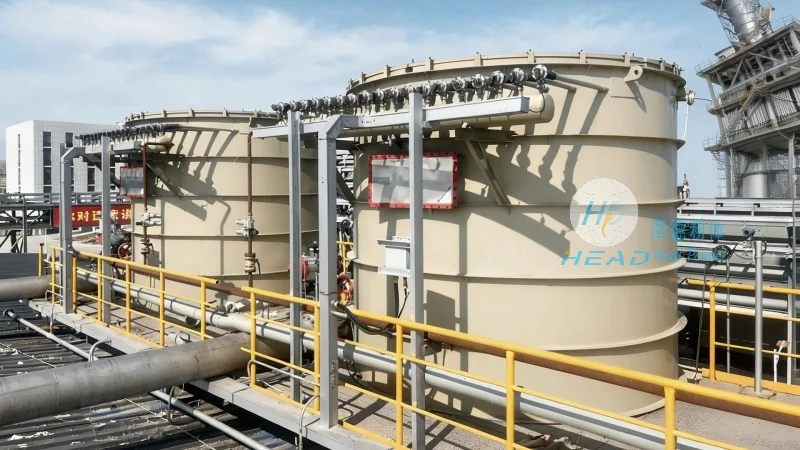
The operational environment of glass-blasted bead pneumatic conveying equipment varies significantly depending on the industry and the specific application. In construction, these systems are commonly used in the production of lightweight concrete, where the beads are mixed with cement and other aggregates to create insulating and lightweight building materials. The equipment must be capable of handling large volumes of beads at a consistent rate, often in a continuous production line. In industrial settings, such as foundries or manufacturing plants, the beads may be used as a filler material in composite products, requiring the system to transport them to mixing or molding stations. The working scene characteristics include high material flow rates, often ranging from several tons per hour to over 100 tons per hour, and the need for precise control over the conveying process to maintain product quality. Additionally, the equipment must be designed to handle the varying particle sizes and densities of the glass-blasted beads, which can affect the conveying efficiency and system performance.
Operating glass-blasted bead pneumatic conveying equipment presents both advantages and challenges in different working environments. One of the primary advantages is the ability to transport materials over long distances without the need for intermediate storage or handling. This is particularly beneficial in large-scale industrial facilities where materials need to be moved from one production area to another. Another advantage is the reduced risk of dust contamination compared to mechanical conveyors, as the beads are contained within the pipeline. However, the equipment also faces challenges such as the potential for material buildup in the pipeline, which can lead to blockages and system downtime. Additionally, the abrasive nature of the glass-blasted beads can cause wear on the internal components of the pipeline and the feeder, requiring regular maintenance and replacement of parts. The working scene characteristics, such as the ambient temperature and humidity, also play a role in the system's performance, as extreme conditions can affect the air flow and material handling efficiency.
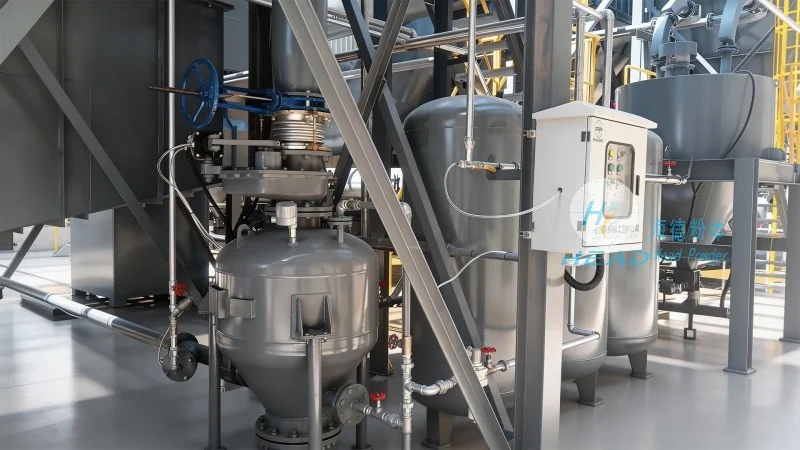
HeadPowder, or Shandong HeadPowder Engineering Co., Ltd., is a professional manufacturer specializing in the design, development, and production of pneumatic conveying equipment for various industrial applications. With a focus on quality and innovation, HeadPowder has established itself as a trusted partner in the construction and manufacturing industries. The company's facilities are located in Shandong, China, where it leverages advanced technology and skilled workforce to produce high-performance glass-blasted bead pneumatic conveying systems. HeadPowder's products are designed to meet the specific needs of clients, offering customizable solutions that enhance operational efficiency and reduce maintenance costs. The company's commitment to customer satisfaction and product excellence has made it a leading choice for businesses seeking reliable and efficient material handling solutions.

 Shandong Headpowder Engineering Co., Ltd.
 156-6277-7102(Manager Zhang)
  0531-83386006
  Zhangqiu District, Jinan City, Shandong Province, China
telephone
WeChatconsult
top