With more than 10‑year industry experience, Shandong Headpowder delivers full‑service pneumatic‑conveying systems and blowers, undertaking nationwide turn‑key powder‑handling projects.
HeadPowder, a leading manufacturer in the field of material handling solutions, specializes in the design, development, and production of advanced pneumatic conveying systems. Our company, Shandong HeadPowder Engineering Co., Ltd., is headquartered in Shandong, China, and has established a strong reputation for delivering high-quality equipment tailored to the needs of various industrial sectors. This article explores the fundamental principles behind polypropylene pellet pneumatic conveying equipment and highlights the key characteristics of its application scenarios.
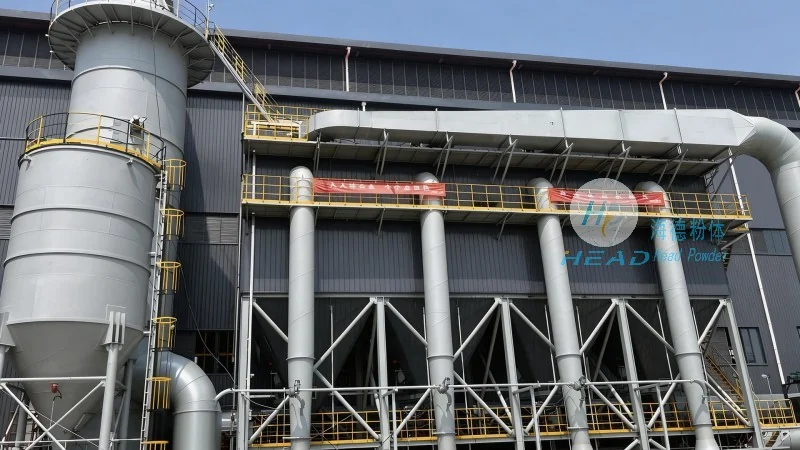
Pneumatic conveying, also known as air conveying, is a method of transporting bulk materials through a pipeline using a stream of air. In the case of polypropylene pellets, this technology efficiently moves the material from a source to a destination without the need for mechanical components like belts or screws. The core principle involves creating a pressure differential within the system, either by using a vacuum (negative pressure) or compressed air (positive pressure), to draw or push the pellets through the pipeline. This process minimizes material degradation, reduces contamination risks, and ensures a smooth, continuous flow, making it ideal for handling delicate or abrasive materials such as polypropylene pellets.
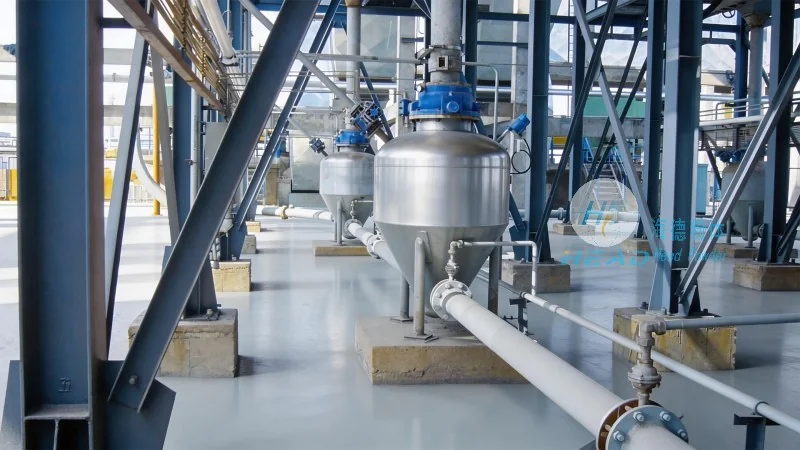
At the heart of a polypropylene pellet pneumatic conveying system are several critical components that work in tandem to ensure optimal performance. These include the material hopper, which stores and feeds the pellets; the conveyor line, typically made of stainless steel or other corrosion-resistant materials to prevent contamination; the air compressor or vacuum pump, which generates the necessary pressure or vacuum; and the control system, which regulates the flow rate and pressure to maintain consistent operation. Additionally, features such as cyclone separators and filters are often integrated to separate the conveyed material from the air stream, ensuring that the pellets are delivered in a clean and dry state. The design of these components is crucial for maximizing efficiency and minimizing downtime, especially when handling polypropylene pellets, which can be prone to static charge buildup and require careful handling to prevent agglomeration.
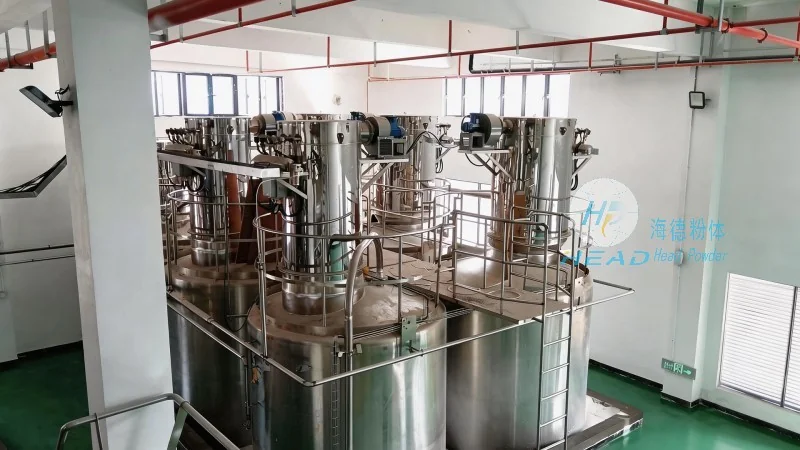
Polypropylene pellet pneumatic conveying equipment is widely used across various industrial applications, each with distinct characteristics that highlight its versatility. In the plastic manufacturing industry, for example, these systems are employed to transport raw polypropylene pellets from storage silos to extrusion lines, ensuring a steady supply of material for production. The benefits in this scenario include reduced labor costs, improved safety by eliminating manual handling, and enhanced product quality due to the minimized risk of contamination. In the chemical and pharmaceutical sectors, where material purity is paramount, pneumatic conveying systems are preferred over mechanical alternatives to prevent cross-contamination and maintain sterile conditions. The ability to handle fine powders and pellets with precision makes this technology suitable for applications in these industries as well.
The working scene characteristics of polypropylene pellet pneumatic conveying equipment extend beyond specific industries to include various operational environments. For instance, in facilities with limited space or complex layouts, the flexibility of pneumatic conveying systems allows for the integration of conveying lines around existing equipment or infrastructure, reducing the need for extensive reconfiguration. This is particularly advantageous in retrofitting older plants to improve material handling efficiency. Additionally, the system's ability to handle vertical and horizontal transport simultaneously makes it suitable for multi-level production facilities, where materials need to be moved between different floors or levels. The environmental benefits of pneumatic conveying, such as reduced dust emissions compared to other methods, are also a key characteristic, making it a preferred choice for facilities aiming to meet environmental regulations and improve workplace safety.
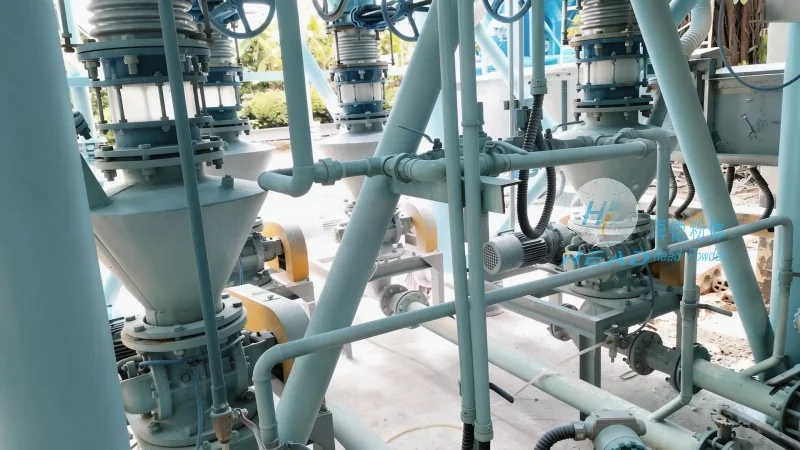
As a company based in Shandong, China, HeadPowder Engineering Co., Ltd. leverages its expertise in pneumatic conveying technology to provide customized solutions for the transportation of polypropylene pellets. By understanding the unique principles and working scene characteristics of these systems, we ensure that our equipment meets the specific needs of our clients, whether in plastic manufacturing, chemical processing, or other industries. Our commitment to quality, reliability, and innovation has positioned us as a trusted partner in the material handling industry, delivering systems that enhance operational efficiency, reduce costs, and improve product quality. With a focus on the principles of pneumatic conveying and the diverse applications of polypropylene pellet handling, HeadPowder continues to lead the way in providing advanced material transport solutions.

 Shandong Headpowder Engineering Co., Ltd.
 156-6277-7102(Manager Zhang)
  0531-83386006
  Zhangqiu District, Jinan City, Shandong Province, China
telephone
WeChatconsult
top