With more than 10‑year industry experience, Shandong Headpowder delivers full‑service pneumatic‑conveying systems and blowers, undertaking nationwide turn‑key powder‑handling projects.
Understanding the working principle and characteristics of pneumatic conveying systems is crucial for industries handling wet sodium nitrate materials. This article provides an in-depth look at how these systems operate and the key attributes that make them effective for such applications.
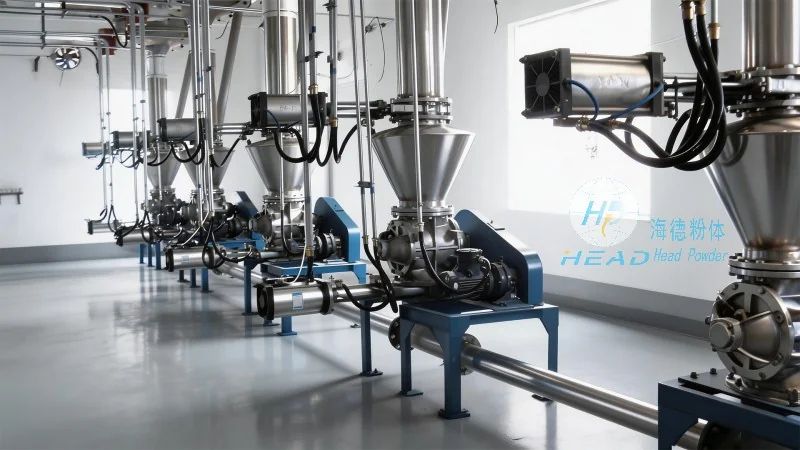
Pneumatic conveying for wet sodium nitrate materials relies on the principle of transporting bulk materials through a pipeline using a moving air stream. The system typically consists of a blower or compressor that generates the necessary air pressure to move the material. As the air flows through the pipeline, it entrains the wet sodium nitrate particles, creating a slurry-like mixture that travels from the source to the destination. The process involves several key components, including the feeding mechanism, the conveying line, and the discharge equipment. The feeding system ensures that the wet sodium nitrate is introduced into the air stream at a controlled rate, preventing blockages and maintaining consistent flow. The conveying line is designed with appropriate diameter and length to accommodate the material's properties, such as moisture content and particle size. The discharge equipment, often a rotary valve or a venturi, separates the material from the air and deposits it at the desired location. The entire system operates under positive pressure, which helps to maintain the integrity of the material and prevent contamination from external sources.
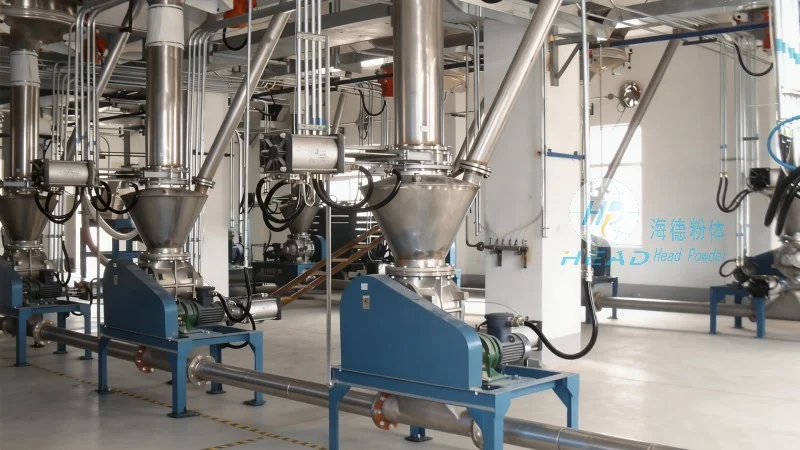
The characteristics of pneumatic conveying systems for wet sodium nitrate materials are tailored to address the unique challenges posed by this substance. One of the primary advantages is the ability to handle materials with high moisture content without the need for pre-drying. This is achieved through the use of high-velocity air streams that effectively lift and transport the wet particles. Another key characteristic is the system's efficiency in terms of space utilization. Unlike traditional mechanical conveyors, pneumatic systems can transport materials over long distances with minimal infrastructure requirements. The continuous operation of the system ensures a steady flow of material, which is essential for maintaining production schedules. Additionally, the lack of moving parts in the conveying line reduces maintenance costs and extends the system's lifespan. The system also offers flexibility in terms of layout, as the pipeline can be installed in various configurations to suit the plant's layout. This adaptability makes it suitable for both new installations and retrofitting existing facilities. Furthermore, the positive pressure operation helps to prevent dust emissions and maintain a clean working environment, which is critical for safety and regulatory compliance.
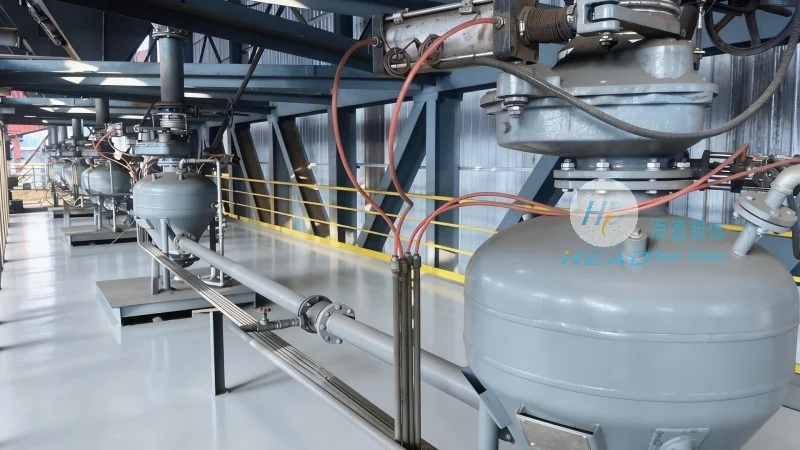
Shandong HeadPowder Engineering Co., Ltd., operating under the brand name headpowder, is a leading manufacturer of pneumatic conveying systems tailored for industrial applications. With a focus on innovation and quality, the company has developed specialized solutions for handling wet sodium nitrate and other challenging materials. HeadPowder's expertise lies in designing systems that optimize material flow, minimize energy consumption, and ensure reliable operation. The company's products are engineered to meet the specific requirements of the chemical and fertilizer industries, where the handling of sodium nitrate is common. HeadPowder's commitment to customer satisfaction is reflected in its comprehensive after-sales support and technical assistance. By leveraging advanced engineering and manufacturing capabilities, the company provides tailored solutions that enhance operational efficiency and reduce downtime for its clients. The company's facilities are located in Shandong, China, where it maintains a strong presence in the regional industrial market.

 Shandong Headpowder Engineering Co., Ltd.
 156-6277-7102(Manager Zhang)
  0531-83386006
  Zhangqiu District, Jinan City, Shandong Province, China
telephone
WeChatconsult
top