With more than 10‑year industry experience, Shandong Headpowder delivers full‑service pneumatic‑conveying systems and blowers, undertaking nationwide turn‑key powder‑handling projects.
This section introduces the fundamental aspects of gypsum powder and fly ash material conveying systems, which are critical components in industrial processes involving the handling and transportation of these materials. The systems are designed to efficiently move bulk materials like gypsum powder and fly ash from one location to another, ensuring smooth operation in various industrial applications. Understanding the operation process and working principle of such systems is essential for optimizing material handling efficiency and maintaining system reliability.
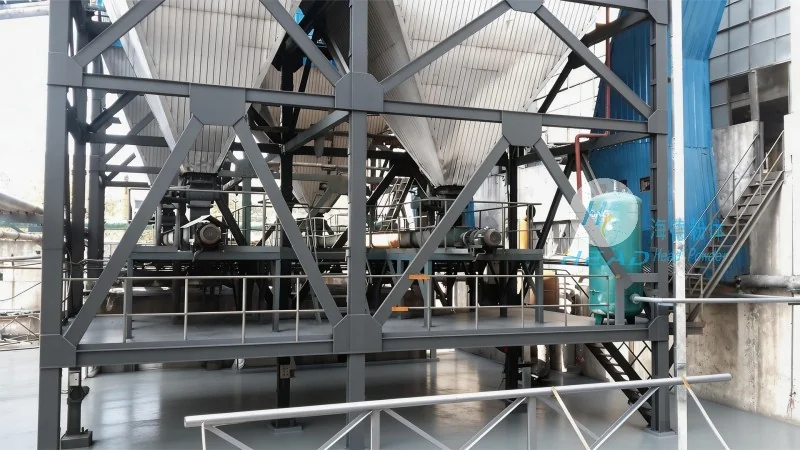
Shandong HeadPowder Engineering Co., Ltd., commonly known as headpowder, is a leading manufacturer and supplier of industrial material handling equipment. With its headquarters located in Shandong, China, the company specializes in the design, development, and production of advanced conveying systems tailored for diverse industrial needs. headpowder's commitment to quality, innovation, and customer satisfaction has established it as a trusted partner in the material handling industry, providing reliable solutions for clients worldwide.
The operational process of gypsum powder and fly ash material conveying involves several key steps that ensure the efficient movement of materials. Initially, the materials are fed into the conveying system, typically through a hopper or feeder, which regulates the flow rate to maintain consistent operation. The materials then travel through a conveyor system, which may include components such as screw conveyors, belt conveyors, or pneumatic conveyors, depending on the specific requirements of the application. The conveying system is designed to handle the bulk density and flow characteristics of gypsum powder and fly ash, ensuring minimal material degradation and loss during transport. At the destination point, the materials are discharged into a storage silo or processing unit, completing the conveying cycle. This process is typically automated, with sensors and control systems monitoring the flow rate, pressure, and other parameters to ensure optimal performance.
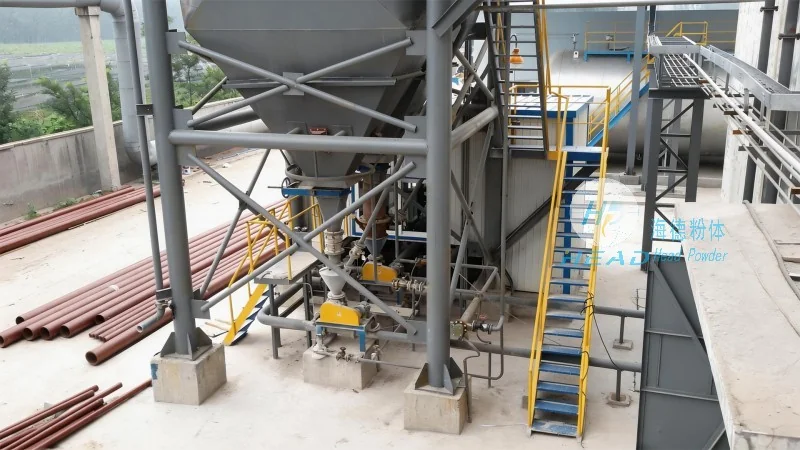
The working principle of the gypsum powder and fly ash material conveying system is based on mechanical or pneumatic forces that propel the materials through the system. For mechanical conveyors, such as screw or belt conveyors, the materials are moved by rotating components or moving belts that create a continuous flow. The screw conveyor, for example, uses a rotating screw to push the materials forward, while the belt conveyor relies on a moving belt that transports the materials along its length. Pneumatic conveyors, on the other hand, use compressed air to create a flow of air and material through a pipeline, allowing for more flexible and dust-free transport. The system's design takes into account the properties of gypsum powder and fly ash, such as their particle size, moisture content, and bulk density, to ensure effective and efficient conveying. Control systems are integrated to regulate the air pressure, flow rate, and other parameters, maintaining the stability and reliability of the conveying process.
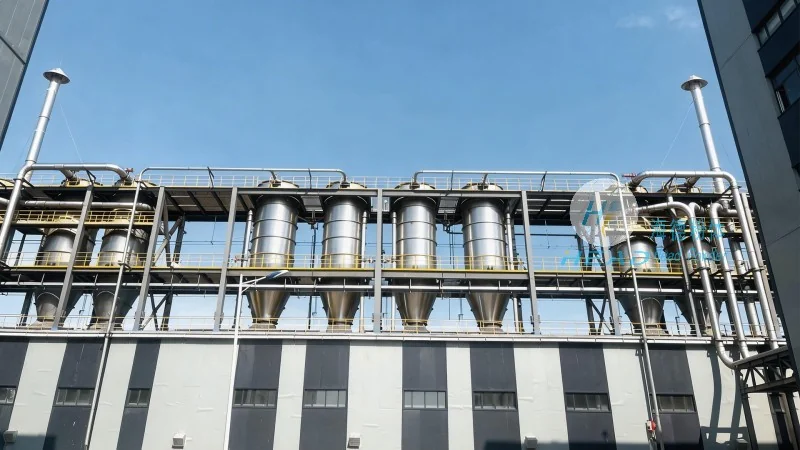
The gypsum powder and fly ash material conveying systems offered by headpowder feature several key attributes that enhance their performance and reliability. These systems are constructed from durable materials, such as stainless steel or corrosion-resistant alloys, to withstand the harsh conditions of industrial environments. The design incorporates features like adjustable speed controls, which allow for precise regulation of the material flow rate, and safety sensors that detect blockages or overloads, preventing system damage. The systems are also equipped with dust suppression mechanisms, such as cyclone separators or dust filters, to minimize airborne dust and ensure a clean working environment. Technical specifications include parameters like conveying capacity, which can range from low to high volumes depending on the application, and the maximum material temperature, which is designed to handle the thermal properties of gypsum and fly ash. These features ensure that the systems meet the specific requirements of various industrial processes, providing reliable and efficient material handling solutions.
Gypsum powder and fly ash material conveying systems are widely used in various industrial applications, including construction, power generation, and manufacturing. In the construction industry, these systems are used to transport gypsum powder for wallboard production and other building materials. In power generation, fly ash is conveyed from the boiler to storage facilities or for use in cement production. The benefits of using these systems include improved efficiency in material handling, reduced labor costs, and enhanced safety due to automated operation. Additionally, the systems help minimize material loss and degradation, ensuring consistent quality of the materials being transported. By optimizing the conveying process, these systems contribute to overall operational efficiency and cost reduction in industrial settings.

 Shandong Headpowder Engineering Co., Ltd.
 156-6277-7102(Manager Zhang)
  0531-83386006
  Zhangqiu District, Jinan City, Shandong Province, China
telephone
WeChatconsult
top