With more than 10‑year industry experience, Shandong Headpowder delivers full‑service pneumatic‑conveying systems and blowers, undertaking nationwide turn‑key powder‑handling projects.
Understanding the operation process and working principle of rare earth crystal powder material conveying systems is crucial for optimizing industrial efficiency and ensuring safe material handling. This article provides a detailed overview of the key components, mechanisms, and operational steps involved in these systems, tailored for professionals in the material handling and processing industries.
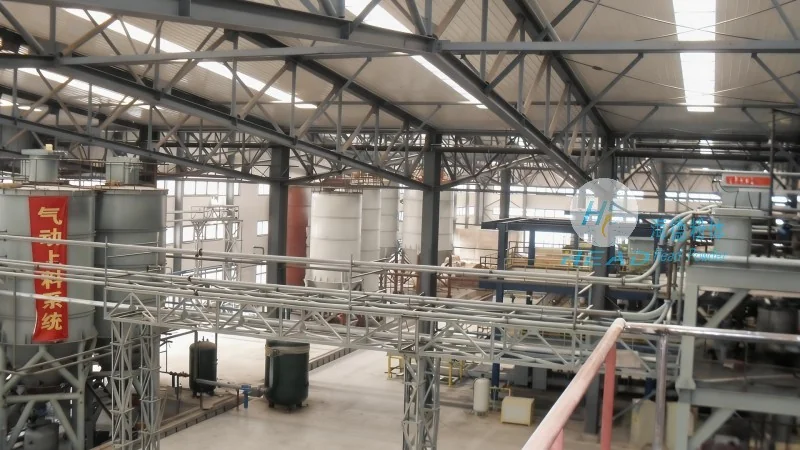
Rare earth crystal powders, such as neodymium, praseodymium, and cerium oxides, are critical raw materials in various high-tech applications, including electronics, magnets, and catalysts. Efficient and reliable conveying of these powders is essential to maintain product quality, minimize material loss, and enhance production throughput. The systems designed for handling these fine powders must address unique challenges like dust control, material flow uniformity, and equipment durability.
The rare earth crystal powder conveying system typically consists of several integrated components that work in tandem to transport the material from the source to the destination. These components include feeders, conveyors, control systems, and dust collection units. Each component plays a vital role in ensuring smooth operation and optimal performance.
The operation of the rare earth crystal powder conveying system follows a systematic sequence of steps, each designed to facilitate the movement of the material while maintaining its integrity and preventing contamination. The process begins with the material being fed into the system, usually through a hopper or bulk container. The feeder then regulates the flow rate, ensuring a consistent and controlled discharge of the powder into the conveyor.

Next, the conveyor system, which may be a screw conveyor, pneumatic conveyor, or belt conveyor, transports the powder along the designated path. The choice of conveyor type depends on factors such as material characteristics, distance, and required speed. For rare earth crystal powders, screw conveyors are commonly used due to their ability to handle fine powders without causing excessive friction or degradation.
During the conveying process, the system incorporates mechanisms to maintain material flow and prevent blockages. This includes features like variable speed drives, which adjust the conveyor speed based on the material load, and vibration systems that help break up any agglomerates or clumps. Additionally, the system may include level sensors and pressure sensors to monitor the material level in the hopper and the pressure within the conveyor, providing real-time feedback for operational adjustments.
Advanced control systems are integral to the efficient operation of rare earth crystal powder conveying systems. These systems use sensors and automation technology to monitor key parameters such as flow rate, pressure, temperature, and material level. The data collected is processed and analyzed to ensure the system operates within optimal parameters, minimizing downtime and maximizing productivity.
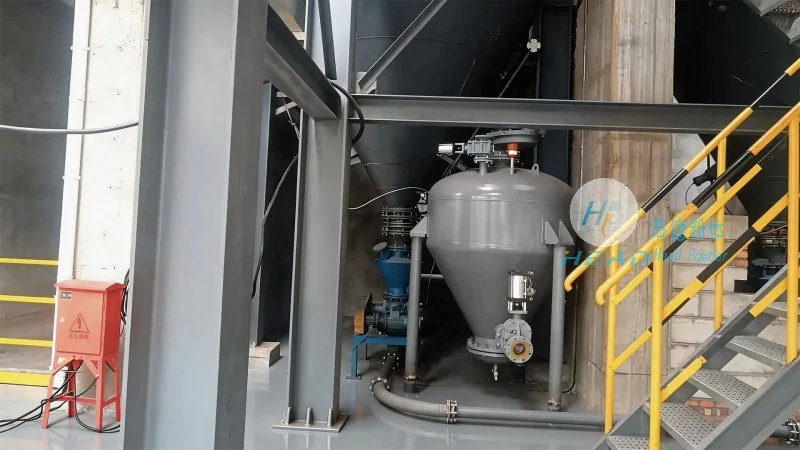
The control panel, often equipped with a user-friendly interface, allows operators to adjust settings, monitor system status, and receive alerts in case of anomalies. This level of automation not only enhances operational efficiency but also improves safety by reducing the risk of human error and exposure to dust or hazardous materials.
Handling rare earth crystal powders requires special attention to safety and material integrity. The conveying system is designed with features to minimize dust generation and ensure proper ventilation. Dust collection systems, such as baghouse filters or cartridge filters, are integrated to capture and remove airborne particles, protecting both the environment and personnel.

Furthermore, the system incorporates safety measures like emergency stop buttons, interlocks, and lockout/tagout procedures to prevent accidents and ensure compliance with industrial safety standards. The materials used in the construction of the conveying equipment, such as stainless steel or corrosion-resistant alloys, are selected to withstand the chemical properties of the rare earth powders and resist wear and tear over time.
The efficient conveying of rare earth crystal powders has a significant impact on various industries that rely on these materials. From the manufacturing of permanent magnets for electric vehicles and wind turbines to the production of catalysts for petroleum refining, the performance of the conveying system directly affects the quality and consistency of the final products.
By optimizing the operation of rare earth crystal powder conveying systems, companies can achieve higher production rates, reduce material waste, and improve overall operational costs. The technology and expertise provided by companies like Shandong HeadPowder Engineering Co., Ltd. play a crucial role in advancing these systems and meeting the growing demand for rare earth materials in modern industries.

 Shandong Headpowder Engineering Co., Ltd.
 156-6277-7102(Manager Zhang)
  0531-83386006
  Zhangqiu District, Jinan City, Shandong Province, China
telephone
WeChatconsult
top