Carbon black powder material handling systems are critical components in industrial settings, particularly for the efficient and safe transportation of carbon black, a key additive used in various industries such as rubber, plastics, and coatings. Understanding the operation process and working principles of these systems is essential for optimizing performance, ensuring safety, and maintaining product quality. This article provides a detailed overview of the key aspects of carbon black powder material handling systems, including their components, operational procedures, and the underlying principles that govern their functionality.
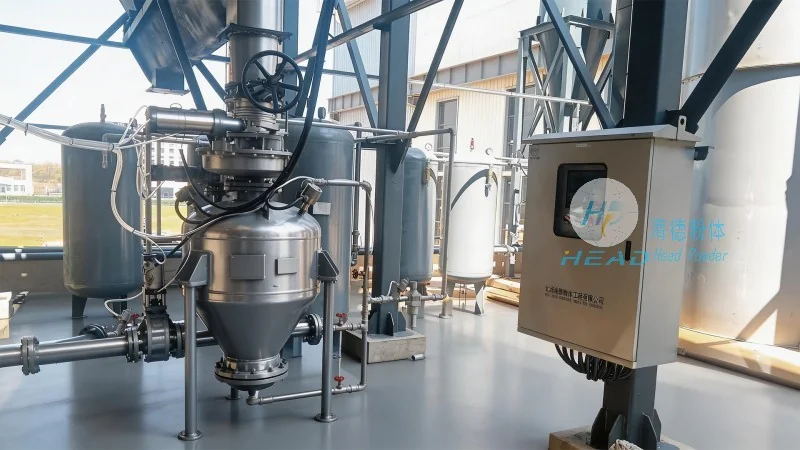
Overview of Carbon Black Powder Material Handling Systems
Carbon black powder material handling systems are engineered to handle the unique properties of carbon black, which includes its fine particle size, high density, and tendency to create dust and static electricity. These systems are designed to transport carbon black from storage silos or bulk containers to processing equipment, such as mixers, extruders, or reactors. The primary goal is to achieve a reliable, continuous, and safe flow of material while minimizing the risk of dust explosions, material degradation, or operational disruptions.
Key Components of the Material Handling System
The carbon black powder material handling system typically consists of several interconnected components that work in tandem to ensure smooth operation. These components include:
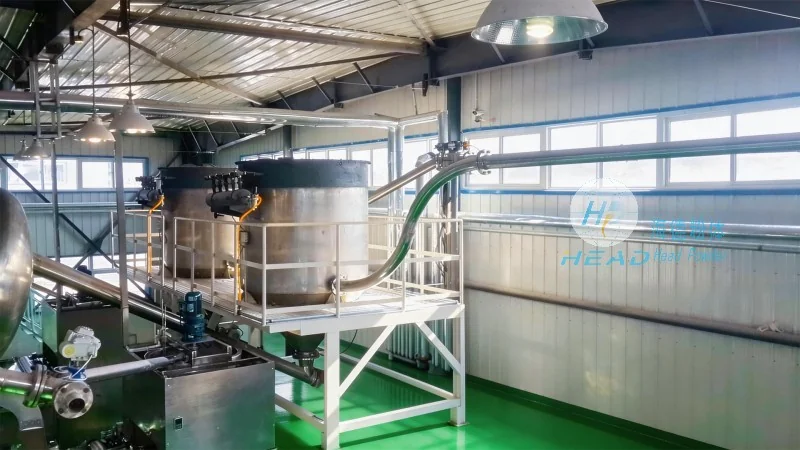
- Storage Silos or Bulk Containers: These are used to store large quantities of carbon black powder. They are often equipped with dust collection systems and grounding mechanisms to prevent static buildup.
- Pneumatic Conveying Systems: This is the most common method for transporting carbon black powder, utilizing air pressure to move the material through a network of pipes. Pneumatic systems can be classified as pressure or vacuum systems, depending on the direction of air flow.
- Feeders and Metering Devices: These components regulate the flow rate of carbon black from the storage silo to the conveying system. Proper metering is crucial to maintain consistent material flow and prevent overloading or underloading of the system.
- Conveying Pipelines: The pipelines are made of materials resistant to carbon black, such as stainless steel or special coatings, to prevent corrosion and material buildup. They are also equipped with explosion-proof valves and check valves to ensure safe operation.
- Receiving Hoppers or Mixers: The carbon black is discharged into a receiving hopper or directly into a processing mixer. The hopper may include a dust collection system to capture any airborne particles and prevent contamination.
Operation Process of the Carbon Black Powder Material Handling System
The operation process of a carbon black powder material handling system involves several sequential steps, each designed to ensure the efficient and safe transfer of material. The process typically begins with the preparation of the system and the loading of carbon black into the storage silo.
- System Preparation and Loading: The storage silo is first cleaned and inspected to ensure it is free of debris or contaminants. Carbon black powder is then loaded into the silo, often using a bulk loading system or a hopper truck. The silo is equipped with a dust collection system that continuously removes any airborne particles, maintaining a clean environment.
- Material Metering and Conveying: Once the silo is loaded, the feeder device regulates the flow rate of carbon black. The material is then conveyed through the pneumatic system using compressed air. The air pressure is carefully controlled to ensure the material is transported at a consistent speed without causing blockages or excessive pressure buildup.
- Material Discharge and Processing: The carbon black is discharged from the conveying system into a receiving hopper or directly into a processing mixer. The hopper may include a level sensor to monitor the material level and trigger the feeder to maintain a consistent flow. The mixer then incorporates the carbon black into the base material, such as rubber or plastic, according to the required formulation.
- System Monitoring and Maintenance: Throughout the operation, the system is monitored for pressure, flow rate, and temperature. Regular maintenance is performed to ensure all components are functioning correctly. This includes cleaning the pipelines, checking the condition of the feeder and metering devices, and inspecting the dust collection system for any signs of wear or damage.
Working Principles of the Carbon Black Powder Material Handling System
The working principles of a carbon black powder material handling system are based on the fundamental principles of fluid dynamics and material handling. The primary principle is the use of pneumatic conveying, which relies on the movement of air to transport the solid material. The system operates by creating a pressure differential between the storage silo and the receiving hopper, causing the carbon black to be drawn into the conveying pipeline.
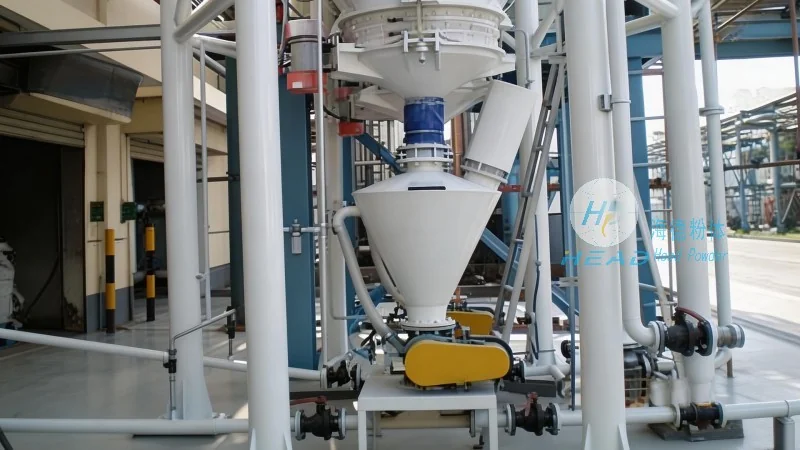
Key working principles include:
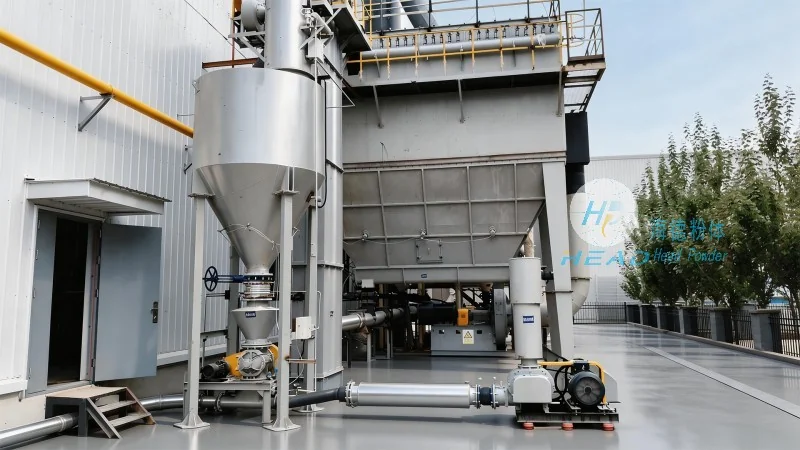
- Pneumatic Conveying Mechanics: In a pressure pneumatic system, compressed air is introduced into the storage silo, pushing the carbon black through the pipeline to the receiving hopper. The air flow is controlled to maintain a consistent velocity, ensuring the material is transported without segregation or agglomeration.
- Static Electricity Control: Carbon black is a conductive material, but its fine particles can generate static electricity during handling. The system includes grounding and bonding mechanisms to dissipate static charges, preventing dust explosions and ensuring safe operation.
- Material Flow Control: The feeder and metering devices regulate the flow rate of carbon black to maintain a consistent pressure and flow in the conveying system. This prevents overloading or underloading, which can lead to system inefficiencies or damage.
- Dust Collection and Safety: The system incorporates dust collection systems to capture any airborne particles, preventing contamination of the environment and ensuring compliance with safety regulations. Explosion-proof designs are also implemented to prevent the risk of dust explosions.
Importance of Proper System Design and Maintenance
Proper design and regular maintenance of the carbon black powder material handling system are critical to ensure optimal performance, safety, and longevity. A well-designed system will consider the specific properties of carbon black, such as its particle size, density, and flow characteristics, to ensure efficient and safe operation. Regular maintenance, including cleaning, inspection, and replacement of worn components, is essential to prevent system failures and maintain product quality.
Companies specializing in material handling systems, such as Shandong HeadPowder Engineering Co., Ltd., provide comprehensive solutions that include system design, installation, and maintenance services. Their expertise in handling carbon black and other fine powders ensures that the systems are optimized for performance and safety, meeting the specific needs of industrial applications.

 Shandong Headpowder Engineering Co., Ltd.
 156-6277-7102(Manager Zhang)
  0531-83386006
  Zhangqiu District, Jinan City, Shandong Province, China