With more than 10‑year industry experience, Shandong Headpowder delivers full‑service pneumatic‑conveying systems and blowers, undertaking nationwide turn‑key powder‑handling projects.
HeadPowder, a leading enterprise in the field of anode material processing, specializes in the design, manufacturing, and implementation of efficient material handling systems for lithium battery anode production. This article provides a detailed overview of the operational process and working principles of anode material material handling, highlighting the key components and mechanisms that ensure smooth and reliable material flow in battery manufacturing facilities.
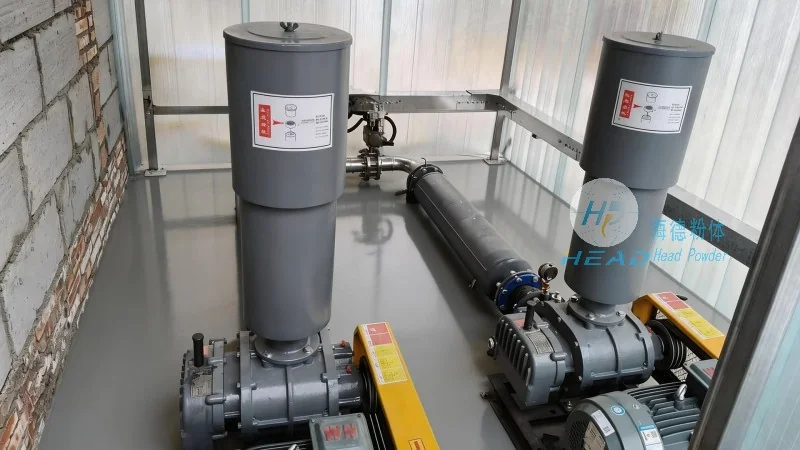
HeadPowder, or Shandong HeadPowder Engineering Co., Ltd., is headquartered in Shandong, China. The company has established itself as a trusted provider of advanced material handling solutions tailored for the lithium battery industry. With a focus on innovation and precision, HeadPowder delivers systems that enhance productivity, reduce operational costs, and ensure compliance with industry standards in anode material processing.
Anode material material handling refers to the systematic process of transporting, storing, and managing raw materials and intermediate products used in the production of lithium battery anodes. This process is critical to the overall efficiency of battery manufacturing, as it directly impacts the speed and quality of production. The handling system typically involves various equipment such as conveyors, feeders, storage silos, and automated control systems that work in tandem to ensure seamless material flow from raw material reception to the final anode production stage.
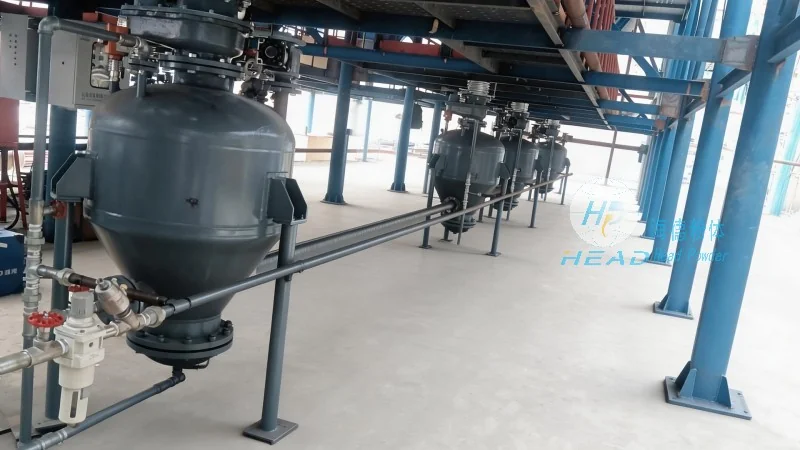
The material handling system for anode materials typically consists of several interconnected components that work together to achieve optimal performance. These components include:
The working principle of anode material material handling is based on a combination of mechanical, pneumatic, and automated control systems. The process begins with the reception of raw materials, which are then stored in silos or bulk containers. From there, the materials are fed into the processing line through precision feeders, which regulate the flow rate based on real-time production demands. The materials are then conveyed to the mixing and processing equipment, where they undergo blending and further treatment. The processed materials are subsequently transported to the production lines for electrode formation. Throughout the entire process, automated control systems monitor key parameters such as material flow rate, temperature, and pressure, ensuring that the process operates within optimal conditions. This closed-loop control system enhances process stability and reduces the risk of material defects or production bottlenecks.
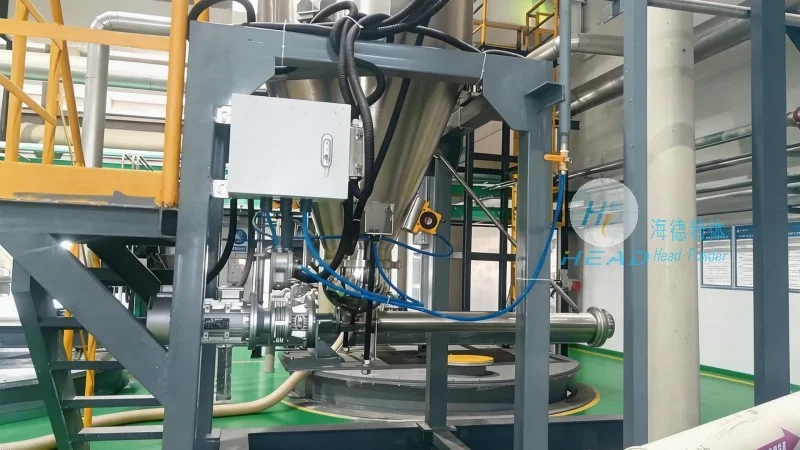
Efficient anode material handling offers several key benefits for battery manufacturers. Firstly, it improves production efficiency by ensuring a continuous and uninterrupted flow of materials, reducing downtime and increasing output. Secondly, it enhances material quality by maintaining consistent material properties and minimizing contamination. Thirdly, it reduces operational costs by optimizing material usage and minimizing waste. Additionally, automated material handling systems improve workplace safety by reducing manual handling of heavy or hazardous materials. HeadPowder's material handling solutions are designed to deliver these benefits while adhering to industry standards and regulatory requirements.
In conclusion, the operation process and working principle of anode material material handling are critical to the success of lithium battery manufacturing. By leveraging advanced material handling systems, manufacturers can enhance productivity, improve product quality, and reduce costs. Shandong HeadPowder Engineering Co., Ltd. provides comprehensive material handling solutions tailored to the specific needs of anode material processing, ensuring that clients achieve optimal performance and competitive advantage in the battery industry.

 Shandong Headpowder Engineering Co., Ltd.
 156-6277-7102(Manager Zhang)
  0531-83386006
  Zhangqiu District, Jinan City, Shandong Province, China
telephone
WeChatconsult
top