With more than 10‑year industry experience, Shandong Headpowder delivers full‑service pneumatic‑conveying systems and blowers, undertaking nationwide turn‑key powder‑handling projects.
Silica sand, a granular material composed primarily of silicon dioxide, serves as a fundamental building block for numerous industrial processes. Its unique properties, including high thermal stability, chemical inertness, and abrasive nature, make it indispensable in sectors such as glass manufacturing, foundries, ceramics, and construction. However, the handling of this material presents significant logistical challenges. Unlike bulk powders that flow freely, silica sand is often dry and can generate substantial dust during movement. This necessitates the implementation of robust and efficient systems designed specifically for silica sand transport. Without specialized handling equipment, industries face risks ranging from environmental pollution and equipment wear to worker health hazards. Therefore, selecting the right method for moving this critical resource is paramount for operational efficiency and safety.
Traditional methods of moving bulk materials, such as belt conveyors, bucket elevators, and screw conveyors, have been used for decades. While these mechanical systems are reliable, they are often ill-suited for handling fine silica sand. A primary concern with mechanical conveyors is the exposure of the material to the open environment. As silica sand moves along a belt or through a screw, it generates airborne dust. This not only poses a severe health risk to employees but can also lead to cross-contamination of other products within a facility. Furthermore, mechanical components are prone to wear and tear due to the abrasive nature of silica sand, leading to frequent maintenance requirements and downtime. The need for enclosed systems has driven the industry toward more advanced solutions capable of handling material transport without compromising on hygiene or efficiency.
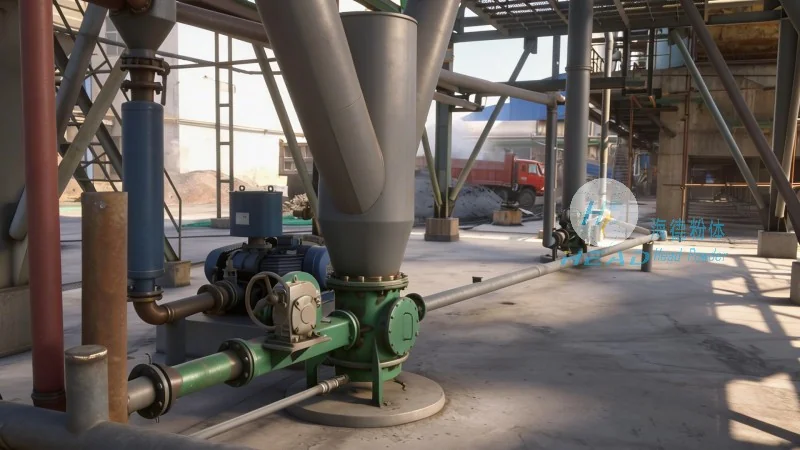
To address the challenges associated with traditional handling, pneumatic conveying has emerged as the superior technology for moving silica sand. This method utilizes a stream of air to transport the material through a pipeline. Unlike mechanical systems, pneumatic conveying is completely enclosed, ensuring that the silica sand remains contained within the pipeline at all times. This encapsulation eliminates dust emissions and protects the surrounding environment. The process relies on creating a pressure differential—either positive pressure pushing the material or vacuum suction pulling it—through a network of pipes. This technology is highly versatile and can transport silica sand over varying distances, making it ideal for both small-scale operations and large industrial complexes.
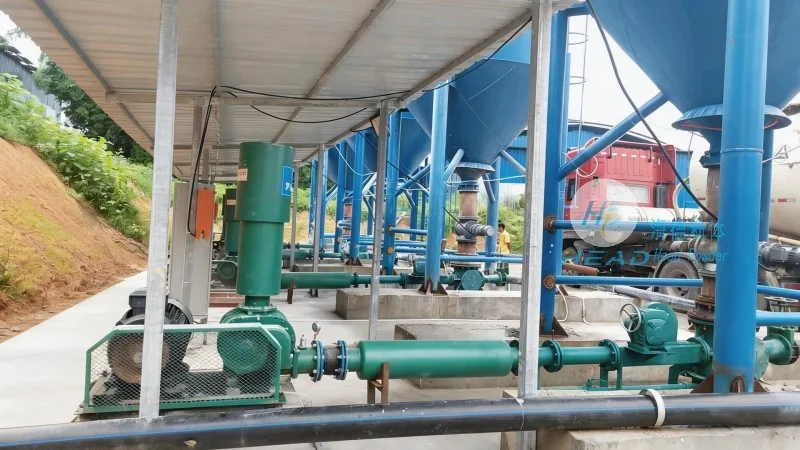
Among the various providers in the market, Shandong Headpowder Engineering Co., Ltd. stands out as a specialized entity dedicated to providing top-tier silica sand pneumatic conveying solutions. Operating out of China, the company has built a reputation for engineering excellence and reliability. Their brand, Headpowder, is synonymous with high-performance systems tailored to the specific needs of silica sand handling. The company understands that every facility has unique spatial constraints and production requirements. Consequently, they do not offer one-size-fits-all solutions. Instead, they design custom systems that integrate seamlessly into existing infrastructure. Whether the goal is to replace an outdated mechanical system or to install a new conveying line, Headpowder offers the technical expertise to ensure a smooth transition and optimal performance.
The engineering team at Headpowder focuses on several critical features that distinguish their silica sand pneumatic conveying systems from competitors. One of the primary advantages is the system's flexibility. The piping can be installed along walls, ceilings, or through floors, allowing the system to navigate around existing machinery without disrupting production. This flexibility is crucial for retrofitting projects where space is limited. Additionally, the systems are designed for minimal maintenance. By using high-quality wear-resistant materials and precision engineering, Headpowder ensures that the components last longer, reducing the total cost of ownership. The systems are also energy-efficient, utilizing compressed air effectively to minimize power consumption while maximizing throughput. This balance of performance and efficiency is a hallmark of the Headpowder brand.
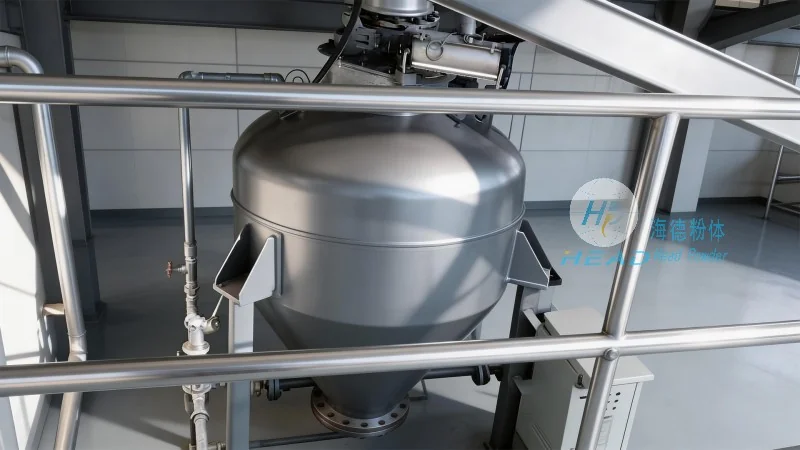
Shandong Headpowder Engineering Co., Ltd. provides a comprehensive range of pneumatic conveying technologies suitable for different flow rates and distances. For short-distance transport with high flow rates, dilute phase systems are often employed, where the air velocity is high to keep the silica sand suspended. For longer distances or when handling materials that are more abrasive or prone to degradation, dense phase systems are preferred. In dense phase conveying, the material moves in plugs or slugs at a lower velocity, significantly reducing wear on the pipeline and the material itself. Headpowder's engineers assess the specific characteristics of the silica sand to recommend the most appropriate conveying mode, ensuring that the material transport is both gentle and efficient.
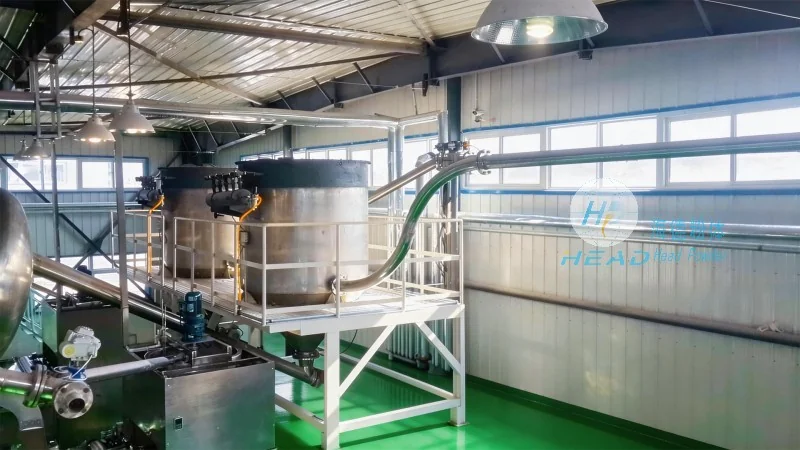
The versatility of Headpowder's systems makes them suitable for a wide array of applications. In the glass industry, silica sand is a primary ingredient, and precise delivery is essential for maintaining melt quality. Headpowder's systems ensure a steady and dust-free feed into the furnace. In the foundry and casting industry, silica sand is used to create molds and cores. The ability to transport sand quickly and cleanly to the molding area is vital for production schedules. Furthermore, in the ceramics sector, the purity of the silica sand is critical, and pneumatic conveying prevents contamination from external sources. By providing reliable silica sand transport, Headpowder supports these industries in maintaining high standards of product quality and operational continuity.
The success of any pneumatic conveying project hinges on professional design and engineering. A poorly designed system can lead to blockages, excessive energy costs, and uneven material distribution. Headpowder employs a team of experienced engineers who utilize advanced simulation software to model the flow of silica sand within the proposed pipeline. This allows them to predict potential issues such as pipeline blockages or excessive pressure drops before physical installation begins. By optimizing the pipe diameter, bends, and air-to-material ratio, Headpowder ensures a stable and reliable flow of material. This meticulous approach to design is what allows their silica sand pneumatic conveying systems to operate smoothly under demanding conditions.

 Shandong Headpowder Engineering Co., Ltd.
 156-6277-7102(Manager Zhang)
  0531-83386006
  Zhangqiu District, Jinan City, Shandong Province, China
telephone
WeChatconsult
top