With more than 10‑year industry experience, Shandong Headpowder delivers full‑service pneumatic‑conveying systems and blowers, undertaking nationwide turn‑key powder‑handling projects.
Handling dry sand efficiently is a critical challenge in many industrial sectors, including casting, ceramics, cement, and construction materials. The process of moving large volumes of granular material requires specialized equipment to ensure safety, reduce dust pollution, and maintain operational continuity. Dry sand conveying systems have become the standard solution for these industries, offering a clean and reliable method to transfer materials from storage to processing points. Unlike traditional mechanical conveyors, pneumatic systems use air pressure to move materials through pipelines, eliminating the need for open hoppers and significantly reducing dust emissions.
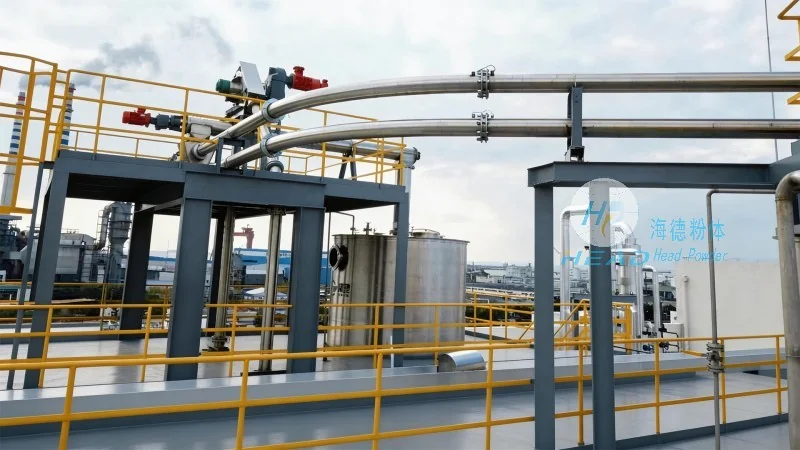
When selecting a system for material handling, understanding the specific mechanisms involved is essential. A well-designed system not only improves productivity but also prolongs the lifespan of equipment by minimizing wear and tear. This article explores the various methods of dry sand conveying and highlights how professional engineering solutions can optimize your operations.
There are several distinct approaches to dry sand conveying, each with its own set of advantages depending on the distance, volume, and specific requirements of the project. The two primary categories are positive pressure systems and negative pressure systems, with dense phase technology offering a middle ground for specific applications.
Positive pressure conveying is one of the most widely used methods in dry sand pneumatic conveying. In this system, a compressor or blower generates high-pressure air that pushes the dry sand through the pipeline toward the discharge point. This method is particularly effective for long-distance transport, often capable of moving materials several kilometers through a network of pipes.
The advantage of positive pressure lies in its ability to handle high flow rates and maintain a consistent velocity. However, it requires robust seals at the discharge points to prevent air leaks and ensure that the material reaches its destination efficiently. Engineers must carefully calculate the air-to-material ratio to ensure the sand is fluidized without causing excessive erosion on the pipeline walls.
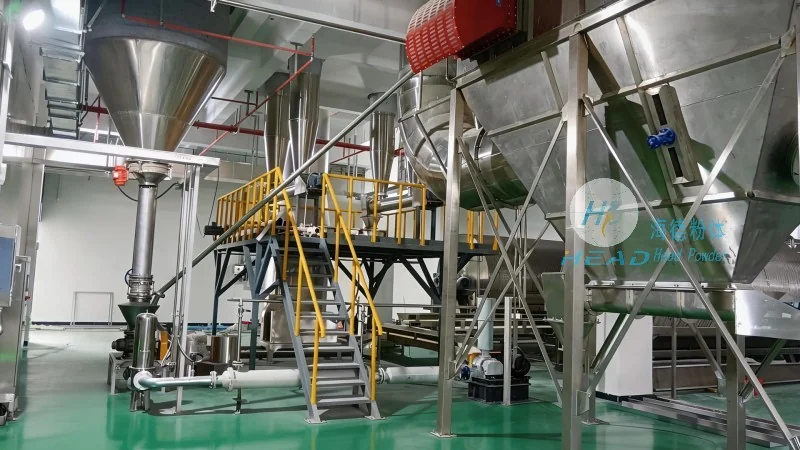
Conversely, negative pressure conveying, also known as suction conveying, uses a vacuum source to pull the dry sand into the pipeline. This method is often preferred when materials need to be collected from multiple points and transported to a single location. Because the system is under suction, it naturally prevents dust from escaping into the environment, making it an excellent choice for maintaining air quality.
Negative pressure systems are generally easier to start up and are safer to operate in terms of dust control. However, they are typically limited in terms of the distance they can transport material compared to positive pressure systems. For facilities requiring a central collection point for scattered dry sand, this method provides a streamlined solution for dry sand conveying.
For applications where the distance is moderate and the preservation of material integrity is crucial, dense phase conveying is often the optimal choice. Unlike dilute phase systems, which rely on high-velocity air to carry the material, dense phase systems use low-velocity, high-pressure air to push the material in plugs or slugs.
This method significantly reduces the velocity of the sand, which in turn minimizes wear on the pipes and the material itself. It is ideal for fragile products or when the pipeline layout is complex with many bends. By optimizing the pressure and the air-to-material ratio, dense phase dry sand pneumatic conveying achieves high efficiency with low energy consumption.
Implementing an effective dry sand conveying system requires more than just buying a compressor; it demands engineering expertise. Shandong Headpowder Engineering Co., Ltd. is a specialized company dedicated to providing high-quality solutions for material handling. Located in Shandong, China, the company has built a reputation for reliability and innovation in the field of industrial transport.
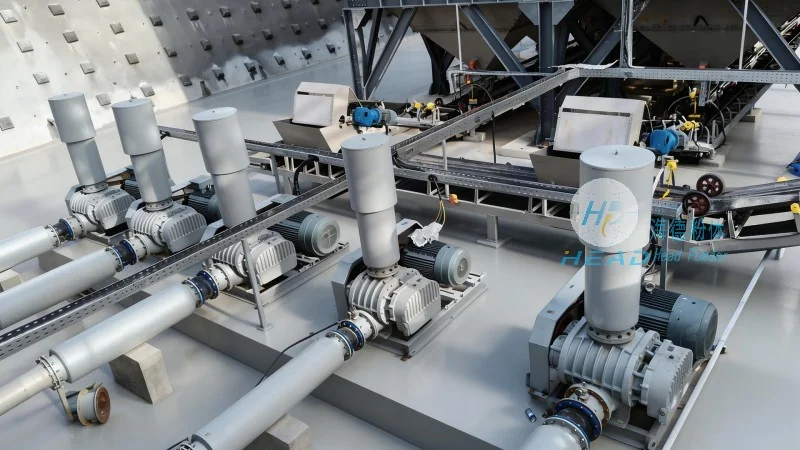
Headpowder focuses on the development of advanced dry sand pneumatic conveying systems that are tailored to the specific needs of the client. Whether the requirement is for a simple batch transport or a complex continuous process, their team of engineers designs systems that maximize efficiency and minimize operational costs. By utilizing state-of-the-art technology in material conveying, Headpowder ensures that clients receive systems that are durable, easy to maintain, and environmentally friendly.
The versatility of dry sand conveying systems makes them suitable for a wide range of industrial applications. In the foundry industry, they are used to transport sand to molds and remove spent sand from the production line. In the ceramic industry, they facilitate the precise movement of raw materials. Furthermore, in the construction sector, they assist in the bulk handling of cement and other powders.
Choosing the right partner for these systems is vital. Shandong Headpowder Engineering Co., Ltd. provides comprehensive support, from initial design and installation to after-sales service. Their expertise in dry sand conveying ensures that every project meets the highest standards of safety and performance.
For businesses looking to upgrade their material handling capabilities, Shandong Headpowder Engineering Co., Ltd. offers the expertise and equipment needed to succeed. The company is committed to delivering superior dry sand pneumatic conveying solutions that drive industrial efficiency. To discuss your specific requirements or to request a consultation regarding your next material conveying project, please contact the company directly. You may reach out to the management team, specifically Manager Zhang, for detailed information and support.

 Shandong Headpowder Engineering Co., Ltd.
 156-6277-7102(Manager Zhang)
  0531-83386006
  Zhangqiu District, Jinan City, Shandong Province, China
telephone
WeChatconsult
top