With more than 10‑year industry experience, Shandong Headpowder delivers full‑service pneumatic‑conveying systems and blowers, undertaking nationwide turn‑key powder‑handling projects.
Understanding the operation process and working principle of dry ash material conveying lines is crucial for optimizing industrial processes in power plants and other facilities that handle large volumes of ash. These systems are designed to efficiently transport dry ash from its source to disposal or utilization sites, ensuring safety, efficiency, and compliance with environmental regulations. The following sections provide a detailed overview of how these systems function, covering key components, operational steps, and the underlying principles that enable their effective performance.
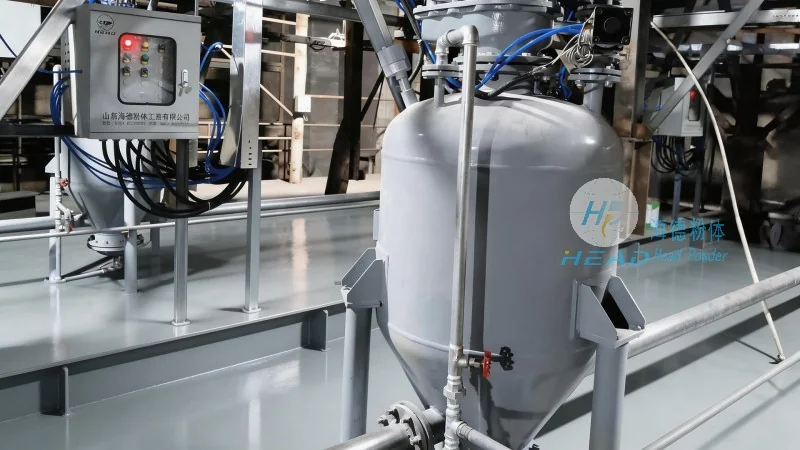
Dry ash material conveying lines are specialized systems used in the handling and transportation of dry ash, typically generated from coal-fired power plants or other industrial processes. The primary goal of these systems is to move ash from the point of generation to storage, disposal, or recycling facilities with minimal dust generation and maximum operational efficiency. The design of these lines often incorporates dust control measures, such as sealed conveyors and air filtration systems, to ensure environmental safety and worker health. As a leading provider in the field, Shandong HeadPowder Engineering Co., Ltd. specializes in the design, manufacturing, and installation of high-quality dry ash conveying systems tailored to meet the specific needs of industrial clients.
The effectiveness of dry ash material conveying lines relies on a combination of essential components that work in harmony to achieve reliable operation. These components include feeders, conveyors (such as belt conveyors or pneumatic systems), dust collection units, and control systems. Feeders are responsible for uniformly feeding dry ash into the conveyor system, ensuring consistent material flow. Conveyors, which may be mechanical (e.g., belt conveyors) or pneumatic (air-based), transport the ash through the system. Dust collection systems are critical for capturing and filtering airborne particles, preventing contamination and maintaining air quality. Control systems monitor and regulate the operation of all components, ensuring smooth and safe operation. Each component is carefully selected and integrated to create a cohesive system that meets the specific requirements of the application.
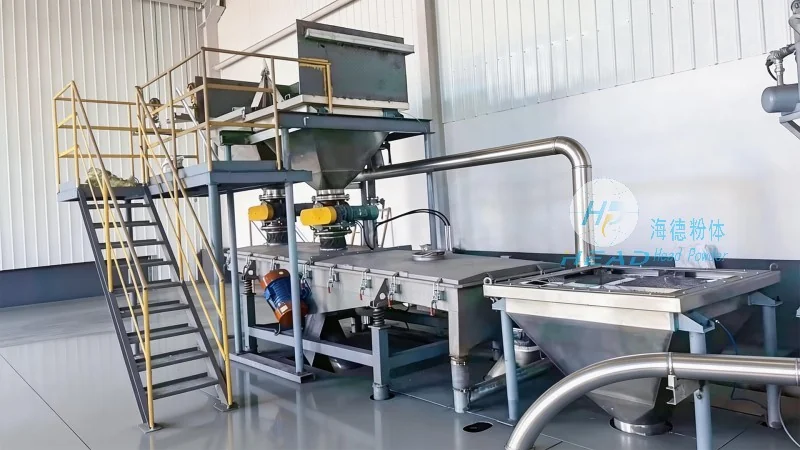
The operation process of dry ash material conveying lines involves several sequential steps that ensure efficient and safe material transport. The process typically begins with the ash being collected from the source, such as a boiler or ash hopper. The ash is then fed into a feeder, which distributes it evenly into the conveyor system. The conveyor transports the ash through the line, moving it from the source to the discharge point. During this process, dust control measures are actively engaged to minimize airborne particles. The ash is then discharged into a storage or disposal container. The entire operation is monitored by control systems, which adjust parameters as needed to maintain optimal performance. This sequential process ensures that dry ash is transported efficiently while maintaining environmental standards and operational safety.
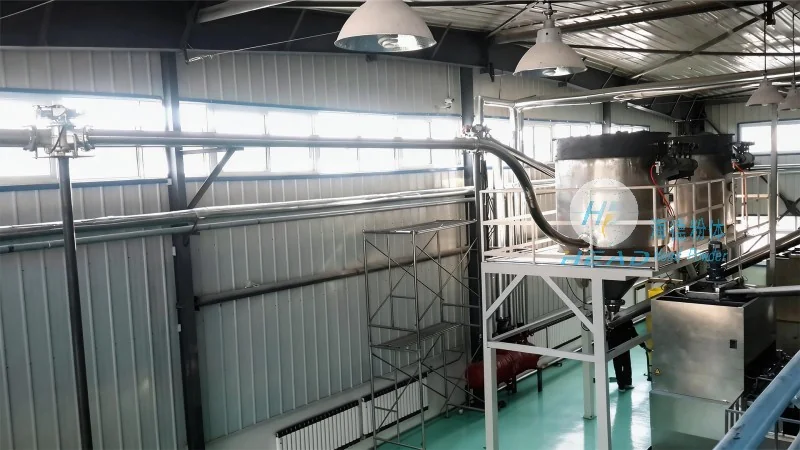
The working principle of dry ash material conveying lines is based on the principles of mechanical or pneumatic transport, depending on the system design. Mechanical conveyors, such as belt conveyors, use a continuous belt to move the ash along the line. The belt is driven by a motor, and the ash is carried by the belt's movement. The speed and tension of the belt are carefully controlled to ensure consistent material flow. Pneumatic systems, on the other hand, use air pressure to transport the ash through a pipeline. The ash is mixed with air and propelled through the system by fans or blowers. The air pressure and flow rate are adjusted to maintain the desired transport speed and efficiency. Both mechanical and pneumatic systems rely on the principle of continuous flow to move the ash from the source to the destination. The design of the system, including the slope and length of the conveyor, is optimized to minimize energy consumption and maximize efficiency. The working principle also incorporates dust control mechanisms, such as sealed enclosures and filtration systems, to ensure that the operation is environmentally friendly and safe for personnel.
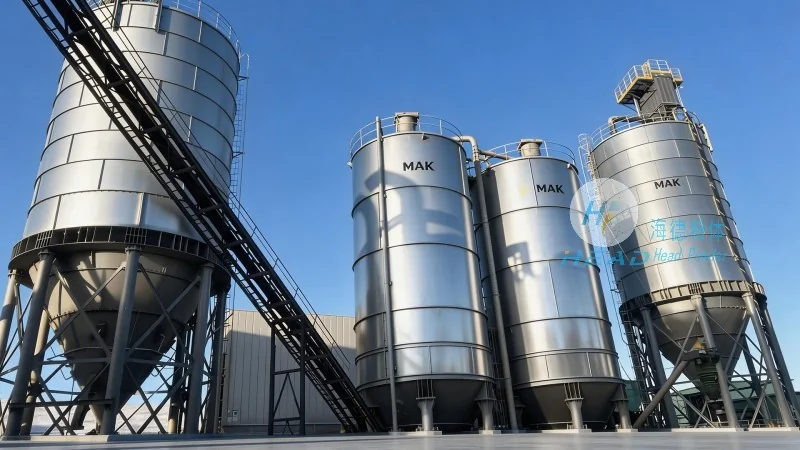
Proper maintenance and operation of dry ash material conveying lines are essential for ensuring long-term reliability and efficiency. Regular maintenance, including inspections of components, lubrication of moving parts, and cleaning of dust collection systems, helps prevent breakdowns and extends the lifespan of the equipment. Operational procedures, such as starting and stopping the system in the correct sequence, and monitoring for abnormal conditions, are critical for maintaining safe and efficient operation. Training personnel on the proper use and maintenance of the conveying system is also essential to prevent accidents and ensure compliance with safety regulations. By following these practices, industrial facilities can maximize the performance of their dry ash conveying lines and minimize downtime.
Dry ash material conveying lines are critical components in industrial facilities that handle large volumes of ash. The operation process and working principle of these systems involve a combination of mechanical and pneumatic components, sequential operational steps, and effective dust control measures. Shandong HeadPowder Engineering Co., Ltd. specializes in providing high-quality dry ash conveying systems that meet the specific needs of industrial clients. By understanding the operation process and working principle of these systems, facilities can optimize their performance, ensure environmental compliance, and maintain operational safety. Proper maintenance and operation are essential for maximizing the lifespan and efficiency of dry ash conveying lines, making them a vital investment for industrial facilities.

 Shandong Headpowder Engineering Co., Ltd.
 156-6277-7102(Manager Zhang)
  0531-83386006
  Zhangqiu District, Jinan City, Shandong Province, China
telephone
WeChatconsult
top