

Working Principle and Features of Small Material Powder Conveyors
Understanding the operational mechanics and distinctive attributes of small material powder conveyors is crucial for industries dealing with fine powders and granular materials. These specialized equipment are designed to efficiently transport bulk materials with precision, ensuring minimal product loss and consistent flow rates. In this article, we delve into the core working principles and key features of such conveyors, highlighting their practical applications and benefits.
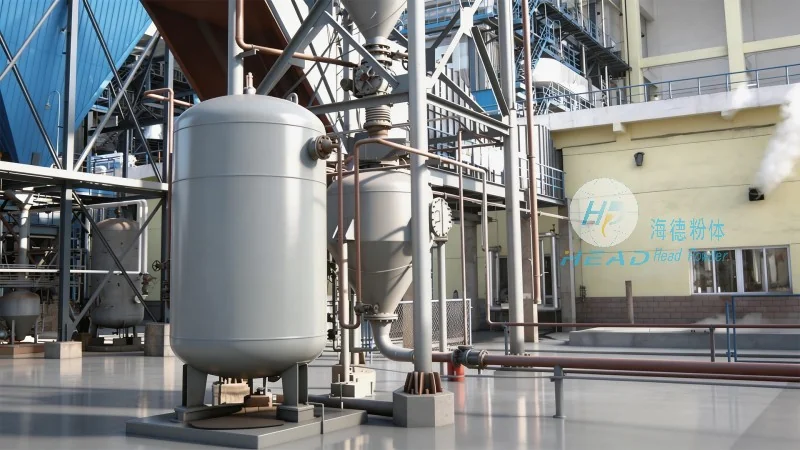
HeadPowder, a leading manufacturer based in Shandong, China, specializes in the design and production of advanced powder handling systems. The company’s expertise lies in developing conveyors that cater to the unique demands of various sectors, including pharmaceuticals, food processing, and chemical manufacturing. By integrating cutting-edge technology with robust engineering, HeadPowder ensures that their small material powder conveyors deliver reliable performance and durability.
The Working Principle of Small Material Powder Conveyors
At the heart of small material powder conveyors is a mechanism that facilitates the movement of powders from a source to a destination. The primary working principle involves the use of a rotating or oscillating component, such as a screw or a conveyor belt, which propels the material through a closed or semi-closed system. This design minimizes the risk of material spillage and contamination, making it ideal for applications where hygiene and product integrity are paramount.
One common type of small material powder conveyor is the screw conveyor, which utilizes a helical screw inside a cylindrical tube. As the screw rotates, it pushes the material forward, creating a continuous flow. The speed of rotation and the pitch of the screw can be adjusted to control the conveying rate, allowing for precise dosing and handling of different powder types. This mechanism is particularly effective for materials with varying bulk densities and flow characteristics.
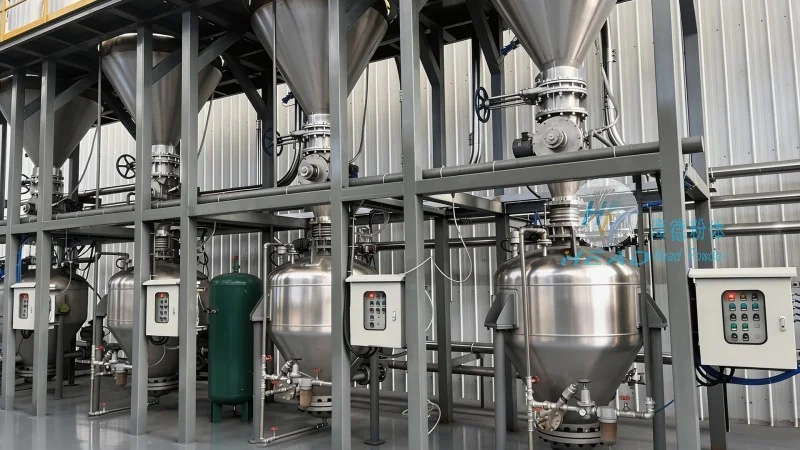
Another variant is the pneumatic conveyor, which employs air pressure to transport powders through a pipeline. This method is suitable for materials that are sensitive to mechanical stress or require a dust-free environment. The system typically consists of a hopper, a blower, and a discharge nozzle, where compressed air draws the powder into the pipeline and transports it to the target location. Pneumatic conveyors are known for their flexibility in handling a wide range of materials, from fine powders to coarse granules.
Key Features of Small Material Powder Conveyors
Small material powder conveyors from HeadPowder are equipped with several features that enhance their functionality and efficiency. One notable feature is the adjustable speed control, which allows operators to modulate the conveying rate based on the material's properties and processing requirements. This flexibility ensures optimal performance while preventing overloading or under-conveying.
Another critical feature is the material handling capacity, which varies depending on the conveyor's size and design. HeadPowder's conveyors are engineered to handle small to medium volumes of powders, making them suitable for both laboratory-scale and industrial applications. The compact design of these systems also makes them ideal for installations with limited space, as they can be easily integrated into existing production lines.
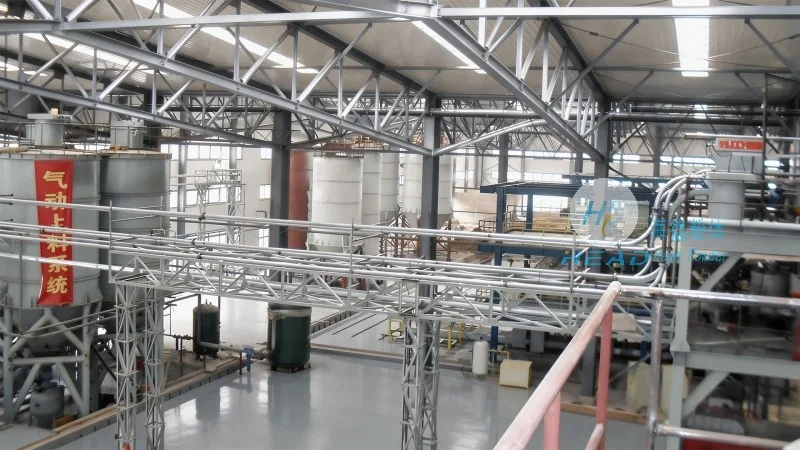
Sanitation and maintenance are also key considerations in the design of these conveyors. Many models feature easy-to-clean components, such as removable liners and smooth surfaces, which reduce the risk of product contamination and simplify cleaning procedures. Additionally, HeadPowder incorporates durable materials, such as stainless steel, to withstand the corrosive effects of certain powders and ensure long-term reliability.
Applications and Benefits
The versatility of small material powder conveyors makes them indispensable in various industries. In the pharmaceutical sector, these conveyors are used to transport active pharmaceutical ingredients (APIs) and excipients with high precision, ensuring compliance with stringent quality standards. The hygienic design and minimal product contact reduce the risk of cross-contamination, which is critical in drug manufacturing.
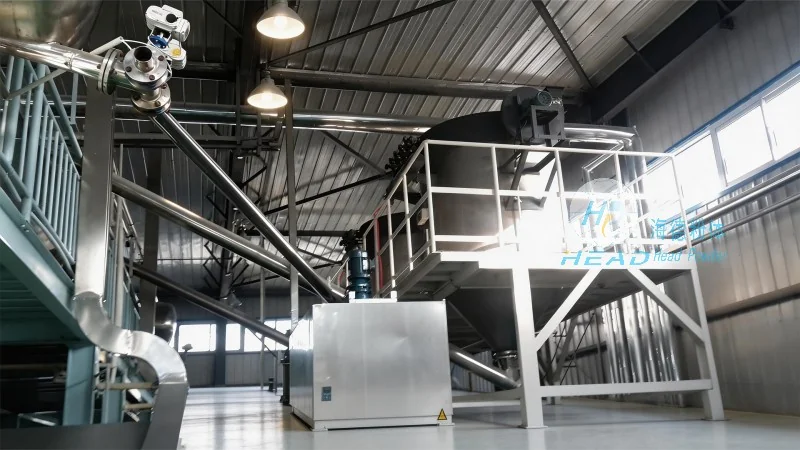
In the food processing industry, small material powder conveyors are employed to handle ingredients like flour, sugar, and spices. The gentle handling of these materials prevents degradation and maintains their quality, which is essential for consumer safety and product consistency. The ability to control the flow rate also allows for accurate dosing in food production lines.
In the chemical industry, these conveyors are used to transport raw materials and intermediates, such as powders and granules. The robust construction and corrosion-resistant materials make them suitable for handling aggressive chemicals, ensuring the longevity of the equipment and the safety of the operators.
Conclusion
Small material powder conveyors, as exemplified by the products from Shandong HeadPowder Engineering Co., Ltd., represent a sophisticated solution for efficient powder handling. By understanding their working principles and key features, industries can select the most appropriate equipment to meet their specific needs. The combination of advanced technology, robust design, and user-friendly features makes these conveyors a reliable choice for various applications, contributing to improved productivity and product quality.