

What is an Arsenic Trioxide Material Handling Conveyor? And What Are Its Design Principles?
For industries dealing with arsenic trioxide, the efficient and safe transportation of this hazardous material is paramount. This article explores the concept of an arsenic trioxide material handling conveyor and delves into the core design principles that ensure its functionality and safety. The information presented here is based on the expertise of Shandong HeadPowder Engineering Co., Ltd., a leading manufacturer in the field, with operations based in Shandong, China.
Understanding the Arsenic Trioxide Material Handling Conveyor
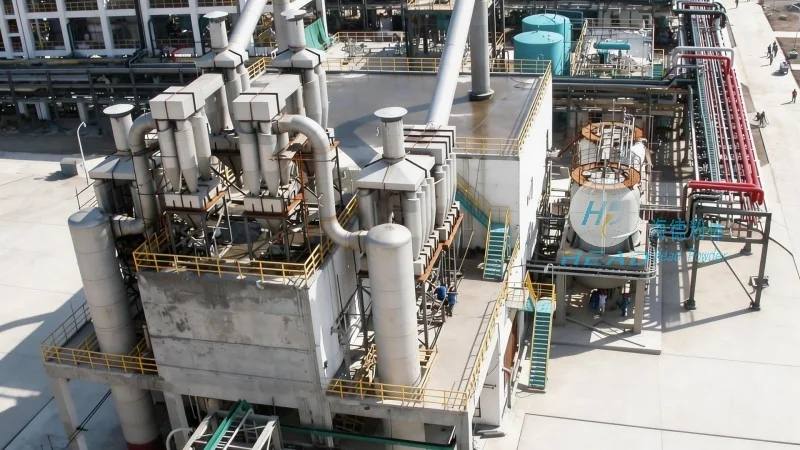
An arsenic trioxide material handling conveyor is a specialized system engineered to transport arsenic trioxide, a toxic and corrosive compound, from one point to another within industrial facilities. This equipment is critical in processes where arsenic trioxide is used or produced, as it ensures the material is moved safely and efficiently, minimizing exposure risks for workers and preventing contamination of the surrounding environment. The conveyor system is designed to handle the unique properties of arsenic trioxide, including its chemical reactivity and potential for dust generation, which require robust engineering solutions.
Key Design Principles for Arsenic Trioxide Conveyors
The design of an arsenic trioxide material handling conveyor is guided by several critical principles to ensure safety, durability, and operational efficiency. First, the system must be constructed from materials that are chemically resistant to arsenic trioxide and its byproducts. Common materials include stainless steel, special alloys, and corrosion-resistant coatings that can withstand the aggressive nature of the compound. This prevents material degradation and maintains the integrity of the conveyor over time.
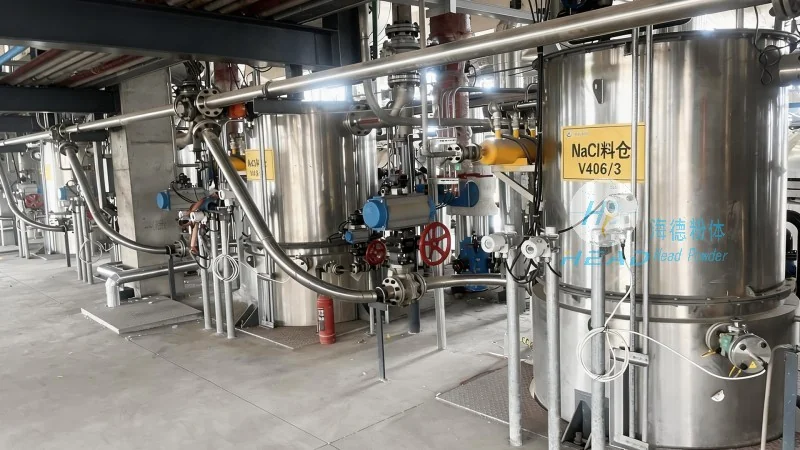
Second, the conveyor must incorporate effective dust control measures. Arsenic trioxide is a fine powder that can become airborne, posing inhalation hazards. The design includes sealed housing, dust collection systems, and proper ventilation to contain dust and prevent its release into the workplace. This is essential for compliance with occupational health and safety regulations and for protecting the health of personnel involved in the material handling process.
Third, the system is engineered for minimal material contact points and easy cleaning. The design minimizes the number of joints and crevices where arsenic trioxide can accumulate, as these areas can be difficult to clean and may pose contamination risks. Smooth surfaces and easy-to-disassemble components allow for thorough cleaning and maintenance, ensuring the conveyor remains hygienic and safe for operation. This approach also helps in preventing cross-contamination between batches of material.
Material Handling Considerations and Safety Protocols
In addition to the design principles, the operation of an arsenic trioxide conveyor involves strict safety protocols to mitigate risks. The system is typically equipped with interlocks and emergency stop mechanisms to prevent accidental activation when maintenance or loading is in progress. Personnel working with the conveyor are required to follow strict personal protective equipment (PPE) guidelines, including respirators, gloves, and protective clothing, to minimize exposure to the toxic material. Regular monitoring of the conveyor system for leaks, wear, or damage is also a critical part of the safety program, ensuring that any issues are addressed promptly to prevent accidents.
Customization and Application-Specific Solutions
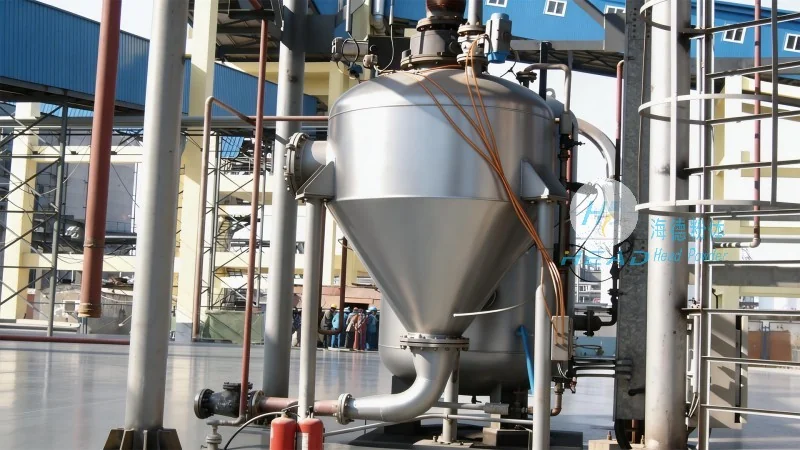
Shandong HeadPowder Engineering Co., Ltd. recognizes that each industrial application may have unique requirements for an arsenic trioxide material handling conveyor. Therefore, the company offers customized solutions tailored to specific processes, such as batch processing, continuous flow, or integration with other industrial equipment. The design team at HeadPowder works closely with clients to understand their operational needs, including the volume of material to be handled, the distance of transport, and the specific environmental conditions of the facility. This collaborative approach ensures that the final conveyor system is optimized for performance, safety, and cost-effectiveness, meeting the exact demands of the client's arsenic trioxide processing operations.
Conclusion: The Importance of Specialized Engineering
The arsenic trioxide material handling conveyor is a critical piece of equipment in industries that work with this hazardous compound. Its design, based on robust engineering principles, ensures that the material is transported safely and efficiently, protecting workers and the environment from the risks associated with arsenic trioxide. The expertise of companies like Shandong HeadPowder Engineering Co., Ltd. is essential in developing and implementing these specialized systems, as they combine technical knowledge with practical experience to deliver solutions that meet the highest standards of safety and performance. For any facility dealing with arsenic trioxide, investing in a well-designed material handling conveyor is not just a matter of operational efficiency but a fundamental requirement for maintaining a safe and compliant workplace.