With more than 10‑year industry experience, Shandong Headpowder delivers full‑service pneumatic‑conveying systems and blowers, undertaking nationwide turn‑key powder‑handling projects.
Cellulose material conveying is a critical process in various industrial and agricultural applications, involving the efficient transport of cellulose-based materials such as wood chips, paper pulp, and agricultural residues. Understanding the underlying principles and the specific characteristics of different working scenes is essential for optimizing material handling systems and ensuring operational efficiency.
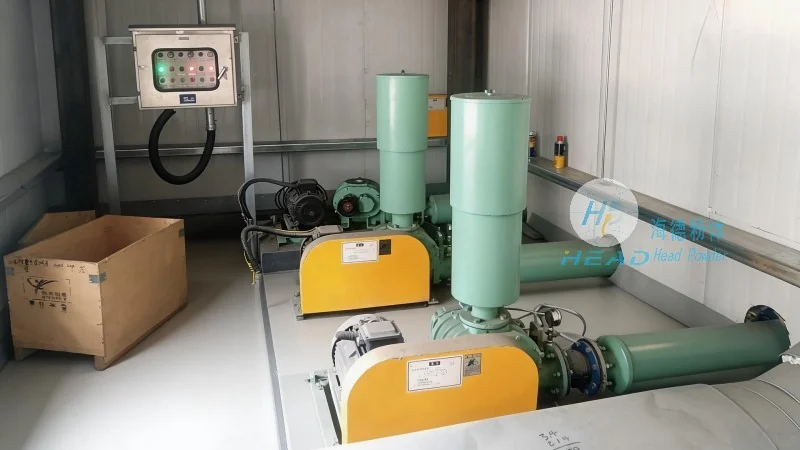
The core principles of cellulose material conveying revolve around the mechanical movement of fibrous materials through a system of equipment designed to handle their unique physical properties. Cellulose materials, characterized by their high moisture content, fibrous structure, and varying particle sizes, require specialized conveying methods to prevent blockages, degradation, and loss of material integrity. Key principles include:
Common conveying methods for cellulose materials include screw conveyors, belt conveyors, and pneumatic conveying systems. Each method is selected based on the specific characteristics of the material and the operational requirements of the application. For example, screw conveyors are often used for horizontal or slight incline transport due to their ability to handle fibrous materials without significant blockage, while pneumatic systems are preferred for long-distance or high-volume transport where flexibility and minimal material degradation are required.
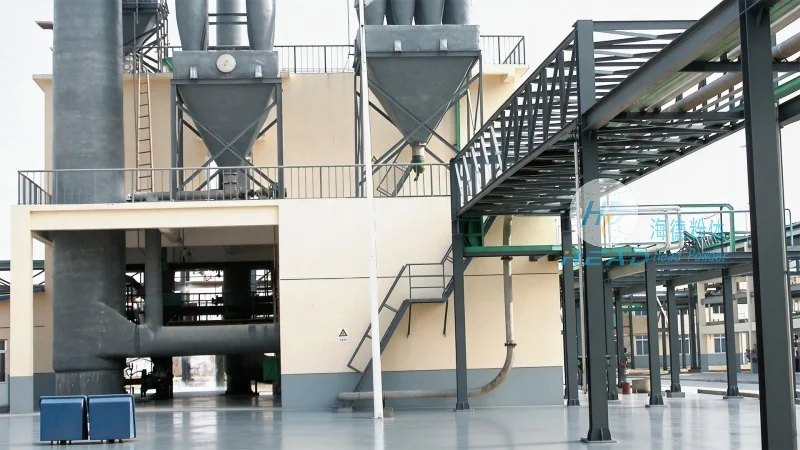
The characteristics of working scenes in cellulose material conveying vary significantly depending on the industry and the specific application. These characteristics influence the choice of equipment, system design, and operational parameters. Key aspects include:
Each working scene presents unique challenges that require tailored solutions. For instance, in high-moisture environments, the risk of material caking and blockage increases, necessitating the use of equipment with self-cleaning features or adjustable speed controls. In contrast, in low-moisture applications like dry wood chip transport, the focus may shift to energy efficiency and minimal material degradation. The selection of the appropriate conveying method and equipment is critical to addressing these challenges and optimizing performance.
When designing cellulose material conveying systems, several factors must be considered to ensure optimal performance and longevity. These include material properties, operational conditions, and the specific requirements of the application. Shandong HeadPowder Engineering Co., Ltd. employs advanced engineering principles and extensive industry experience to develop customized solutions that meet these diverse needs.
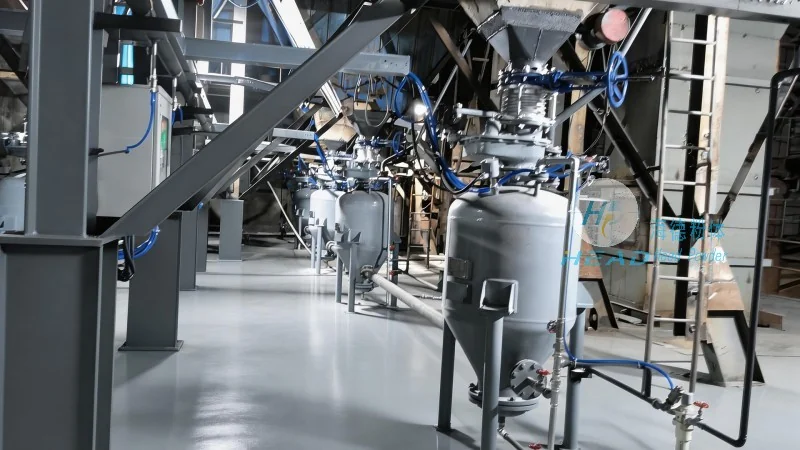
Advanced technologies, such as variable frequency drives (VFDs) and automated control systems, are increasingly used in modern cellulose material conveying systems to enhance efficiency and reduce energy consumption. These technologies allow for precise control of conveyor speed and material flow, adapting to changing operational conditions in real time. The use of sensors and monitoring systems also enables proactive maintenance, reducing downtime and increasing system reliability.
Cellulose material conveying is a complex process that requires a deep understanding of material properties, operational requirements, and system design principles. The working scene characteristics of different applications demand tailored solutions to ensure optimal performance, efficiency, and longevity. Companies like Shandong HeadPowder Engineering Co., Ltd. play a crucial role in providing customized conveying systems that address these diverse needs, contributing to the efficient handling of cellulose materials in various industries.

 Shandong Headpowder Engineering Co., Ltd.
 156-6277-7102(Manager Zhang)
  0531-83386006
  Zhangqiu District, Jinan City, Shandong Province, China
telephone
WeChatconsult
top