

What is a Quantitative Weighing Material Pneumatic Conveying Equipment? What Are Its Design Principl
Quantitative weighing material pneumatic conveying equipment is a specialized industrial device designed to transport bulk materials through a pneumatic system while accurately measuring and controlling the quantity of material being conveyed. This equipment is widely used in various industries, including pharmaceuticals, food processing, chemicals, and mining, where precise material handling is critical for quality control and operational efficiency. The core function of such equipment is to ensure that the material is transported from a source to a destination in a controlled manner, with the ability to measure the exact weight of the material being conveyed in real-time. This precision is achieved through integrated weighing systems and pneumatic conveying technology, making it an essential tool for industries that require consistent and reliable material handling processes. Shandong HeadPowder Engineering Co., Ltd., a leading manufacturer in this field, specializes in designing and manufacturing high-quality quantitative weighing pneumatic conveying equipment tailored to meet the specific needs of different industries.
Key Components and Working Principle
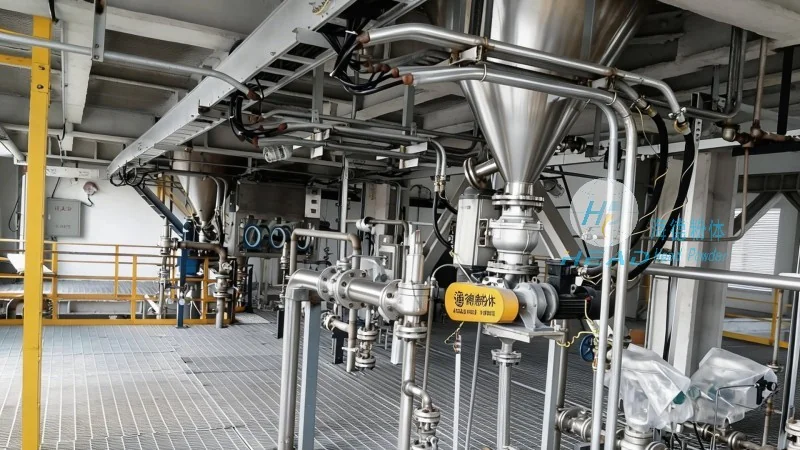
The design of quantitative weighing pneumatic conveying equipment involves several key components that work in tandem to achieve accurate material transport. The primary components include a material hopper, a feeder system, a pneumatic conveying line, a dust collector, and a weighing scale. The material hopper stores the bulk material, while the feeder system (such as a screw feeder or rotary valve) regulates the flow of material into the conveying line. The pneumatic conveying line uses compressed air to move the material through the system, and the dust collector ensures that any airborne particles are captured and filtered. The weighing scale, typically integrated with the feeder or the conveying line, measures the mass of the material being conveyed, providing real-time data on the quantity being transported.
Design Principles for Precision and Efficiency
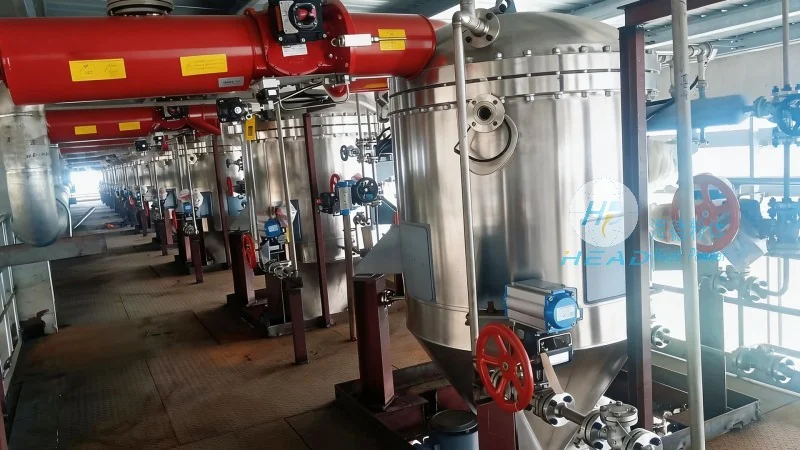
The design principles of quantitative weighing pneumatic conveying equipment are centered on achieving high accuracy, reliability, and efficiency. One of the fundamental principles is the integration of a closed-loop control system that continuously monitors the material flow and adjusts the feeder speed or air pressure to maintain the desired weight. This closed-loop system ensures that the material is conveyed at a consistent rate, minimizing variations in the output. Another key principle is the use of high-quality materials and components that can withstand the abrasive nature of the bulk materials being handled. For example, the conveying line and components are often made of stainless steel or other corrosion-resistant materials to prevent wear and tear, ensuring long-term durability. Additionally, the equipment is designed with safety features, such as pressure relief valves and emergency shut-off mechanisms, to protect operators and the system from potential hazards. The design also emphasizes energy efficiency, with optimized air flow and pressure control to reduce energy consumption while maintaining performance.
Applications in Different Industries
Quantitative weighing pneumatic conveying equipment is versatile and finds applications in a wide range of industries. In the pharmaceutical industry, it is used to transport active pharmaceutical ingredients (APIs) and excipients with high precision, ensuring that the correct dosage is delivered in each batch. The equipment's ability to handle sensitive materials without contamination is crucial in this sector. In the food processing industry, it is used to convey ingredients like flour, sugar, and spices, maintaining the quality and freshness of the products. The equipment's hygienic design and easy cleaning features make it suitable for food applications. In the chemical industry, it is used to transport powders and granules, such as fertilizers and chemicals, with accurate measurement and control. The equipment's robust construction and ability to handle corrosive materials make it ideal for chemical processing. In the mining industry, it is used to transport ore and other minerals from the mine to processing facilities, with the ability to handle large volumes of material efficiently.
Advantages of Using Quantitative Weighing Pneumatic Conveying Equipment
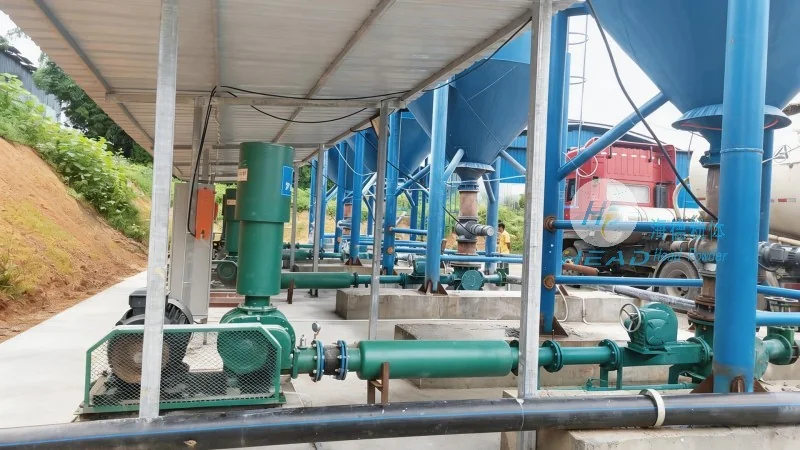
There are several advantages to using quantitative weighing pneumatic conveying equipment in industrial processes. One of the main advantages is the high level of accuracy in material measurement. The integrated weighing system allows for precise control of the material quantity being conveyed, reducing errors and waste. This accuracy is particularly important in industries where precise dosing is critical, such as pharmaceuticals and food processing. Another advantage is the efficiency of the pneumatic conveying system. Compared to traditional methods like belt conveyors or bucket elevators, pneumatic conveying can transport materials over longer distances with less maintenance and lower energy consumption. The equipment also offers flexibility in terms of layout, as the conveying line can be installed in various configurations to fit the space constraints of the facility. Additionally, the closed-loop control system provides real-time monitoring and data logging, allowing operators to track the performance of the equipment and make adjustments as needed. This data-driven approach helps in optimizing the process and improving overall efficiency.
Maintenance and Operational Considerations
Proper maintenance and operational considerations are essential to ensure the long-term performance and reliability of quantitative weighing pneumatic conveying equipment. Regular maintenance is required to keep the equipment in good working condition. This includes cleaning the conveying line and components to remove any accumulated material, checking the condition of the air filter and compressor, and inspecting the weighing scale for accuracy. The feeder system should also be checked regularly to ensure that it is functioning correctly and that the material flow is consistent. Operational considerations include monitoring the air pressure and flow rate, as these parameters directly affect the conveying efficiency and material transport. It is also important to follow the manufacturer's guidelines for operating the equipment, including safety procedures and maintenance schedules. By adhering to these guidelines, operators can ensure that the equipment operates at its optimal performance level and minimize downtime.