With more than 10‑year industry experience, Shandong Headpowder delivers full‑service pneumatic‑conveying systems and blowers, undertaking nationwide turn‑key powder‑handling projects.
Positive pressure dilute phase pneumatic conveying systems represent a sophisticated method for material handling, particularly in industries requiring efficient, dust-free, and flexible transport solutions. This technology operates by propelling material particles through a pipeline using a pressurized air stream, ensuring a consistent and controlled flow. The system's design focuses on maintaining a low particle concentration in the conveying medium, which minimizes pressure drop and energy consumption while maximizing system efficiency.
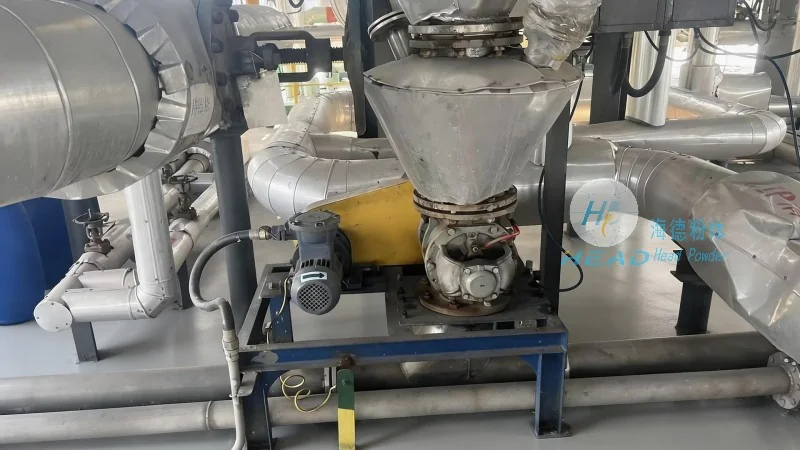
The fundamental principle of this system involves creating a positive pressure environment within the conveying line. A blower or compressor generates the necessary pressure, typically ranging from 0.5 to 2 bar, to move the material. The material is introduced into the pipeline at the inlet, where it mixes with the pressurized air. The air velocity is maintained above the material's terminal velocity, ensuring that particles remain suspended and transported through the system. This approach is distinct from negative pressure systems, as it does not rely on suction to draw material, but rather on the force of the pressurized air to push the material forward.
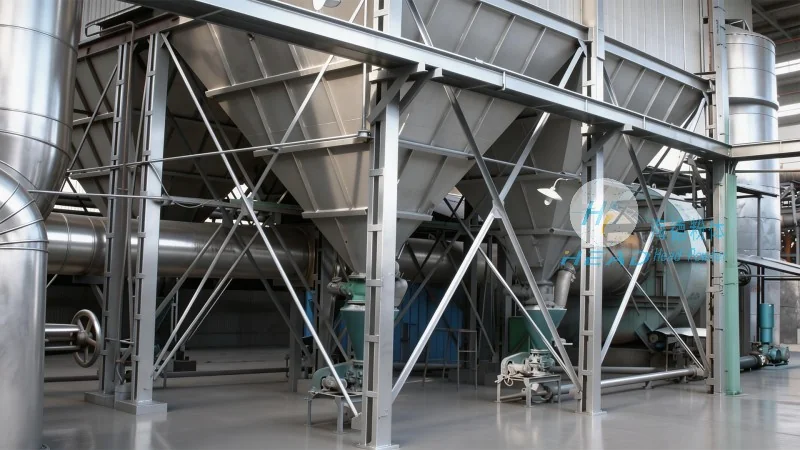
Several critical components work in tandem to ensure the effective operation of a positive pressure dilute phase system. The primary components include a blower or compressor, a material feeder, a conveying line, and a discharge unit. The blower provides the necessary pressure and airflow to transport the material. The material feeder, such as a rotary valve or screw feeder, controls the flow rate of the material into the system, ensuring a consistent feed. The conveying line, typically made of stainless steel or other corrosion-resistant materials, is designed to withstand the pressure and temperature conditions. The discharge unit, often a rotary valve or a venturi, regulates the release of material at the destination point, preventing backflow and maintaining system integrity.
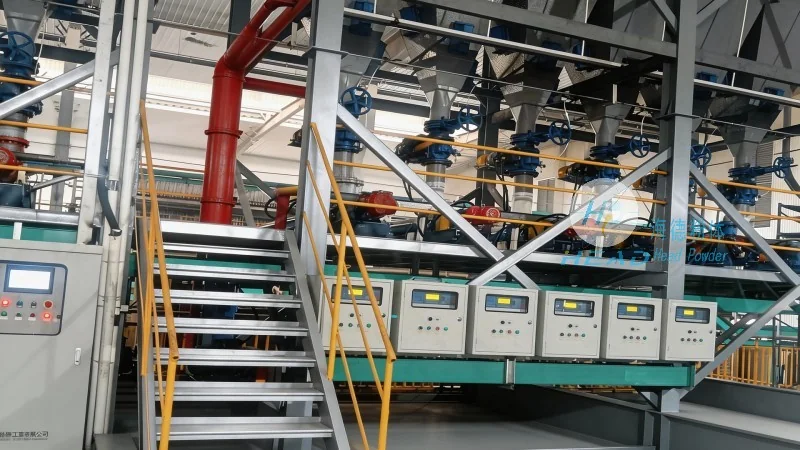
Positive pressure dilute phase pneumatic conveying offers several advantages over other material handling methods. One of the most significant benefits is the ability to handle a wide range of materials, including powders, granules, and even small pieces, without the need for additional processing. The system is also highly flexible, allowing for changes in material type or flow rate without major modifications. Additionally, it provides a dust-free and hygienic environment, which is crucial in industries such as food, pharmaceuticals, and chemicals. The low maintenance requirements and the ability to operate in a closed system also contribute to its popularity.
The versatility of positive pressure dilute phase systems makes them suitable for various industrial applications. In the food industry, these systems are used to transport ingredients like flour, sugar, and spices from storage to processing areas, ensuring a clean and efficient workflow. In the pharmaceutical sector, they are employed to handle active pharmaceutical ingredients (APIs) and other sensitive materials, maintaining strict contamination control. The chemical industry utilizes these systems for transporting powders and granules, such as catalysts and reagents, in manufacturing processes. Additionally, in the agricultural sector, they can be used to convey grain and other agricultural products from storage to processing facilities. The system's ability to handle different materials and its flexibility make it a preferred choice in these and other industries.
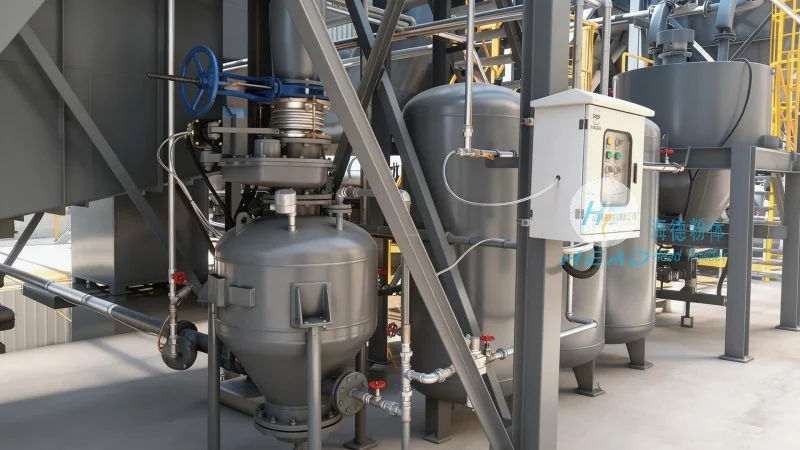
While positive pressure dilute phase systems offer numerous benefits, proper operation and maintenance are essential for optimal performance. Regular inspection of the blower and compressor is crucial to ensure they are operating within the specified parameters. The material feeder should be adjusted to maintain a consistent flow rate, preventing overloading or underloading of the system. The conveying line should be checked for any blockages or leaks, as these can lead to pressure drops and reduced efficiency. Additionally, the discharge unit should be properly maintained to prevent material buildup and ensure smooth material release. Proper training of operators on the system's operation and safety protocols is also vital to prevent accidents and ensure the system's longevity.

 Shandong Headpowder Engineering Co., Ltd.
 156-6277-7102(Manager Zhang)
  0531-83386006
  Zhangqiu District, Jinan City, Shandong Province, China
telephone
WeChatconsult
top