With more than 10‑year industry experience, Shandong Headpowder delivers full‑service pneumatic‑conveying systems and blowers, undertaking nationwide turn‑key powder‑handling projects.
HeadPowder, a leading engineering firm based in Shandong, China, specializes in the design and implementation of advanced pneumatic conveying systems tailored for bulk material handling, including sugar processing applications. This article explores the fundamental principles underlying sugar pneumatic conveying lines and highlights the key characteristics of their operational environments.
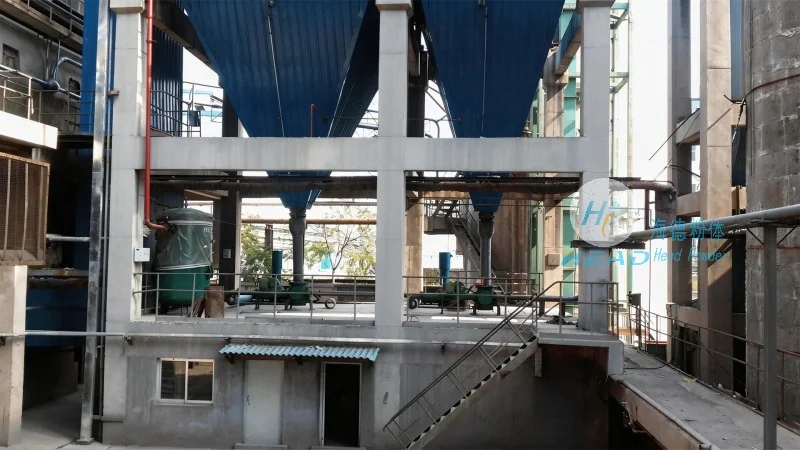
Sugar pneumatic conveying systems operate on the principle of transporting dry bulk materials, such as granulated or powdered sugar, through a pipeline using air or gas as the conveying medium. These systems can be categorized into two primary types: positive pressure and negative pressure systems. In positive pressure systems, air is forced into the conveying line at a higher pressure than the ambient environment, propelling the material forward. Conversely, negative pressure systems create a vacuum in the line, drawing the material into the pipeline. For sugar handling, positive pressure systems are often preferred due to their ability to handle abrasive materials and prevent product contamination from external air, which is critical for maintaining the purity and quality of sugar products.
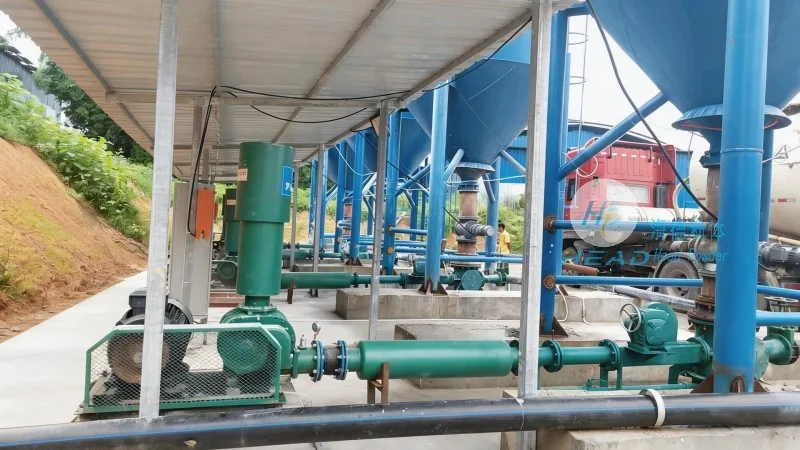
The operational environment of sugar pneumatic conveying lines is characterized by several distinct features that influence system design and performance. First, the material properties of sugar, including its granular size, moisture content, and flowability, directly impact the system's efficiency. For instance, fine powdered sugar requires a more controlled air flow to prevent clogging and ensure smooth transport, while larger granules may benefit from higher air velocities to maintain consistent movement. Second, the scale of the processing facility plays a crucial role. In large-scale sugar refineries or processing plants, the conveying lines often cover significant distances, requiring robust infrastructure to handle the volume and pressure demands. Third, the need for hygiene and product integrity is paramount. Sugar products are highly sensitive to contamination, so systems must be designed with materials that are non-reactive and easy to clean, such as stainless steel or food-grade plastics. Additionally, the integration of the conveying line with other processing equipment, such as storage silos, hoppers, and packaging machinery, is essential for seamless workflow and minimal downtime.
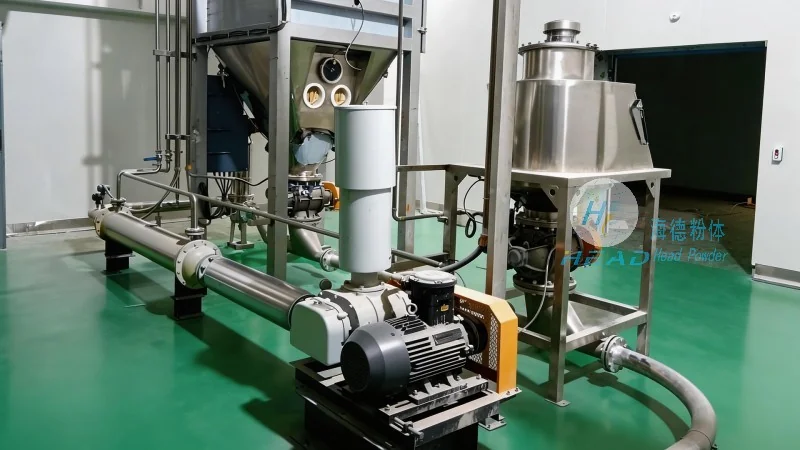
Sugar pneumatic conveying lines are widely used in various stages of sugar production and processing. In the initial stages, raw sugar or sugar beets are processed into granulated sugar, which is then conveyed from storage silos to milling or refining equipment. During the refining process, the sugar is transported between different stages of filtration, crystallization, and drying, where the conveying system ensures that each step receives the precise amount of material needed. In the final stages, the finished sugar is conveyed to packaging lines, where it is loaded into bags or containers for distribution. The versatility of pneumatic conveying allows these systems to adapt to different production volumes and product types, making them a preferred choice for modern sugar processing facilities seeking efficiency and reliability.
Compared to traditional mechanical conveying methods, sugar pneumatic conveying lines offer several technical advantages that enhance operational performance. One of the most significant benefits is the reduction in material handling time and labor costs. By automating the transport of sugar between processing stages, the system minimizes the need for manual handling, which not only improves safety but also increases overall productivity. Another advantage is the ability to handle materials with high moisture content or sticky properties, as the air flow helps to keep the material dry and free-flowing. In terms of energy efficiency, modern pneumatic conveying systems are designed to optimize air usage, reducing energy consumption while maintaining high conveying rates. Performance metrics such as conveying capacity, pressure drop, and system efficiency are carefully monitored to ensure optimal operation. For example, a well-designed sugar pneumatic conveying system can achieve conveying capacities of several tons per hour with minimal pressure loss, ensuring that the material reaches its destination without degradation or loss.
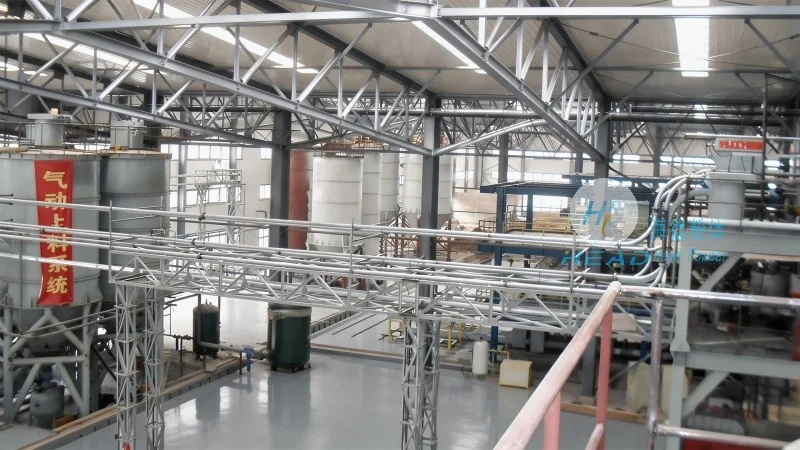
HeadPowder Engineering Co., Ltd., with its headquarters in Shandong, China, has established itself as a trusted provider of specialized pneumatic conveying solutions for the sugar industry. By leveraging advanced engineering principles and industry experience, the company designs systems that meet the unique demands of sugar processing, ensuring reliability, efficiency, and product integrity. The principles and characteristics of sugar pneumatic conveying lines, as outlined in this article, highlight the importance of tailored system design in optimizing material handling processes. As the sugar industry continues to evolve, the demand for advanced conveying technologies will remain high, and companies like HeadPowder are positioned to deliver innovative solutions that enhance operational performance and support sustainable growth.

 Shandong Headpowder Engineering Co., Ltd.
 156-6277-7102(Manager Zhang)
  0531-83386006
  Zhangqiu District, Jinan City, Shandong Province, China
telephone
WeChatconsult
top