

Principle and Working Scene Characteristics of Calcium Carbide Powder Pneumatic Conveying Equipment
Calcium carbide powder is a critical material in various industrial applications, and the efficient handling of this material is essential for maintaining production efficiency and safety. Pneumatic conveying systems have emerged as a preferred solution for transporting calcium carbide powder due to their ability to handle fine powders with minimal dust generation and high transfer rates. This article explores the fundamental principles behind calcium carbide powder pneumatic conveying equipment, alongside the key characteristics of its operational scenarios.
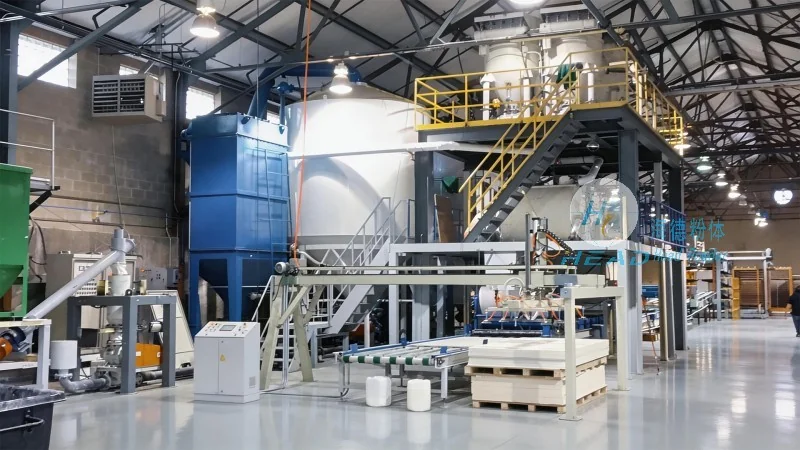
Principle of Pneumatic Conveying for Calcium Carbide Powder
The core principle of pneumatic conveying for calcium carbide powder involves the use of air or gas to transport the powder through a pipeline system. In this process, the powder is suspended in a stream of air, which moves it from the source to the destination. There are two main types of pneumatic conveying systems: dilute-phase and dense-phase. Dilute-phase systems operate at higher air velocities, typically moving the powder in a dispersed state, while dense-phase systems use lower air velocities to create a more concentrated powder-air mixture, often with the assistance of pressure or vacuum.
For calcium carbide powder, which is known for its reactivity and potential to cause dust explosions, the choice of conveying system is crucial. The dilute-phase system is often preferred for its simplicity and ability to handle large volumes quickly, but it requires careful control of air velocity and pressure to prevent particle degradation or system blockages. Dense-phase systems, on the other hand, offer better control over the powder's flow and can reduce the risk of dust accumulation, making them suitable for applications where material integrity is paramount.
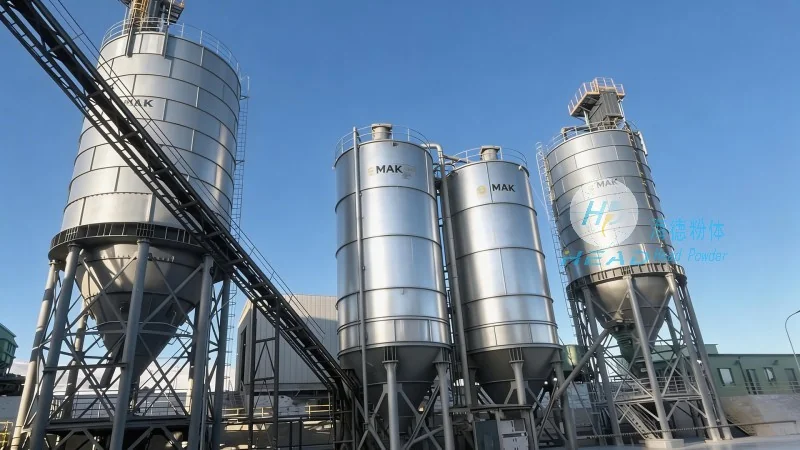
Key Working Scene Characteristics
The operational scenarios for calcium carbide powder pneumatic conveying equipment vary based on the specific industrial processes and the nature of the material being handled. One common scenario is in the production of acetylene gas, where calcium carbide is reacted with water to produce acetylene. In such settings, the conveying system must be integrated with the production line to transport raw calcium carbide from storage to the reaction vessel, and possibly to downstream processing units. The system must be designed to handle the material's reactivity and prevent any contact with moisture or air that could cause premature reactions or safety hazards.
Another typical application is in the chemical and metallurgical industries, where calcium carbide is used as a reducing agent or in the production of other chemicals. Here, the conveying equipment may need to handle larger quantities of powder over longer distances, often in conjunction with other bulk material handling systems. The working scene characteristics in these environments include high ambient temperatures, the presence of other reactive chemicals, and the need for dust control measures to comply with occupational health and safety regulations.
In addition to industrial production, the equipment may also be used in research and development laboratories or small-scale pilot plants. In these settings, the conveying system is often more compact and may use lower air pressures to handle smaller quantities of powder. The key characteristics here include precision in material transfer, minimal contamination, and the ability to integrate with analytical equipment for process monitoring.
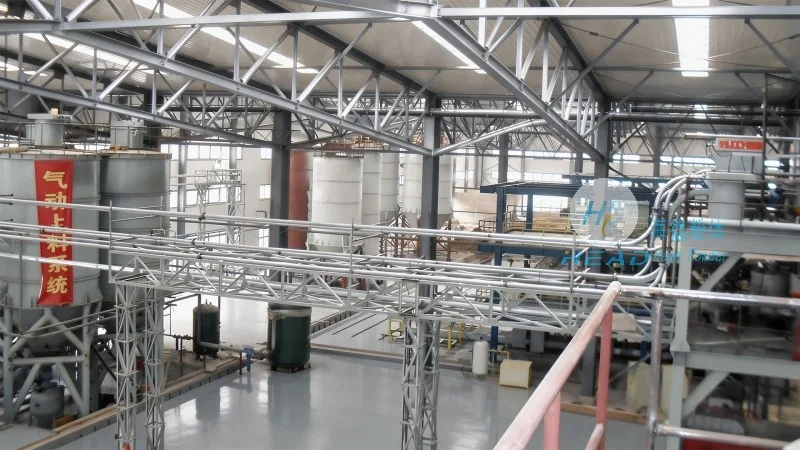
Company Overview: Shandong HeadPowder Engineering Co., Ltd.
Shandong HeadPowder Engineering Co., Ltd., operating under the brand name headpowder, specializes in the design, manufacturing, and installation of pneumatic conveying systems tailored for calcium carbide powder and other fine materials. With a focus on industrial efficiency and safety, the company leverages advanced engineering solutions to address the unique challenges of handling reactive powders like calcium carbide. Headpowder's expertise lies in customizing conveying systems to meet the specific requirements of each client, ensuring optimal performance and compliance with industry standards.
Headpowder's facilities are located in Shandong, China, where the company maintains a strong presence in the bulk material handling sector. The company's team of engineers and technicians brings extensive experience in pneumatic conveying technology, enabling them to develop solutions that enhance production throughput while minimizing operational risks. By combining innovative design with rigorous testing and quality control, headpowder delivers reliable equipment that meets the demands of modern industrial applications.