

What is a desulfurization and dust removal ash material pneumatic conveying system? What are its des
Desulfurization and dust removal processes in power plants and industrial facilities generate large volumes of ash and sludge. The efficient handling and transportation of these materials are critical for maintaining operational efficiency and environmental compliance. A pneumatic conveying system specifically designed for desulfurization and dust removal ash offers a reliable solution to manage these challenging materials. This article explores the components, working principles, and design considerations of such a system, highlighting its importance in modern industrial applications.
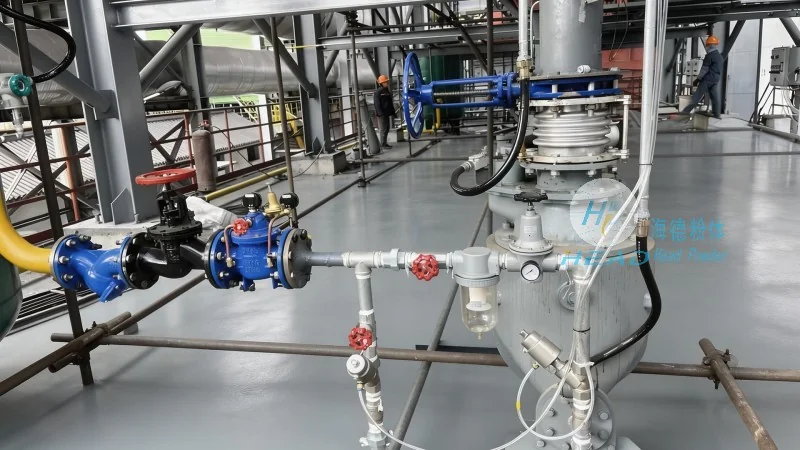
Key Components of the Pneumatic Conveying System
The desulfurization and dust removal ash pneumatic conveying system typically consists of several key components that work in tandem to transport the material from the source to the disposal or reutilization point. These components include the ash collection hopper, the conveying pipeline, the air compressor or blower, the material feeder, and the control system. Each component plays a crucial role in ensuring the smooth and efficient operation of the system.
The ash collection hopper is designed to collect the ash and dust generated during the desulfurization process. It is usually equipped with a feeding mechanism, such as a rotary valve or a screw conveyor, which regulates the flow of material into the conveying pipeline. The conveying pipeline is made of high-quality materials, such as stainless steel or polyethylene, to withstand the corrosive nature of the ash and prevent leakage. The air compressor or blower provides the necessary air pressure to move the material through the pipeline. The material feeder controls the rate at which the ash is introduced into the system, ensuring a consistent flow. The control system monitors and adjusts the operation of the system to maintain optimal performance.
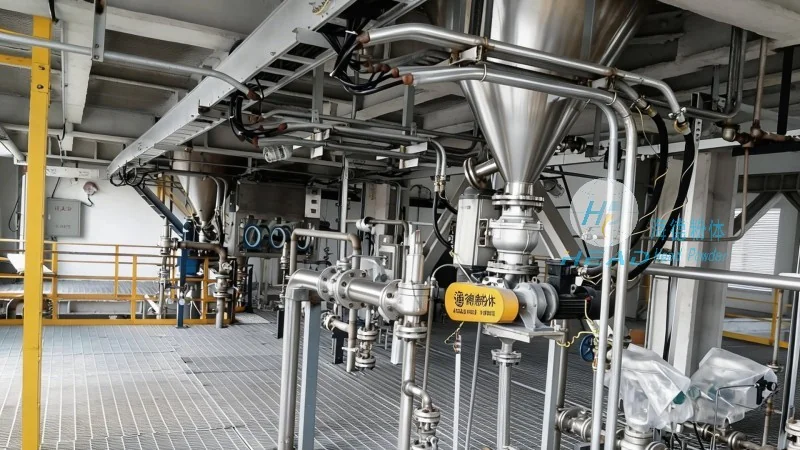
Design Principles and Working Mechanism
The design of a desulfurization and dust removal ash pneumatic conveying system is based on the principles of pneumatic transport, which involves the use of air to move solid particles. The system operates by creating a pressure differential between the inlet and outlet of the pipeline. The air compressor or blower generates a high-pressure air stream that carries the material through the pipeline. The material is suspended in the air stream and transported to the destination. The design principles include considerations of material properties, such as particle size, density, and moisture content, as well as the required conveying distance and capacity.
The system can be designed as either a positive pressure or negative pressure system. In a positive pressure system, the air is blown into the pipeline, creating a high-pressure environment that pushes the material forward. In a negative pressure system, the air is drawn out of the pipeline, creating a low-pressure environment that pulls the material forward. The choice between the two systems depends on factors such as the distance to be covered, the amount of material to be conveyed, and the need to minimize dust emissions.
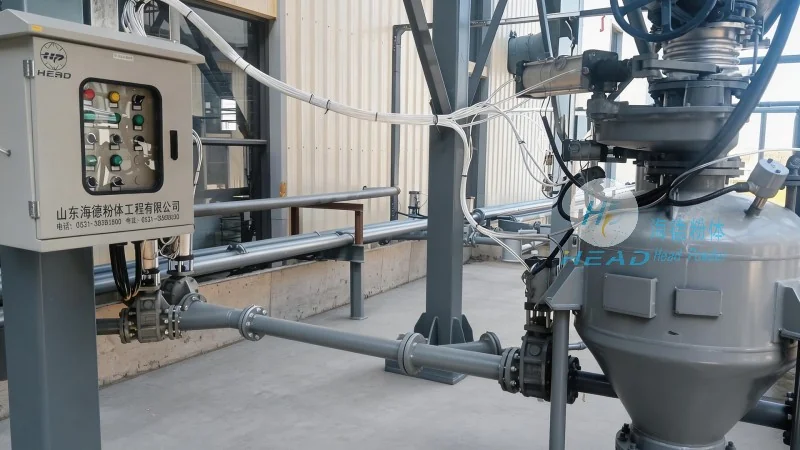
Advantages of Using a Pneumatic Conveying System for Ash Handling
Implementing a pneumatic conveying system for desulfurization and dust removal ash offers several advantages over traditional methods, such as truck transport or belt conveyors. One of the primary advantages is the ability to handle large volumes of material efficiently and continuously. The system can transport ash over long distances without the need for intermediate storage or handling. Another advantage is the reduction in dust emissions, as the material is contained within the pipeline and the system is equipped with dust collection and filtration equipment. This helps to minimize environmental impact and improve workplace safety. Additionally, the system is less prone to blockages and can handle a wide range of ash compositions, including those with high moisture content or abrasive particles.
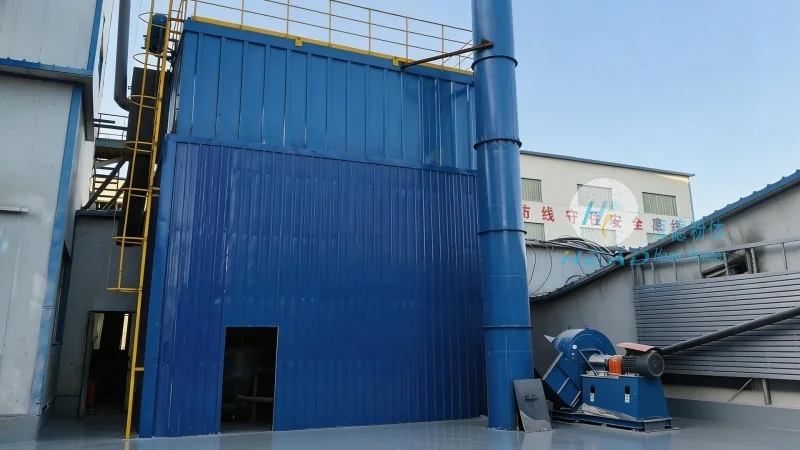
Applications and Industries
The desulfurization and dust removal ash pneumatic conveying system is widely used in various industries, particularly in power generation, where coal-fired power plants generate significant amounts of ash. The system is also used in industrial facilities that use desulfurization processes to reduce sulfur dioxide emissions. Other applications include the handling of fly ash from incineration plants and the transportation of ash for reutilization in construction materials. The versatility of the system makes it suitable for a wide range of industrial applications where efficient ash handling is required.
Conclusion
In conclusion, a desulfurization and dust removal ash material pneumatic conveying system is a critical component in modern industrial facilities, providing an efficient and reliable method for handling and transporting ash and dust. The system's design principles, based on pneumatic transport, ensure that the material is moved safely and effectively. The advantages of using such a system, including high efficiency, reduced dust emissions, and flexibility, make it an ideal solution for various industrial applications. As environmental regulations become more stringent, the demand for efficient ash handling systems will continue to grow, making the desulfurization and dust removal ash pneumatic conveying system an essential technology in the industry.