With more than 10‑year industry experience, Shandong Headpowder delivers full‑service pneumatic‑conveying systems and blowers, undertaking nationwide turn‑key powder‑handling projects.
Cellulose pneumatic conveying machines are specialized equipment designed to transport cellulose-based materials through a pneumatic system. These machines utilize air pressure to move bulk materials from one location to another, making them an efficient solution for various industrial applications. Understanding the core components and design principles of such equipment is crucial for selecting the right system for specific operational needs.
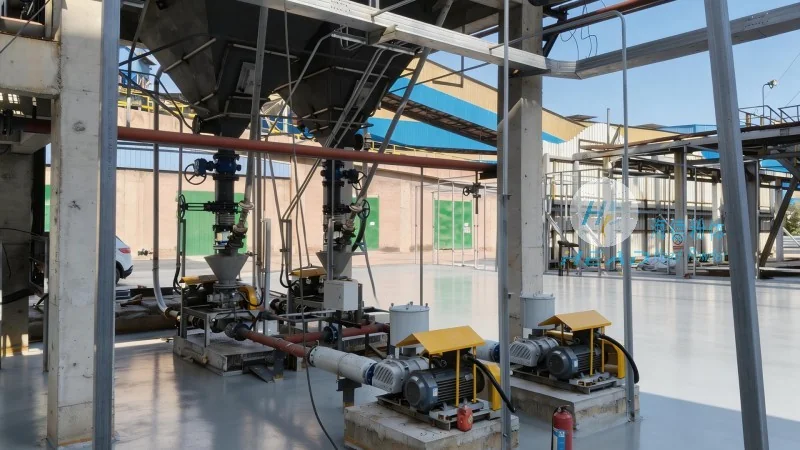
At the heart of a cellulose pneumatic conveying machine is a system that combines air flow with mechanical components to transport dry, powdered or granular cellulose materials. The primary goal is to achieve reliable, low-cost material transfer without the need for complex mechanical parts like belts or buckets. This method is particularly advantageous for handling materials that are prone to dust or require a clean, enclosed transport process.
The design of a cellulose pneumatic conveying machine revolves around several critical principles to ensure efficient and safe operation. First, the system must maintain consistent air pressure and flow rates to prevent material blockages or degradation. This is typically achieved through the use of high-quality air compressors and carefully engineered ductwork that minimizes pressure losses. Second, the machine incorporates appropriate material handling components, such as feeders and cyclones, to control the flow and separation of materials. These components are designed to handle the specific characteristics of cellulose, including its fibrous nature and potential for static electricity.
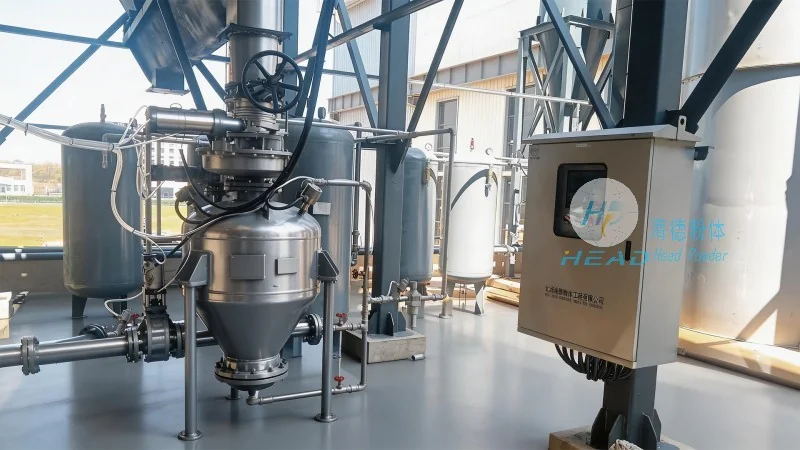
Another essential design principle is the consideration of material properties. Cellulose materials can vary in particle size, moisture content, and bulk density, all of which impact the conveying efficiency. Engineers must account for these variables by selecting the appropriate air velocity and system configuration. For instance, higher air velocities may be required for finer cellulose powders to prevent clogging, while larger particles may benefit from lower velocities to reduce energy consumption. The system's design also includes features to manage dust and prevent contamination, ensuring that the transported material remains clean and free from external pollutants.
A typical cellulose pneumatic conveying machine consists of several key components that work in tandem to achieve effective material transport. The main elements include an air compressor, which generates the necessary pressure to move the material; a hopper or feeder, which holds the cellulose and feeds it into the system; a conveying line, which transports the material through the air stream; and a receiver or discharge unit, where the material is collected. Additionally, the system may include cyclones or filters to separate the material from the air and return the air to the compressor for reuse.
The air compressor plays a vital role in maintaining the pressure differential required for conveying. It can be either positive pressure or negative pressure systems, depending on the application. Positive pressure systems push the material through the line using compressed air, while negative pressure systems draw the material into the line using a vacuum. The choice between these systems depends on factors such as the distance to be covered and the material's properties. For cellulose, positive pressure systems are often preferred as they provide better control over the material flow and reduce the risk of dust emissions.
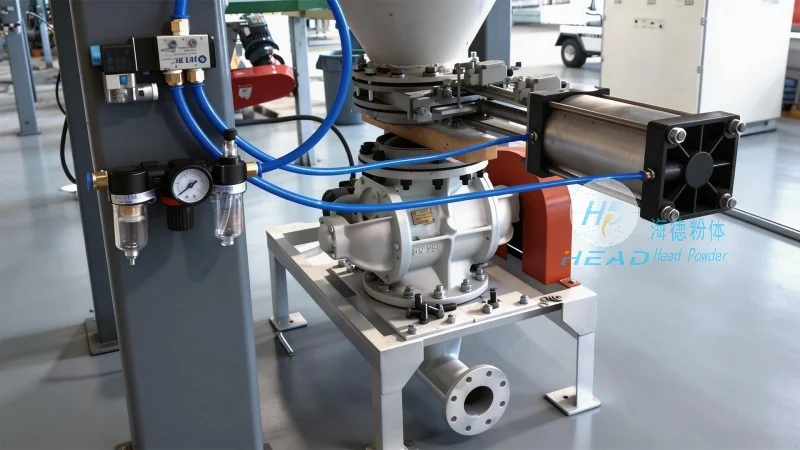
Implementing a cellulose pneumatic conveying machine offers several advantages over traditional mechanical conveying methods. One of the most significant benefits is the reduction in labor costs and maintenance requirements. Since there are no moving parts in direct contact with the material, the system experiences less wear and tear, leading to lower operational expenses over time. Additionally, the enclosed design of pneumatic systems minimizes dust exposure, improving workplace safety and compliance with environmental regulations. This is particularly important for cellulose materials, which can generate significant dust during handling.
Another advantage is the flexibility and scalability of the system. Cellulose pneumatic conveying machines can be easily adjusted to handle varying material volumes and types. They can be integrated into existing production lines or expanded to accommodate future growth, making them a cost-effective solution for evolving industrial needs. The system's ability to transport materials over long distances without the need for intermediate storage or handling points also enhances overall operational efficiency.
Cellulose pneumatic conveying machines are widely used in various industries that handle cellulose-based materials. Common applications include the paper and pulp industry, where they transport raw cellulose fibers or recycled paper products. In the food industry, these machines are used to convey cellulose-based ingredients such as cellulose gum or dietary fiber. The pharmaceutical industry also benefits from such systems for transporting cellulose-based excipients or active ingredients. Additionally, in the chemical industry, cellulose pneumatic conveying machines are employed to handle cellulose derivatives used in various manufacturing processes.
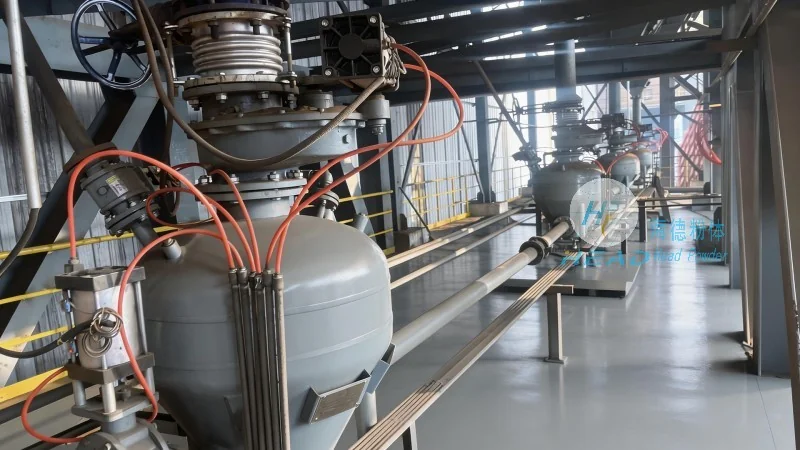
The versatility of these machines makes them suitable for a range of processes, from bulk material handling to precise dosing applications. Whether used in a large-scale production facility or a smaller processing plant, the design principles and components of a cellulose pneumatic conveying machine ensure reliable and efficient material transport. By understanding the specific requirements of the application, engineers can select or customize a system that maximizes performance and minimizes operational challenges.
Cellulose pneumatic conveying machines represent an advanced and efficient solution for transporting cellulose materials in industrial settings. Their design, based on principles of air pressure and material handling, offers numerous benefits including reduced maintenance, improved safety, and enhanced operational flexibility. As a leader in engineering solutions for material handling, Shandong HeadPowder Engineering Co., Ltd. specializes in designing and manufacturing high-quality pneumatic conveying systems tailored to the unique needs of cellulose-based applications. With a focus on innovation and customer satisfaction, HeadPowder provides reliable equipment that meets the demands of modern industrial operations.

 Shandong Headpowder Engineering Co., Ltd.
 156-6277-7102(Manager Zhang)
  0531-83386006
  Zhangqiu District, Jinan City, Shandong Province, China
telephone
WeChatconsult
top