

What is a Pneumatic Conveying System for Battery Cathode Material? And What Are Its Design Principle
When it comes to the manufacturing of lithium-ion batteries and other advanced battery technologies, the efficient and safe handling of cathode materials is a critical step. Among the various methods available, pneumatic conveying systems have emerged as a preferred solution for transporting battery cathode materials from raw material storage to processing equipment. This article explores what a pneumatic conveying system for battery cathode material is and delves into its core design principles, highlighting the technology's role in modern battery production.
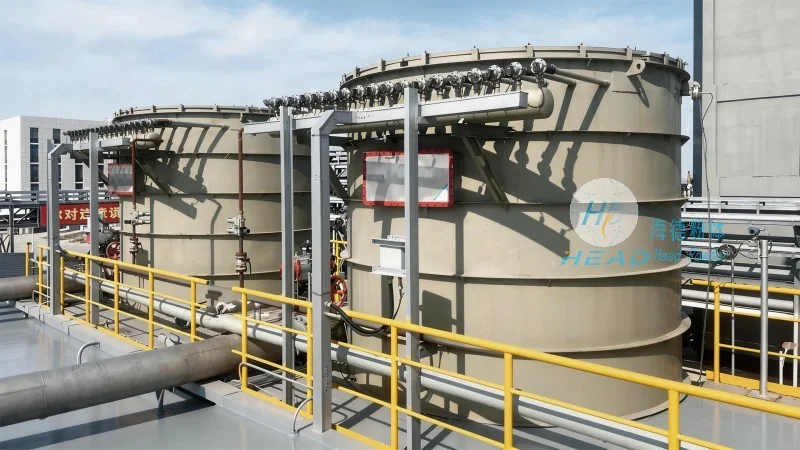
Introduction to Pneumatic Conveying Systems for Battery Cathode Materials
Battery cathode materials, such as lithium cobalt oxide (LCO), lithium nickel manganese cobalt oxide (NMC), and lithium iron phosphate (LFP), are often fine powders with specific physical and chemical properties. Traditional methods like belt conveyors or bucket elevators may not be suitable due to issues like dust generation, material degradation, or the need for high-precision control. Pneumatic conveying systems offer a dust-free, enclosed, and automated solution that addresses these challenges effectively. These systems use compressed air or gas to transport materials through a network of pipes, ensuring minimal contamination and optimal material integrity throughout the process.
Core Components and Design Principles of the System
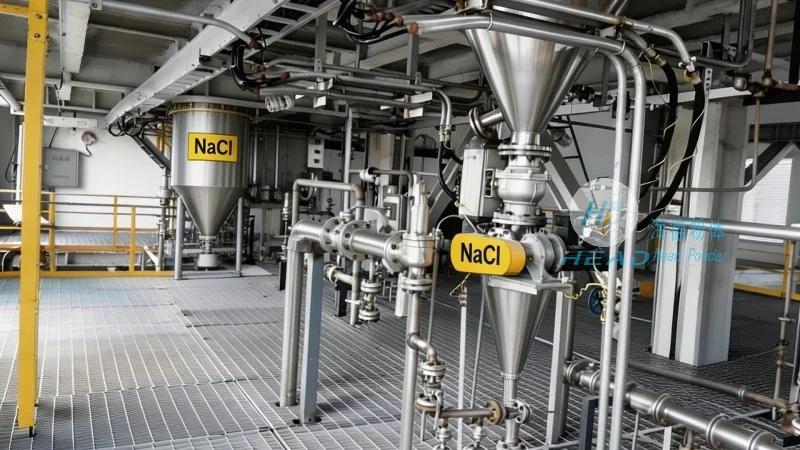
The pneumatic conveying system for battery cathode materials typically consists of several key components, each playing a vital role in the overall operation. The primary components include a material feeder, which ensures a consistent and controlled flow of the cathode powder; a conveying line, usually made of stainless steel or other corrosion-resistant materials to handle the reactive nature of the materials; a separation and collection system, such as cyclones or filters, to capture the material at the end of the line; and a control unit that monitors and adjusts the system's pressure, flow rate, and other parameters in real-time.
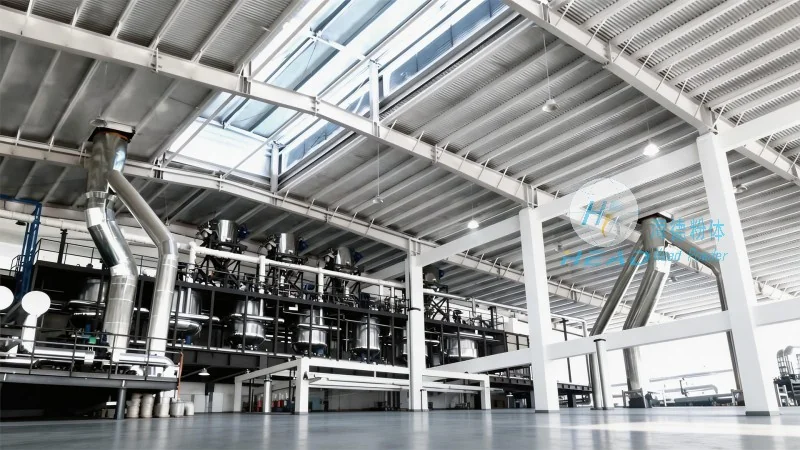
The design principles of these systems are centered around matching the material's characteristics with the system's operating parameters. For instance, the selection of the conveying air velocity is crucial to prevent material settling or blockages in the pipes. Engineers must consider factors like particle size distribution, density, and moisture content to determine the optimal air velocity and pressure. Additionally, the system's layout, including the number of bends and the length of the conveying line, is carefully designed to minimize pressure drop and energy consumption while maintaining the required material flow rate.
HeadPowder's Expertise in Battery Cathode Material Handling Solutions
HeadPowder, or Shandong HeadPowder Engineering Co., Ltd., based in Shandong, China, is a leading provider of specialized engineering solutions for material handling in the battery and other industrial sectors. With years of experience in designing and manufacturing pneumatic conveying systems, HeadPowder has developed a deep understanding of the unique challenges associated with handling battery cathode materials. The company's team of engineers and technicians work closely with clients to assess their specific requirements, from raw material storage to final processing, and design customized systems that meet their production needs while ensuring compliance with industry standards and safety regulations.
Key Advantages of the Pneumatic Conveying System
Implementing a pneumatic conveying system for battery cathode materials offers several significant advantages over traditional methods. First, it provides a completely enclosed and dust-free environment, which is essential for maintaining material purity and preventing contamination in sensitive battery production processes. Second, the system enables precise control over material flow, allowing for consistent dosing and feeding to downstream equipment, which improves product quality and reduces waste. Third, the automated nature of the system reduces the need for manual labor, enhancing operational efficiency and safety. Finally, the system's compact design and flexibility make it suitable for integration into existing production lines or new facilities, providing a scalable solution for growing battery manufacturing operations.
Customization and Application Flexibility
HeadPowder recognizes that no two battery production facilities are identical, and thus, the pneumatic conveying systems they design are highly customizable. Whether the client is producing lithium-ion batteries for electric vehicles, energy storage systems, or portable electronics, the system can be tailored to handle different types of cathode materials, varying particle sizes, and specific production volumes. The company's engineers can also integrate additional features, such as material drying or cooling units, into the system to address specific material properties or process requirements. This flexibility ensures that the system not only meets current production needs but can also adapt to future technological advancements and scaling requirements.