

Working Principle and Features of Refractory Material Pneumatic Conveying Equipment
Refractory material pneumatic conveying equipment is a specialized system designed to transport refractory materials, such as powders and granules, through a pipeline using air or gas as the conveying medium. This technology is widely used in the refractory industry to enhance material handling efficiency and safety. The equipment operates by creating a pressure differential that propels the material through the system, ensuring reliable and continuous transport. In this article, we will explore the working principle and key features of such equipment, providing a comprehensive overview for industry professionals.
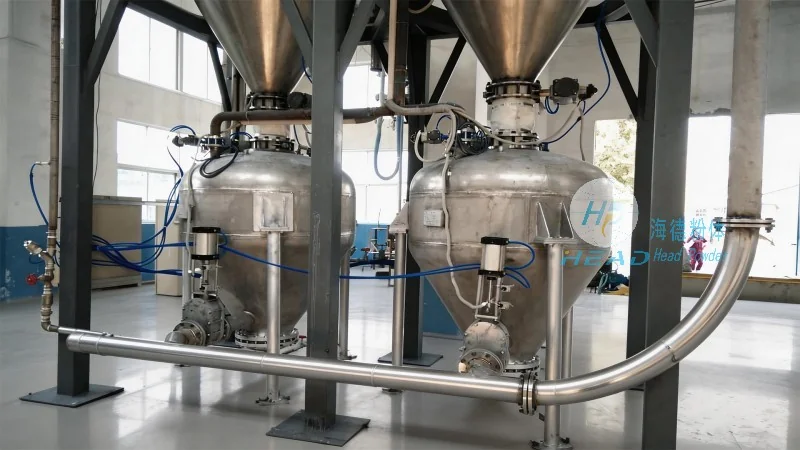
About Shandong HeadPowder Engineering Co., Ltd.
Shandong HeadPowder Engineering Co., Ltd., commonly known as HeadPowder, is a leading manufacturer and supplier of refractory material handling solutions. With a focus on innovation and quality, the company has established itself as a trusted partner in the refractory industry. HeadPowder's headquarters is located in Shandong, China, where the company conducts research, development, and manufacturing of advanced pneumatic conveying systems. The company's commitment to customer satisfaction and technological advancement has enabled it to serve a diverse range of clients globally.
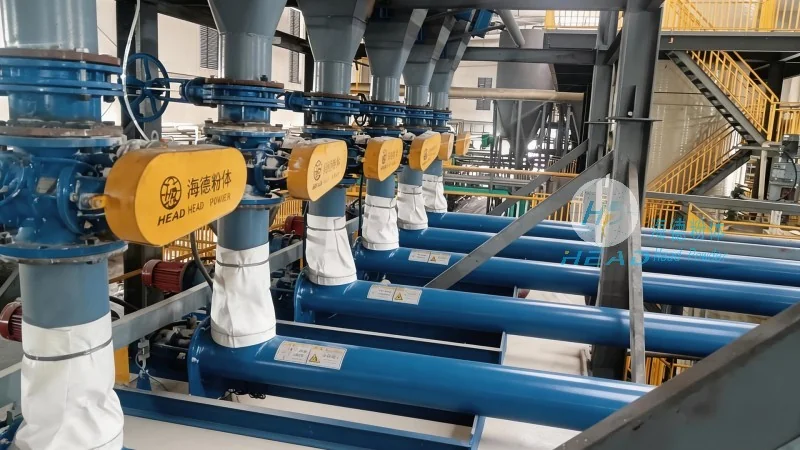
The Working Principle of Refractory Material Pneumatic Conveying Equipment
The core of refractory material pneumatic conveying equipment lies in its ability to transport bulk materials through a pipeline using air or gas. The system typically consists of several key components, including a material feeder, a conveying line, a separation unit, and a dust collector. The process begins with the material being fed into the system, where it is mixed with the conveying medium (air or gas). The air is then accelerated to a high velocity, creating a flow that carries the material particles through the pipeline. As the material travels, it is separated from the air at the receiving end, often through a cyclone or other separation device. The separated material is then collected, while the air is filtered and discharged. This continuous cycle ensures efficient and reliable material transport. The equipment operates under positive or negative pressure, depending on the specific application and material characteristics. Positive pressure systems use compressed air to push the material, while negative pressure systems use suction to draw the material. The choice of system depends on factors such as material type, distance, and environmental considerations.
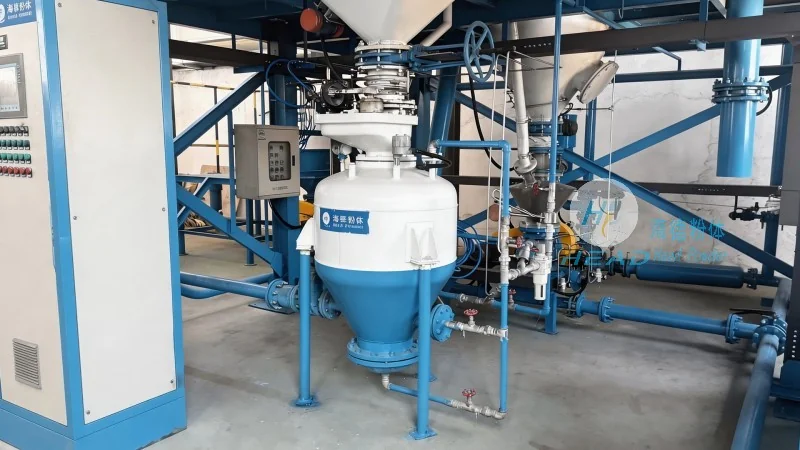
Key Features and Advantages of Refractory Material Pneumatic Conveying Equipment
Refractory material pneumatic conveying equipment offers several advantages over traditional material handling methods. One of the primary benefits is the ability to transport materials in a closed system, which minimizes dust emissions and improves workplace safety. This is particularly important for refractory materials, which can be hazardous if inhaled. The closed system also helps maintain material quality by preventing contamination from external sources. Another key feature is the high efficiency and speed of material transport. Pneumatic conveying systems can move materials over long distances with minimal energy consumption compared to other methods like belt conveyors or trucks. This makes them ideal for large-scale industrial applications where material handling is a critical operation. Additionally, the equipment is flexible and can be easily integrated into existing production lines. It can handle a wide range of refractory materials, including powders, granules, and even larger particles, depending on the system design. The modular nature of the equipment allows for customization to meet specific customer requirements, ensuring optimal performance and cost-effectiveness. Furthermore, the system is relatively low maintenance, with fewer moving parts compared to other conveying methods, reducing downtime and operational costs. The use of advanced materials and engineering in the construction of the equipment ensures durability and long service life, making it a reliable choice for industrial applications.