

Working Principle and Features of Powder Pneumatic Conveying Systems
Understanding the working principle and features of powder pneumatic conveying systems is crucial for industries that handle bulk powder materials. These systems utilize compressed air or other gases to transport powders through a pipeline network, offering an efficient and flexible solution for material handling. The core mechanism involves creating a pressure differential between the inlet and outlet of the conveying line, which propels the powder particles along the pipeline. This method eliminates the need for mechanical components like belts or buckets, reducing maintenance and operational costs.
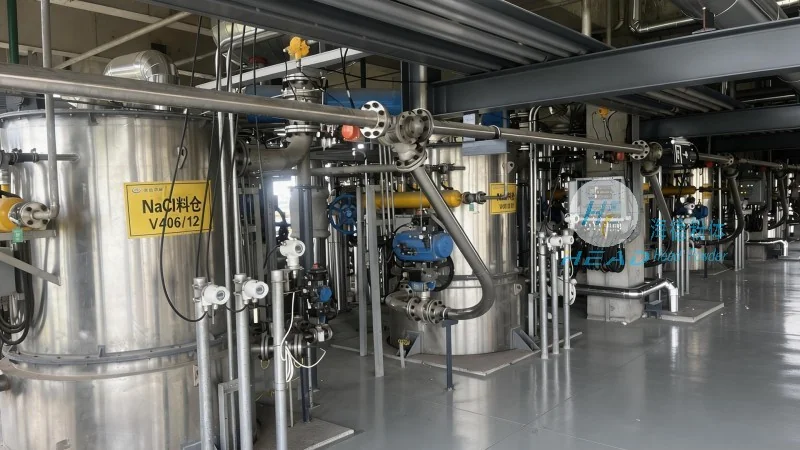
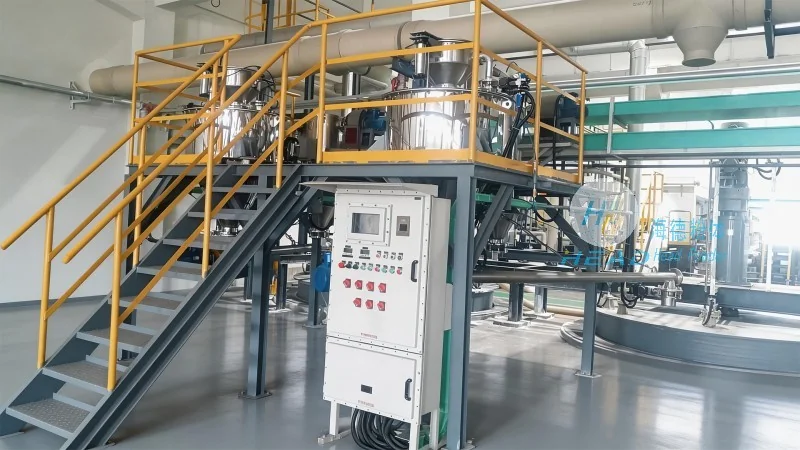
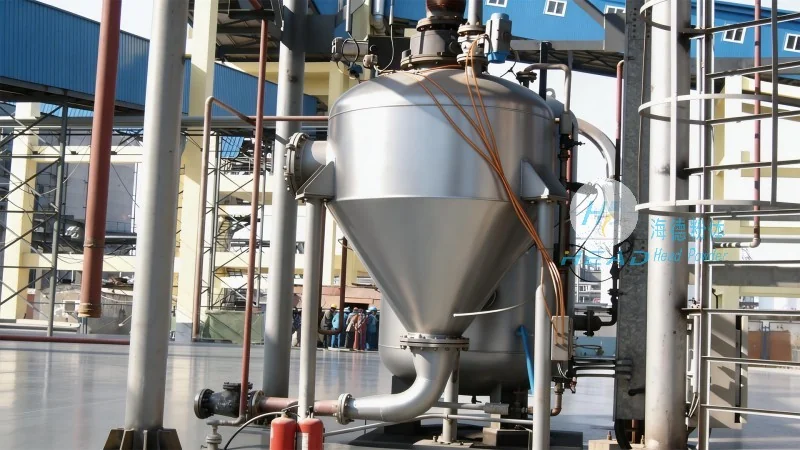
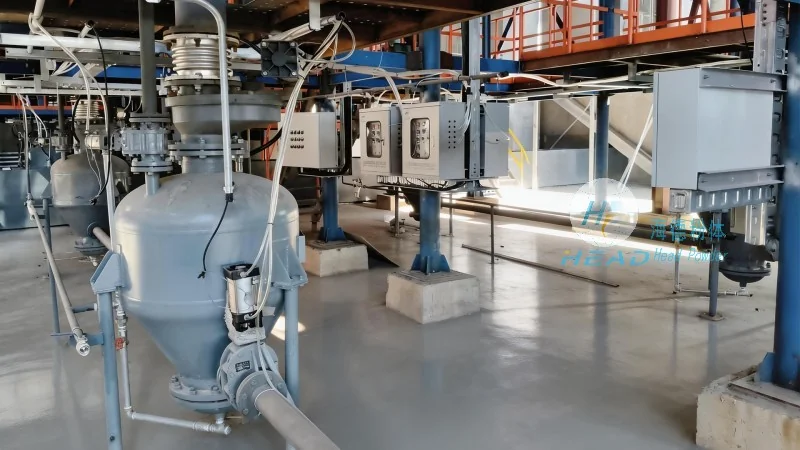
Working Principle of Powder Pneumatic Conveying Systems
Powder pneumatic conveying systems operate on the principle of fluidization and pneumatic transport. When compressed air is introduced into the conveying line, it creates a low-pressure zone that draws the powder from the hopper or storage container into the pipeline. The air and powder mixture then travels through the system, with the air providing the necessary kinetic energy to move the particles. The system typically includes components such as a blower, hopper, pipeline, and receiver, each playing a vital role in the overall process. The blower generates the required air pressure, the hopper holds the bulk powder, the pipeline transports the material, and the receiver collects the delivered powder at the destination. This integrated approach ensures a continuous and controlled flow of powder, minimizing material loss and optimizing throughput. There are two main types of pneumatic conveying systems: positive pressure and negative pressure. Positive pressure systems use a blower to push air and powder through the pipeline, while negative pressure systems use a vacuum to draw the material. The choice between these systems depends on factors such as the distance to be covered, the type of powder, and the required flow rate. Both types are effective in their respective applications, providing reliable and efficient material transport.
Key Features of Powder Pneumatic Conveying Systems
One of the primary advantages of powder pneumatic conveying systems is their high efficiency in transporting bulk materials over long distances. Unlike traditional mechanical conveyors, pneumatic systems can handle a wide range of powder types, from fine powders to granules, without causing segregation or degradation. The enclosed pipeline design also prevents dust emissions, making these systems ideal for applications requiring a clean and dust-free environment. Additionally, pneumatic conveying offers flexibility in system layout, as pipelines can be easily reconfigured or extended to accommodate changes in production processes. Another notable feature is the low maintenance requirement, as there are fewer moving parts compared to mechanical conveyors, reducing downtime and operational expenses. The systems also provide precise control over the flow rate and pressure, allowing for accurate dosing and material delivery. These features make powder pneumatic conveying systems a preferred choice for industries such as pharmaceuticals, food processing, and chemical manufacturing. For example, in pharmaceutical production, pneumatic conveying systems are used to transport active ingredients and excipients with high precision, ensuring product quality and compliance with regulatory standards. In food processing, these systems help maintain hygiene and prevent contamination, which is critical for consumer safety. In chemical manufacturing, the systems enable the handling of hazardous materials in a controlled environment, reducing the risk of accidents and exposure.