

Working Principle and Features of Calcium Hydroxide Pneumatic Conveying Equipment
Calcium hydroxide, commonly known as slaked lime, is a widely used chemical in various industrial applications. The efficient handling and transportation of this material are crucial for maintaining production efficiency and safety. Pneumatic conveying systems offer a reliable solution for moving calcium hydroxide from storage to processing units. This article explores the working principle and key features of such equipment, highlighting how it enhances operational performance.
Working Principle of Pneumatic Conveying Systems
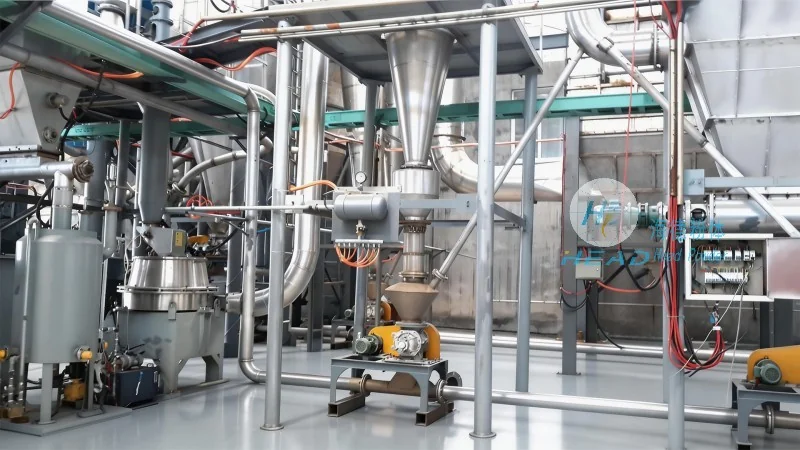
The core mechanism of pneumatic conveying for calcium hydroxide involves the use of air or gas to transport the material through a pipeline. The system typically consists of a hopper, a rotary valve, a conveyor line, and a receiver. When the material is released from the hopper, it is drawn into the conveyor line by the moving air stream. The air velocity is carefully controlled to ensure the material is carried without causing excessive wear or blockages. The process can be either pressure or vacuum-based, depending on the specific application requirements. The pressure system uses compressed air to push the material forward, while the vacuum system pulls the material through the line using a vacuum pump. This dual approach allows for flexible operation in different industrial settings.
Key Features of Calcium Hydroxide Pneumatic Conveying Equipment
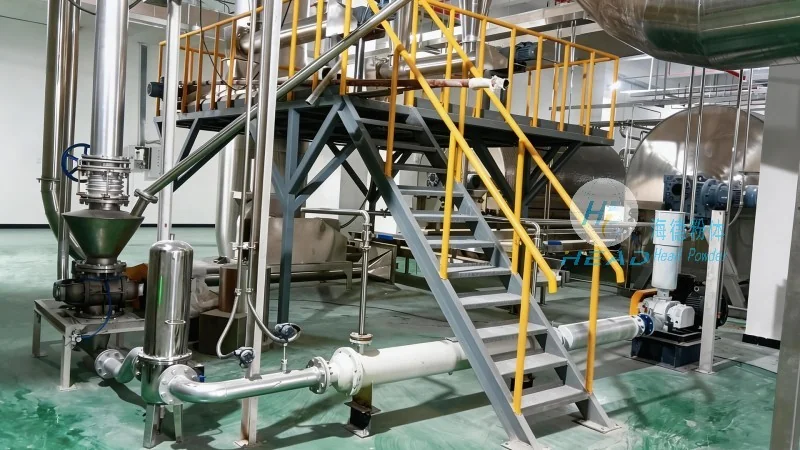
Several critical features distinguish high-quality pneumatic conveying systems for calcium hydroxide. Firstly, the equipment is designed to handle the abrasive nature of the material, ensuring long service life and minimal maintenance. The use of corrosion-resistant materials, such as stainless steel or special coatings, protects the system from chemical attack. Secondly, the system offers precise control over flow rates, allowing for accurate dosing and consistent material delivery. This is essential for processes where uniformity is critical, such as in chemical manufacturing or food processing. Thirdly, the equipment is equipped with safety features, including pressure relief valves and dust collection systems, to prevent accidents and maintain a safe working environment. Additionally, the modular design of the system enables easy integration with existing production lines, reducing installation time and costs.

Benefits of Using Pneumatic Conveying for Calcium Hydroxide
Implementing pneumatic conveying equipment for calcium hydroxide offers numerous advantages. The primary benefit is the elimination of manual handling, which reduces labor costs and minimizes the risk of workplace injuries. The automated system also improves operational efficiency by ensuring a continuous and consistent flow of material. Furthermore, the enclosed design of the conveying system prevents dust emissions, contributing to a cleaner and safer workplace. The system's ability to handle both dry and wet calcium hydroxide, depending on the configuration, provides flexibility in various applications. This adaptability makes it suitable for a wide range of industries, from construction to pharmaceuticals.
Application Examples in Industrial Settings
Pneumatic conveying systems are widely used in industries that rely on calcium hydroxide. In the construction industry, the material is often used as a component in cement and mortar production. The conveying equipment ensures that the calcium hydroxide is delivered to the mixing units without any loss or contamination. In the chemical industry, it is used in the production of various compounds, and the system maintains the purity of the material throughout the process. The pharmaceutical industry also utilizes calcium hydroxide in the formulation of certain drugs, where the system's precision and cleanliness are paramount. Each application benefits from the consistent and reliable delivery provided by the pneumatic conveying equipment.
Conclusion and Company Information
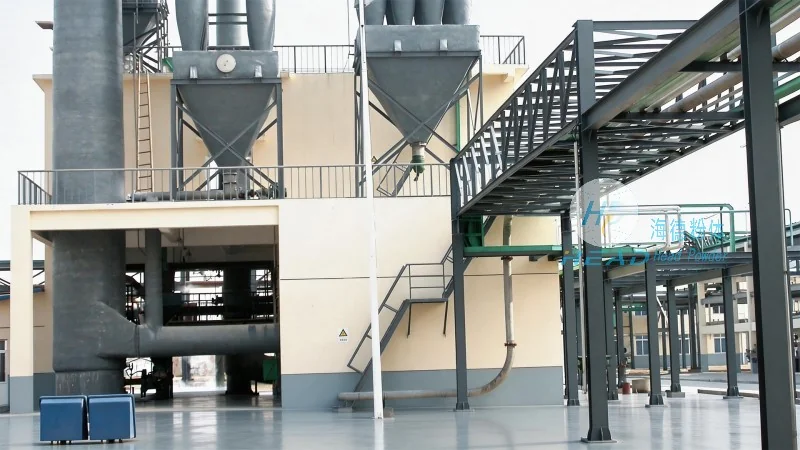
Calcium hydroxide pneumatic conveying equipment is a vital component in modern industrial operations, offering efficient, safe, and reliable material handling solutions. The working principle, which relies on air or gas to transport the material, combined with key features like durability, precision, and safety, makes it an ideal choice for various applications. Shandong HeadPowder Engineering Co., Ltd., based in China, specializes in designing and manufacturing such equipment, ensuring that clients receive high-quality solutions tailored to their specific needs. With a focus on innovation and customer satisfaction, the company provides comprehensive support, including installation and maintenance services, to enhance the performance of the conveying systems. The equipment's ability to handle the unique characteristics of calcium hydroxide, such as its abrasive nature and varying moisture content, underscores its effectiveness in maintaining production efficiency and safety.