

Working Principle and Features of Diatomite Pneumatic Conveying Equipment
For industrial applications involving the handling of diatomite, the selection of an efficient and reliable conveying system is crucial. Diatomite, a natural sedimentary rock composed of fossilized diatoms, is widely used in various industries such as filtration, cosmetics, and construction due to its unique properties. The pneumatic conveying equipment designed specifically for diatomite offers a solution that ensures safe, clean, and efficient material transport. This article delves into the working principle and key features of diatomite pneumatic conveying equipment, providing insights into how it operates and the advantages it brings to industrial processes.
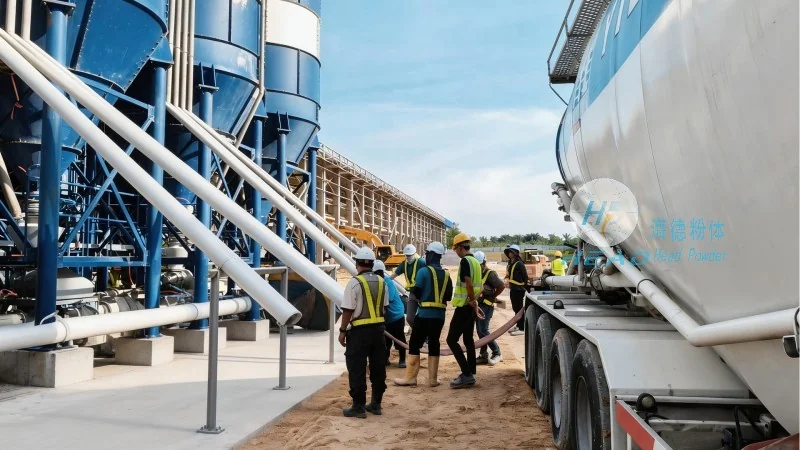
About the Manufacturer: Shandong HeadPowder Engineering Co., Ltd.
HeadPowder, the brand under Shandong HeadPowder Engineering Co., Ltd., is a leading manufacturer in the field of industrial conveying solutions. With a strong commitment to quality and innovation, the company specializes in designing and producing equipment tailored to the specific needs of various industries. HeadPowder's expertise in material handling technology ensures that their diatomite pneumatic conveying systems are built to withstand the demands of industrial environments while maintaining high performance standards. The company's headquarters is located in Shandong, China, where it operates a state-of-the-art manufacturing facility equipped with advanced technology and skilled professionals.
Understanding Pneumatic Conveying Systems
Pneumatic conveying, also known as air conveying, is a method of transporting bulk materials through a pipeline using a stream of air. This technology is particularly suitable for handling fine powders like diatomite, which can be prone to dust and clogging in traditional mechanical systems. The system operates by creating a pressure differential within the pipeline, either by using a positive pressure (blowing air into the material) or a negative pressure (sucking material into the air stream). The choice between positive and negative pressure depends on the specific characteristics of the material, the distance to be conveyed, and the overall system design.
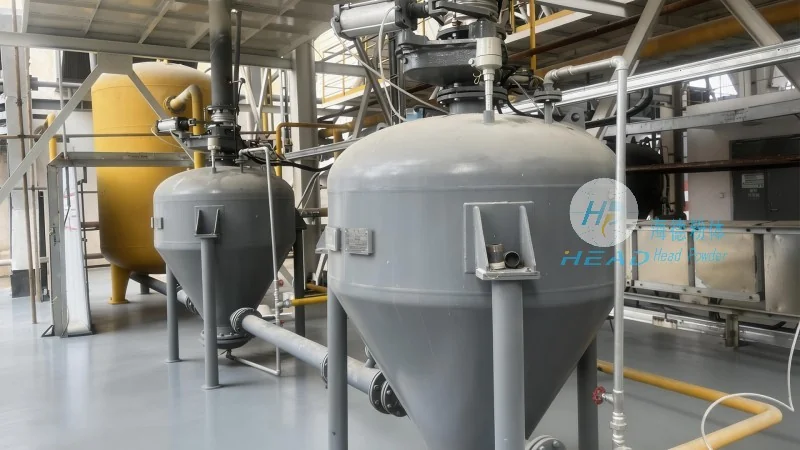
The Working Principle of Diatomite Pneumatic Conveying Equipment
The working principle of diatomite pneumatic conveying equipment involves several key components and processes. The system typically consists of a hopper for material storage, a feeder to control the flow rate, a conveying line, and a receiver for the discharged material. The process begins with the diatomite being fed into the hopper. The feeder then regulates the material flow into the conveying line, where it is mixed with an air stream. The air stream, generated by a blower or fan, propels the diatomite particles through the pipeline. The velocity of the air is carefully controlled to ensure that the material is conveyed without causing excessive wear on the equipment or damaging the diatomite particles. The receiver at the end of the line collects the conveyed material, and the air is either filtered and recycled or vented to the atmosphere, depending on the system configuration.
Key Features of Diatomite Pneumatic Conveying Equipment
HeadPowder's diatomite pneumatic conveying equipment is designed with several features that enhance its performance and reliability. One of the primary features is the use of high-quality materials for the construction of the conveying line and components, such as stainless steel or special alloys, which are resistant to corrosion and wear caused by the diatomite particles. The equipment also incorporates advanced control systems that allow for precise regulation of the air flow and material feed rate, ensuring consistent and efficient operation. Additionally, the system is equipped with dust collection and filtration mechanisms to maintain a clean working environment and comply with environmental regulations. The design of the equipment also considers the unique properties of diatomite, such as its light weight and fine particle size, to optimize the conveying process and minimize energy consumption.
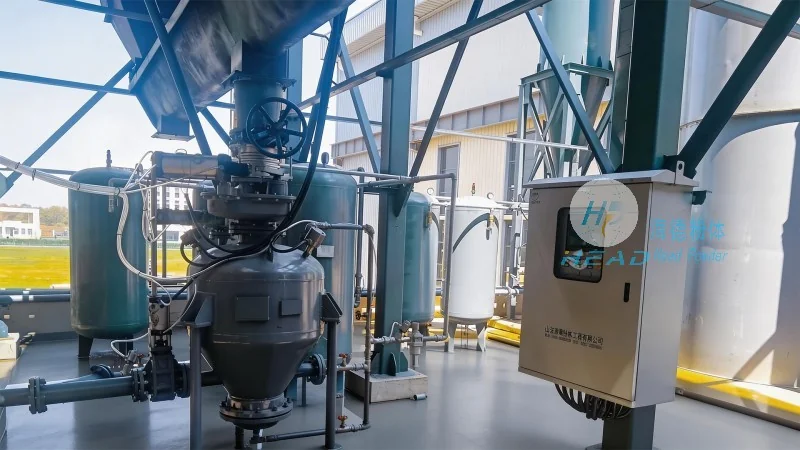
Advantages of Using Diatomite Pneumatic Conveying Equipment
Implementing diatomite pneumatic conveying equipment offers several advantages over traditional mechanical conveying methods. Firstly, it provides a dust-free and clean operation, which is essential for industries where contamination control is critical, such as in the production of cosmetics or pharmaceuticals. Secondly, the system is capable of conveying diatomite over long distances without the need for multiple transfer points, reducing the risk of material degradation and loss. Thirdly, the equipment is relatively easy to install and maintain, with minimal moving parts that require regular servicing. Finally, the use of pneumatic conveying reduces the need for manual handling, improving workplace safety and reducing labor costs.
Conclusion
In conclusion, diatomite pneumatic conveying equipment from Shandong HeadPowder Engineering Co., Ltd. represents a sophisticated solution for the efficient and safe handling of diatomite in industrial applications. By understanding the working principle and leveraging the key features of these systems, industries can enhance their operational efficiency, maintain product quality, and ensure compliance with environmental standards. HeadPowder's commitment to quality and innovation makes their diatomite pneumatic conveying equipment a reliable choice for businesses seeking to optimize their material handling processes.