

What is the pneumatic conveying of light calcium carbonate material? What are the design principles?
Light calcium carbonate is a widely used industrial material, and its efficient transportation is crucial for production processes. Pneumatic conveying is a key technology for handling such materials, offering advantages like dust-free operation and flexible system design. This article explores the concept of pneumatic conveying for light calcium carbonate and delves into the fundamental design principles that ensure effective and reliable material transport, as provided by Shandong HeadPowder Engineering Co., Ltd., a leading provider of material handling solutions in China.
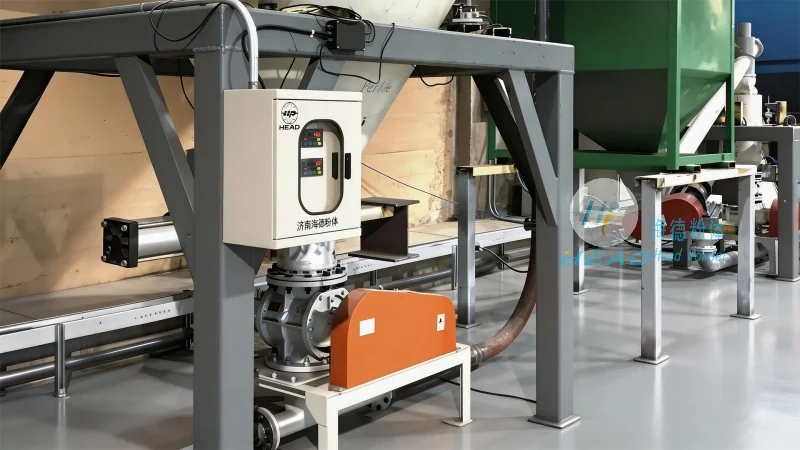
Understanding Pneumatic Conveying of Light Calcium Carbonate
Pneumatic conveying involves the use of air or other gases to transport bulk materials through a pipeline system. For light calcium carbonate, which is typically a fine powder with low bulk density, this method is particularly effective. The process relies on creating a pressure differential or using vacuum to move the material along the pipeline, often in conjunction with a carrier gas such as air. This approach eliminates the need for mechanical components like conveyor belts or buckets, reducing maintenance and improving operational safety.
The Role of Carrier Gas and Material Properties
The success of pneumatic conveying for light calcium carbonate depends heavily on the properties of both the material and the carrier gas. Light calcium carbonate particles are generally small and have a relatively low density, which can lead to issues like particle segregation or blockages if the conveying system is not properly designed. The carrier gas must be selected to match the material's characteristics—for example, air is commonly used due to its availability and low cost, but in some cases, inert gases or other gases may be required to prevent oxidation or other chemical reactions. The flow rate of the carrier gas is critical; it must be sufficient to maintain the material in suspension but not so high as to cause excessive energy consumption or particle attrition.
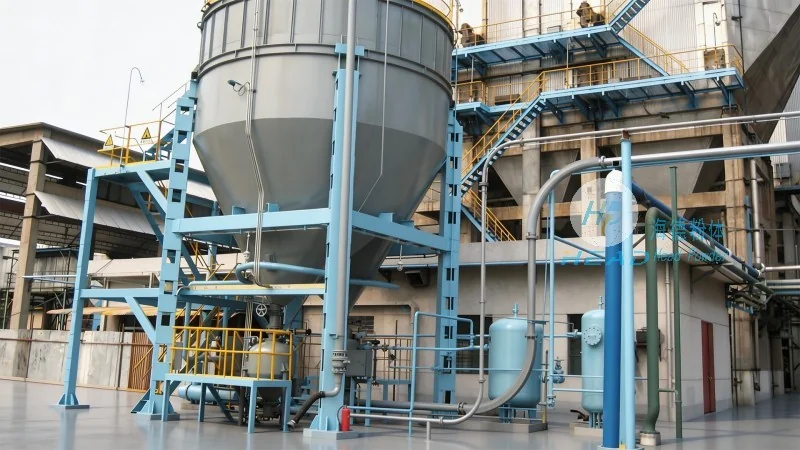
Design Principles for Pneumatic Conveying Systems
Designing an effective pneumatic conveying system for light calcium carbonate requires careful consideration of several key factors. The first is the system configuration, which can be classified as either pressure or vacuum systems. Pressure systems use positive pressure to push material through the pipeline, while vacuum systems use negative pressure to pull material. For light calcium carbonate, pressure systems are often preferred due to their ability to handle longer distances and higher material loads. The pipeline layout, including the number of bends, elbows, and expansion joints, must be optimized to minimize pressure drop and prevent material deposition. Additionally, the choice of pipeline material is important; materials like stainless steel or special coatings are used to prevent corrosion and ensure the material does not adhere to the pipe walls.
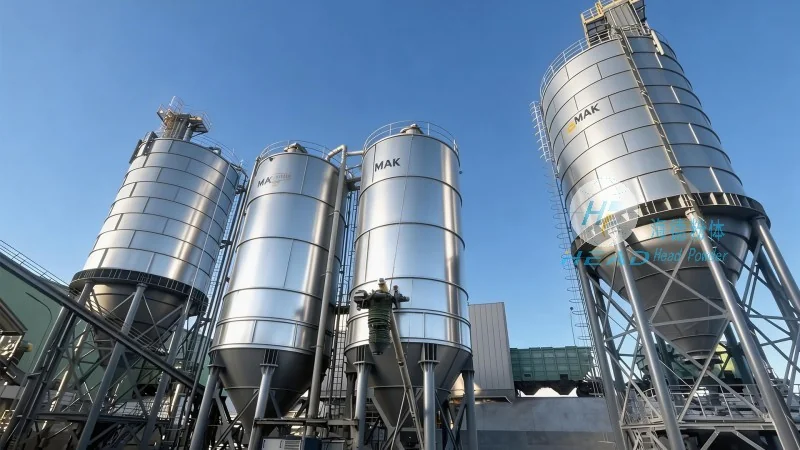
Key Components and Their Functions
A pneumatic conveying system for light calcium carbonate typically includes several key components. The material feed hopper is responsible for storing and feeding the material into the system, often equipped with a feeder that controls the flow rate. The air compressor or vacuum pump provides the necessary pressure or vacuum to move the material. The pipeline connects the various components and transports the material from the feed point to the discharge point. The discharge unit, such as a rotary valve or a dust collector, controls the release of the material and prevents backflow. The dust collector is particularly important for light calcium carbonate, as it captures any particles that escape the system and prevents dust emissions.
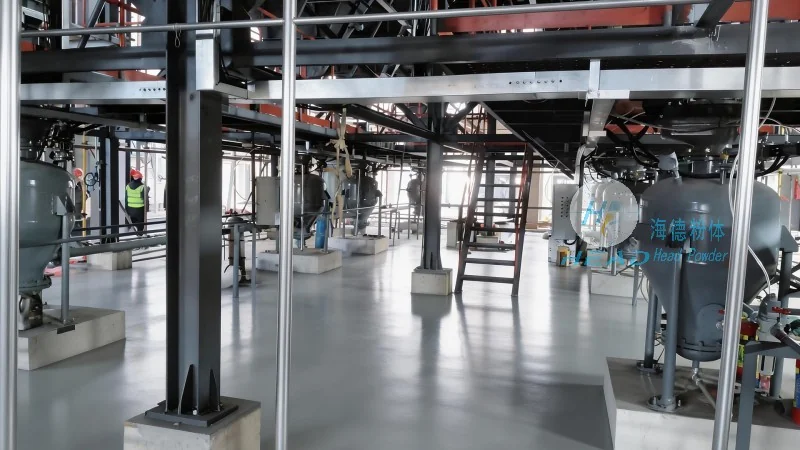
Advantages and Challenges of Pneumatic Conveying
Pneumatic conveying offers several advantages for light calcium carbonate transportation, including dust-free operation, which improves workplace safety and environmental compliance. It also allows for flexible system layouts, as the pipeline can be arranged to fit the production facility's layout. However, there are also challenges to consider. The high energy consumption of pneumatic systems can increase operational costs, and the risk of material blockages or pipeline wear requires regular maintenance. Additionally, the system must be designed to handle the specific properties of light calcium carbonate, such as its fine particle size and low bulk density, to ensure efficient and reliable operation.
Conclusion
Pneumatic conveying is a vital technology for the efficient and safe transportation of light calcium carbonate. By understanding the design principles and key components involved, manufacturers can optimize their systems to meet the specific needs of their production processes. The technology offers significant advantages over traditional methods, making it a preferred choice for many industrial applications. As the demand for light calcium carbonate continues to grow, the importance of effective pneumatic conveying systems will only increase, ensuring that material transport remains a reliable and efficient part of the production cycle. Shandong HeadPowder Engineering Co., Ltd. specializes in providing customized pneumatic conveying solutions tailored to the unique requirements of light calcium carbonate applications, with facilities located in Shandong, China.