

What is a Dust-Free Material Feeding and Conveying Line? What are its Design Principles?
For industries that require high-purity materials, maintaining a clean environment is paramount. A dust-free material feeding and conveying line is a specialized system designed to handle powders and bulk materials without introducing contaminants or generating dust. This article explores the concept of such a line and its underlying design principles, highlighting the importance of precision and contamination control in modern material handling.
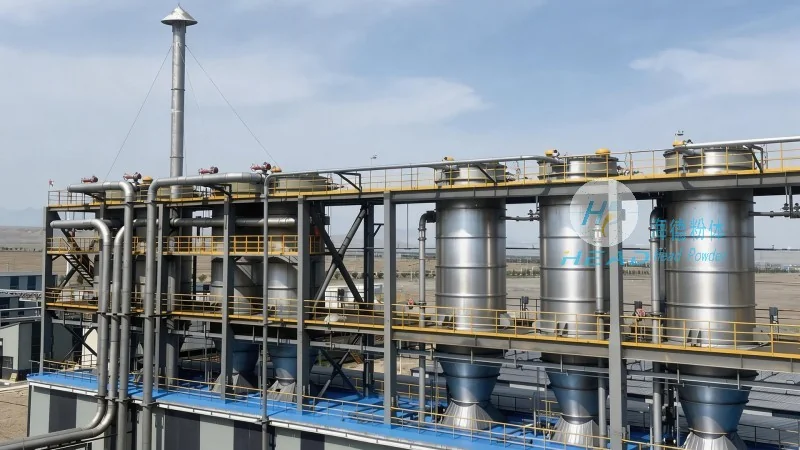
Understanding the Dust-Free Material Feeding and Conveying Line
A dust-free material feeding and conveying line is a comprehensive system engineered to transport bulk materials, such as powders, granules, or fine particles, from storage to processing equipment while ensuring that the material remains free from contamination and that the surrounding environment remains clean. The primary goal is to prevent dust generation, which can compromise product quality and pose health risks. These systems are commonly used in pharmaceuticals, food processing, and high-tech manufacturing where purity is critical.
Key Components of a Dust-Free Material Feeding and Conveying Line
The effectiveness of a dust-free material feeding and conveying line relies on several key components that work in tandem to maintain a clean and controlled environment. These components include:
1. Sealed Hoppers and Bins: These containers are designed to store raw materials and are equipped with airtight seals to prevent dust from escaping and external contaminants from entering. The hoppers often feature a discharge valve that allows material to flow into the feeding system without opening the container.
2. Feeding Equipment: This includes devices like rotary valves, screw feeders, or vibratory feeders that control the flow rate of the material from the hopper to the conveyor. The feeding equipment is typically integrated with the hopper to maintain a sealed system.
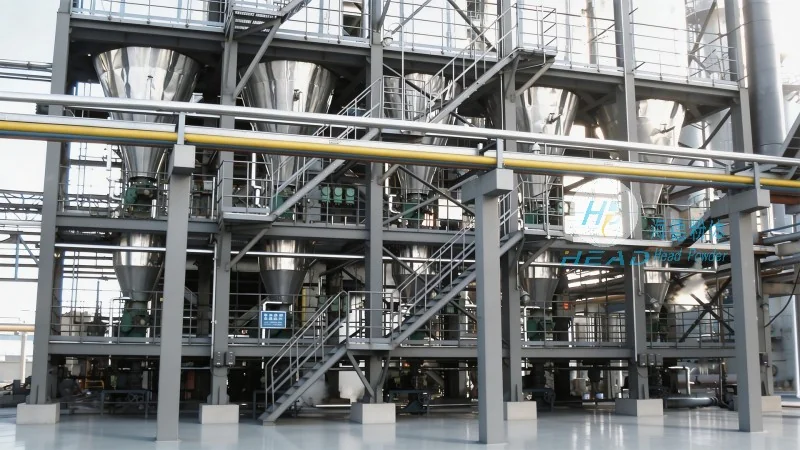
3. Dust Extraction and Filtration Systems: To capture any dust that may be generated during the feeding process, these systems use suction and filtration to remove airborne particles. The extracted dust is then returned to the material stream or disposed of safely, ensuring no loss of product and maintaining a clean environment.
4. Conveying Equipment: The material is transported through enclosed or sealed conveyors, such as pneumatic conveying lines or enclosed belt conveyors. These conveyors prevent dust from escaping and protect the material from external contamination.
5. Control and Monitoring Systems: Modern dust-free systems are equipped with sensors and control panels to monitor parameters like pressure, flow rate, and dust levels. This allows for real-time adjustments to maintain optimal performance and prevent issues before they arise.
Design Principles for Optimal Performance
The design of a dust-free material feeding and conveying line follows several core principles to ensure efficiency, safety, and product purity. These principles include:
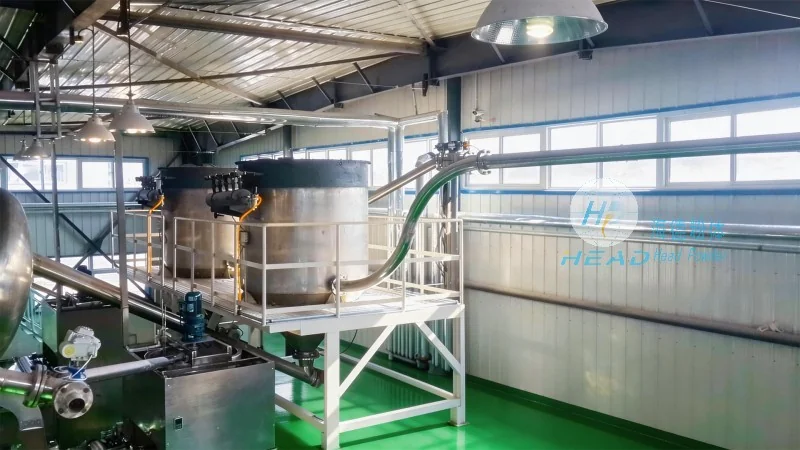
1. Containment and Sealing: Every component of the system is designed to be airtight and sealed. This prevents dust from escaping into the environment and external contaminants from entering the material stream. The use of gaskets, seals, and proper assembly is critical to maintaining a sealed system.
2. Material Flow Management: The system is designed to ensure smooth and consistent material flow. This includes proper hopper design to prevent material bridging or caking, which can cause uneven flow and dust generation. The feeding equipment is calibrated to match the conveyor's capacity, preventing overfeeding or underfeeding.
3. Dust Control and Filtration: The system incorporates effective dust extraction and filtration to capture any particles that may be generated. The filtration system is typically designed to meet specific industry standards for particle size and purity, ensuring that the material remains clean throughout the process.
4. Energy Efficiency: Modern designs aim to minimize energy consumption while maintaining performance. This includes using efficient motors, optimizing conveyor speeds, and reducing unnecessary movements in the system.
5. Modularity and Scalability: The system is often designed as a modular unit, allowing for easy expansion or modification as production needs change. This flexibility ensures that the system can adapt to future requirements without significant redesign.
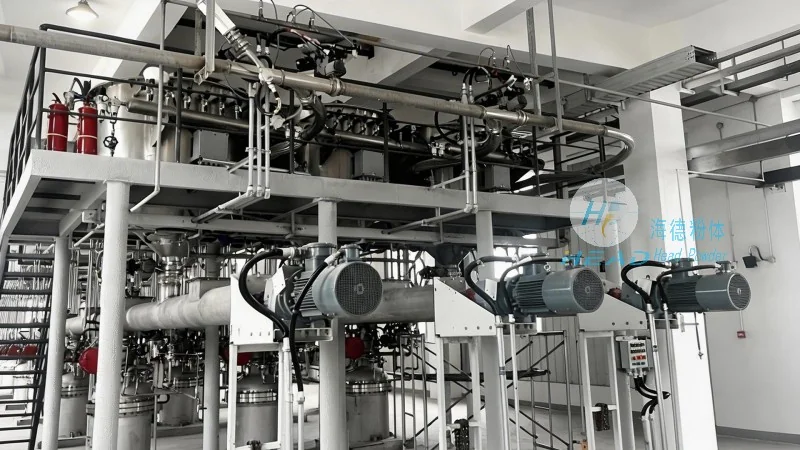
Applications and Benefits
Dust-free material feeding and conveying lines are essential in industries where product purity and environmental control are non-negotiable. The benefits of such systems extend beyond just maintaining a clean environment; they also contribute to improved product quality, reduced waste, and enhanced operational efficiency.
For example, in the pharmaceutical industry, a dust-free system ensures that active pharmaceutical ingredients (APIs) remain free from contaminants, which is critical for patient safety and regulatory compliance. In the food industry, these systems prevent cross-contamination and maintain the integrity of food products, meeting stringent food safety standards.
Additionally, the use of dust-free systems can reduce the risk of occupational health issues related to dust exposure, such as respiratory problems, and minimize the need for extensive cleaning and maintenance, leading to lower operational costs over time.
Conclusion
A dust-free material feeding and conveying line is a sophisticated system that combines engineering expertise with strict design principles to handle bulk materials in a clean and controlled manner. By focusing on containment, material flow management, and effective dust control, these systems ensure that materials remain pure and the environment remains safe. For industries that demand the highest standards of quality and safety, investing in a well-designed dust-free system is a critical step toward achieving operational excellence.