With more than 10‑year industry experience, Shandong Headpowder delivers full‑service pneumatic‑conveying systems and blowers, undertaking nationwide turn‑key powder‑handling projects.
For industrial operations that demand precision, efficiency, and consistency in material handling, the automatic material feeding and conveying line emerges as a critical solution. This system is engineered to automate the process of transporting, measuring, and dispensing raw materials or components, ensuring that each step from input to output is executed with minimal human intervention. The core function of such a line is to streamline production workflows, reduce errors, and enhance overall productivity in manufacturing environments.
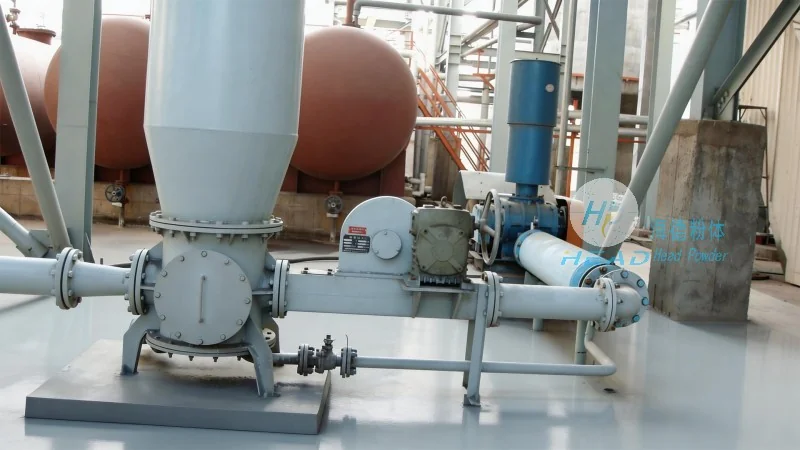
The design of an automatic material feeding and conveying line is built upon several fundamental principles that ensure optimal performance and adaptability to diverse industrial needs. First, the system must incorporate robust material handling mechanisms capable of handling various types of materials, including powders, granules, or bulk solids. This involves the use of specialized components like hoppers, feeders, and conveyors that are designed to prevent material degradation, segregation, or loss during transport. Second, precision measurement and control are paramount. Modern systems utilize advanced sensors and control systems to accurately measure and dispense materials, often with tight tolerances that meet stringent quality standards. Third, the integration of automation and programmability allows for flexibility in production, enabling quick adjustments to batch sizes or material types without extensive reconfiguration. Finally, the design prioritizes safety and reliability, incorporating features like overload protection, emergency stops, and regular maintenance alerts to ensure continuous operation and operator safety.
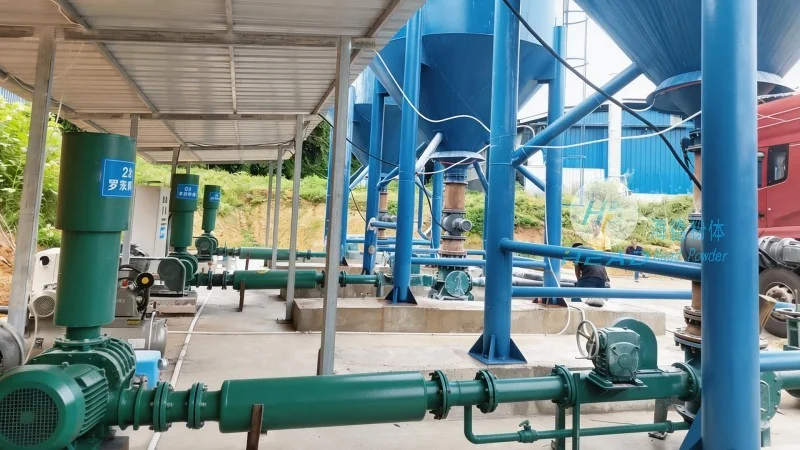
At the heart of an automatic material feeding and conveying line are several interconnected components that work in tandem to achieve seamless material flow. The primary components typically include a material hopper, which stores the raw material and feeds it into the system. A feeder, such as a rotary valve or a screw feeder, then regulates the flow of material into the conveying mechanism. The conveyor system, which may consist of belt conveyors, pneumatic conveying lines, or screw conveyors, transports the material to the processing or packaging stations. Additionally, the system may incorporate weighing scales or volumetric meters to ensure accurate measurement and dosing. Control systems, often integrated with PLCs (Programmable Logic Controllers) or SCADA (Supervisory Control and Data Acquisition) software, manage the entire operation, coordinating the movement of materials, monitoring performance, and providing real-time data for process optimization.
The automatic material feeding and conveying line finds extensive applications across various industries, including pharmaceuticals, food processing, chemical manufacturing, and bulk material handling. In the pharmaceutical industry, for instance, such systems are crucial for ensuring the precise dosing of active ingredients, maintaining sterile conditions, and adhering to stringent regulatory requirements. In food processing, they help maintain hygiene standards while efficiently handling ingredients like powders or granules. The benefits of implementing this technology extend beyond efficiency; it also reduces labor costs, minimizes human error, and improves product consistency. Furthermore, the system’s ability to integrate with other production equipment allows for a more streamlined and automated manufacturing process, enhancing overall operational efficiency and reducing downtime.
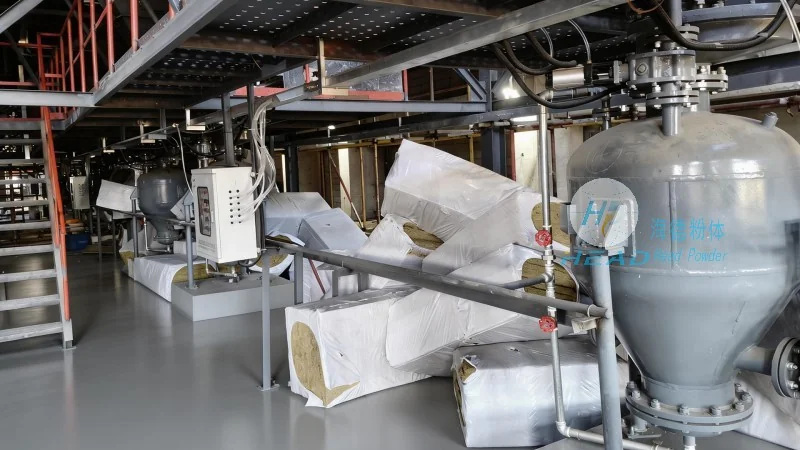
As a leading provider of industrial material handling solutions, Shandong HeadPowder Engineering Co., Ltd. specializes in designing, manufacturing, and supplying high-quality automatic material feeding and conveying lines. With a strong commitment to innovation and customer satisfaction, the company leverages advanced engineering and manufacturing capabilities to deliver tailored solutions that meet the unique needs of its clients. HeadPowder’s expertise lies in understanding the diverse requirements of different industries and translating them into robust, reliable, and efficient material handling systems. The company’s products are engineered to enhance productivity, ensure product quality, and provide long-term value to its customers. Based in Shandong, China, HeadPowder serves a global clientele, offering comprehensive support from initial consultation to installation and after-sales service. By combining technical expertise with a customer-centric approach, HeadPowder continues to be a trusted partner in the industrial material handling sector.

 Shandong Headpowder Engineering Co., Ltd.
 156-6277-7102(Manager Zhang)
  0531-83386006
  Zhangqiu District, Jinan City, Shandong Province, China
telephone
WeChatconsult
top