

What is a Carbon Additive Powder Material Handling System? What Are Its Design Principles?
Carbon additive powder material handling systems are specialized equipment designed to transport and manage carbon additive powders, which are crucial in various industrial applications such as steelmaking, foundry, and metallurgy. These systems are engineered to ensure efficient, safe, and reliable movement of carbon additive powders from storage to processing points, addressing the unique challenges posed by the material's fine particle size, dust generation, and potential reactivity. Understanding the design principles behind these systems is essential for optimizing performance, minimizing operational risks, and meeting production requirements in industrial settings.
Understanding the Core Components of a Carbon Additive Powder Material Handling System
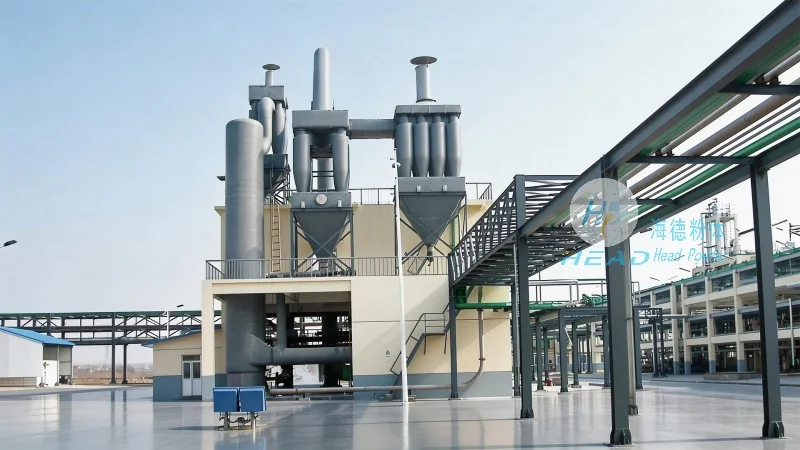
A typical carbon additive powder material handling system comprises several key components that work in tandem to achieve effective material transport. The system starts with a storage hopper or silo, which is designed to hold the carbon additive powder in a controlled environment, often equipped with aeration or vibration systems to prevent caking and ensure consistent material flow. From the storage hopper, a feeder mechanism, such as a rotary valve or a screw feeder, regulates the flow of powder into the conveying line. This feeder is critical as it controls the rate of material discharge, preventing overloading or underloading of the conveyor system. The conveying line itself is a central component, which can be either pneumatic (air-assisted) or mechanical (e.g., belt conveyors, bucket elevators). Pneumatic systems use compressed air to move the powder through a pipeline, while mechanical systems rely on physical movement of the material along a conveyor belt or chain. The choice between these systems depends on factors like the material's properties, the distance to be conveyed, and the required flow rate. At the receiving end, a discharge hopper or a processing unit receives the carbon additive powder, completing the material handling cycle. Each component is carefully selected and integrated to ensure seamless operation and minimal material loss or contamination.
Design Principles for Efficient and Safe Carbon Additive Powder Handling
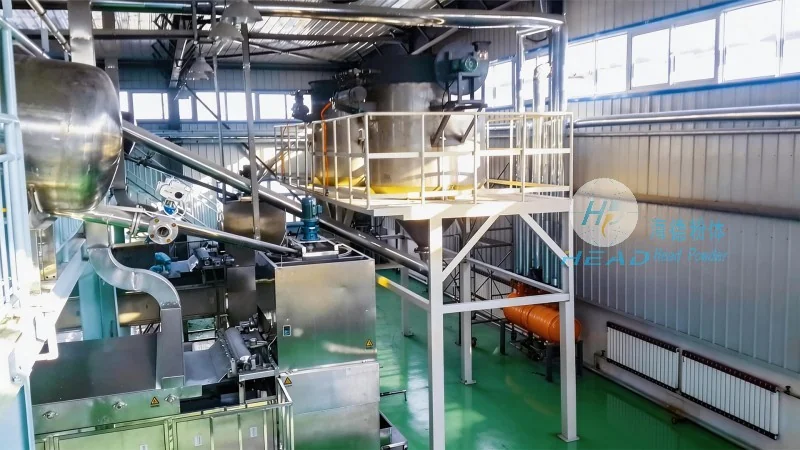
The design of a carbon additive powder material handling system is guided by several fundamental principles aimed at optimizing performance, ensuring safety, and maintaining material integrity. One of the primary principles is the prevention of dust generation and accumulation, which is critical due to the fine particle size of carbon additive powders. This is achieved through the use of sealed systems, proper sealing of hoppers and feeders, and the incorporation of dust collection systems. Sealed hoppers and feeders prevent the escape of fine particles into the environment, reducing the risk of inhalation hazards and material loss. Additionally, the system is designed to minimize the impact of static electricity, which can cause powder explosion or fire hazards. This is done by grounding components and using anti-static materials in the construction of the equipment. Another key principle is the control of material flow and pressure. The system is engineered to maintain consistent flow rates, which is essential for maintaining production efficiency and preventing equipment overload. This is achieved through the use of variable speed drives for feeders and conveyors, allowing operators to adjust the flow rate based on production demands. The design also considers the material's properties, such as its density, flowability, and moisture content, to ensure that the system can handle the specific characteristics of the carbon additive powder without causing blockages or degradation. Furthermore, the system is designed for easy maintenance and cleaning, with components that can be easily accessed and cleaned to prevent material buildup and ensure long-term operational reliability. The integration of these design principles results in a system that is not only efficient in transporting carbon additive powders but also safe for operators and the environment.
Applications and Benefits of Carbon Additive Powder Material Handling Systems
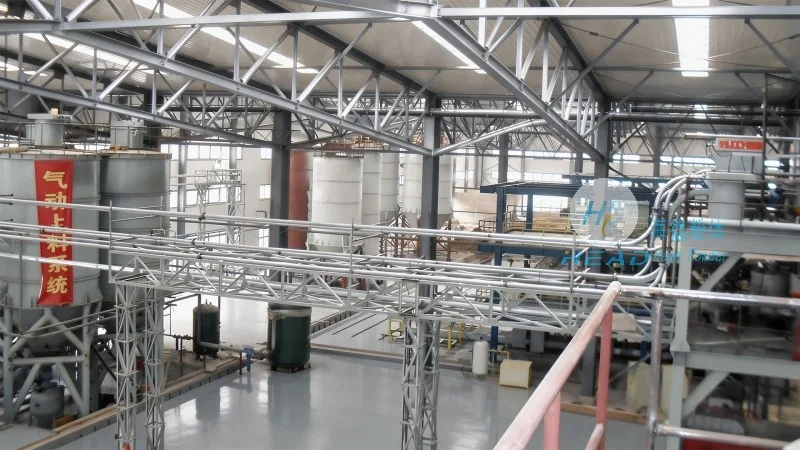
Carbon additive powder material handling systems are widely used in various industrial applications where carbon additive powders are a critical component. In steelmaking, these systems are used to transport carbon additive powders to the blast furnace or electric arc furnace, where they are added to the molten steel to adjust its carbon content. The efficient handling of these powders is essential for maintaining the quality of the steel and ensuring consistent production. In foundry applications, the systems are used to transport carbon additive powders to the molding process, where they are added to the sand mixture to improve the properties of the castings. The ability to handle these powders in a controlled manner ensures that the castings have the desired mechanical properties and surface finish. In metallurgy, the systems are used in the production of various metal alloys, where carbon additive powders are used to adjust the chemical composition of the alloys. The benefits of using these systems are significant, as they improve production efficiency, reduce material waste, and enhance safety in the workplace. By ensuring the consistent and reliable transport of carbon additive powders, these systems help manufacturers meet their production targets and maintain high-quality standards. Additionally, the use of advanced materials and design techniques in these systems has led to improved performance and reduced operational costs over time.
About Shandong HeadPowder Engineering Co., Ltd.
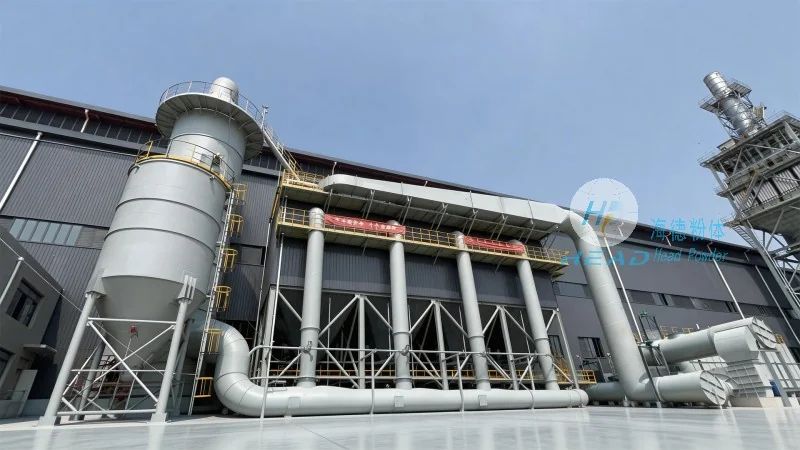
Shandong HeadPowder Engineering Co., Ltd., commonly known as headpowder, is a leading manufacturer and supplier of carbon additive powder material handling systems. The company is headquartered in Shandong, China, and has a strong reputation for providing high-quality, reliable, and efficient material handling solutions to customers in various industries. HeadPowder specializes in the design, manufacturing, and installation of carbon additive powder handling systems, with a focus on meeting the specific needs of each customer. The company's team of engineers and technicians has extensive experience in the field of material handling and carbon additive applications, ensuring that each system is tailored to the customer's requirements. HeadPowder's commitment to quality and customer satisfaction has made it a trusted partner for many industrial companies, providing them with the equipment they need to optimize their production processes. The company's facilities are equipped with advanced manufacturing equipment and testing facilities, allowing them to produce high-quality systems that meet international standards. HeadPowder also provides after-sales support and maintenance services to ensure that its customers' systems operate at peak performance for years to come. With its strong reputation and expertise, Shandong HeadPowder Engineering Co., Ltd. is a leading player in the carbon additive powder material handling industry, providing innovative and reliable solutions to its customers.