With more than 10‑year industry experience, Shandong Headpowder delivers full‑service pneumatic‑conveying systems and blowers, undertaking nationwide turn‑key powder‑handling projects.
Steel sand pneumatic conveying systems represent a sophisticated method of material handling, particularly suited for transporting abrasive or high-density materials like steel sand. These systems utilize air pressure to move bulk materials through a network of pipes and components, offering advantages such as reduced labor costs, enhanced safety, and the ability to transport materials over long distances without the need for mechanical conveyors.
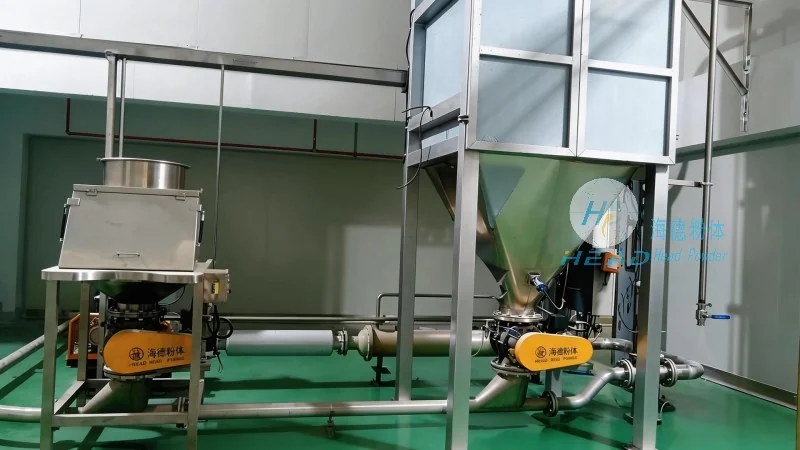
A typical steel sand pneumatic conveying system consists of several key components that work in concert to ensure efficient material transport. The primary elements include a material feed hopper, a blower or compressor to generate the necessary air pressure, a pipeline network, and a receiving hopper or silo. The feed hopper is designed to hold the steel sand and control the flow rate into the system. The blower or compressor provides the motive force, creating a pressure differential that propels the material through the pipes. The pipeline network is typically made of durable materials like stainless steel or high-grade plastic to withstand the abrasive nature of steel sand. The receiving hopper collects the material at the destination point, allowing for further processing or storage.
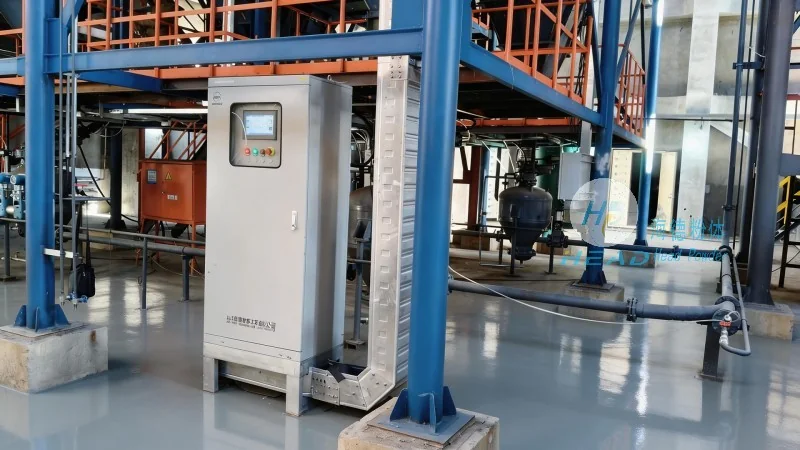
The design of a steel sand pneumatic conveying system is governed by several critical principles that ensure optimal performance and longevity. One of the most important principles is the selection of appropriate air velocity. The air velocity must be high enough to keep the steel sand particles suspended in the air stream but not so high as to cause excessive wear on the system components. Engineers typically calculate the required air velocity based on the particle size, density, and flow rate of the steel sand. Another key design principle is the consideration of pressure drop. The pressure drop along the pipeline must be minimized to maintain the necessary air pressure and avoid excessive energy consumption. This is achieved through the use of smooth pipe surfaces, appropriate pipe diameter, and minimal bends or fittings. Additionally, the system design must account for the abrasive nature of steel sand, which can cause wear on the blower, pipes, and other components. Therefore, materials with high wear resistance, such as stainless steel or specialized coatings, are often used in critical areas of the system.
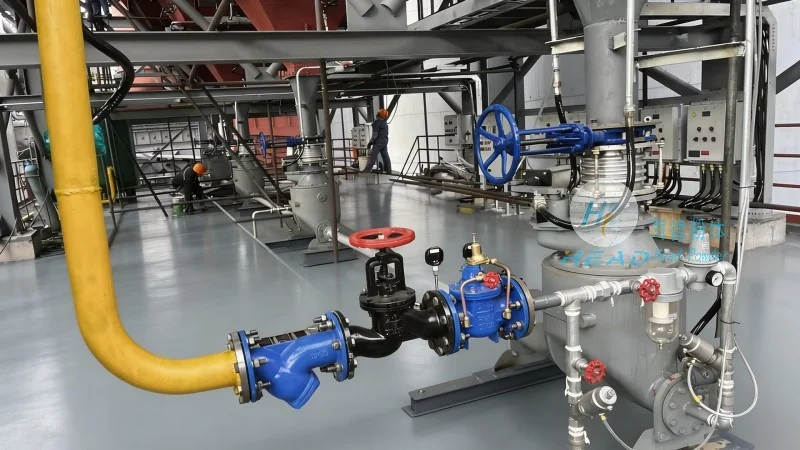
Shandong HeadPowder Engineering Co., Ltd., a leading manufacturer based in China, specializes in the design, manufacturing, and supply of steel sand pneumatic conveying systems. With years of experience in the industry, HeadPowder has developed a comprehensive range of equipment tailored to meet the specific needs of various industrial applications. The company's expertise lies in customizing systems to handle different steel sand compositions, flow rates, and operational requirements. HeadPowder's systems are known for their durability, efficiency, and reliability, making them a preferred choice for industries such as foundries, steel processing plants, and construction material manufacturers. The company's commitment to quality and innovation ensures that their products not only meet but often exceed industry standards, providing long-term value to their clients.
Implementing a steel sand pneumatic conveying system offers numerous advantages over traditional material handling methods. One of the most significant benefits is the reduction in labor costs. Unlike mechanical conveyors that require regular maintenance and manual intervention, pneumatic systems can operate with minimal human involvement, reducing the need for on-site labor. Additionally, these systems enhance workplace safety by eliminating the need for workers to handle heavy or abrasive materials manually. The enclosed pipeline system also prevents dust and debris from contaminating the work environment, improving air quality and reducing the risk of respiratory issues. Another advantage is the flexibility in system layout. Pneumatic conveying systems can be easily reconfigured or expanded to accommodate changes in production needs or facility layout, providing long-term adaptability. Furthermore, the systems are energy-efficient compared to some mechanical alternatives, as they can utilize the pressure differential to move materials with less energy consumption over time.
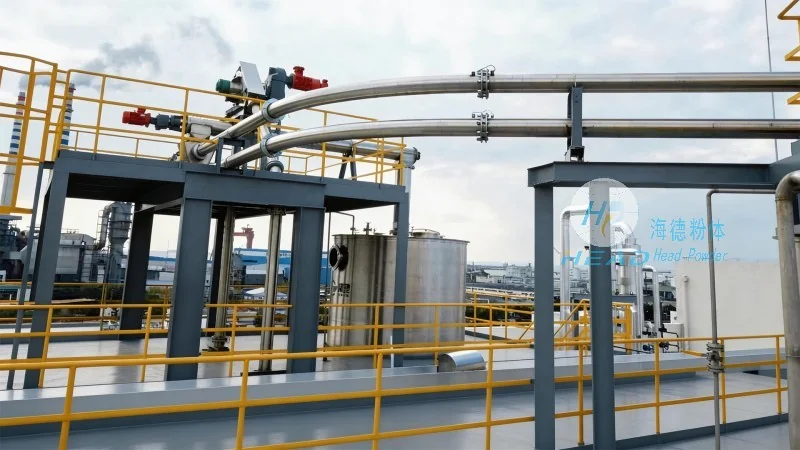
In conclusion, steel sand pneumatic conveying systems are a vital component in modern material handling, offering efficient and safe solutions for transporting abrasive materials like steel sand. The design principles, including appropriate air velocity, pressure management, and material compatibility, are crucial for ensuring the system's performance and longevity. Companies like Shandong HeadPowder Engineering Co., Ltd. play a pivotal role in providing these systems, leveraging their expertise to deliver customized solutions that meet the unique demands of various industries. By understanding the core components and design principles, industries can make informed decisions about implementing pneumatic conveying systems, ultimately improving operational efficiency and reducing costs.

 Shandong Headpowder Engineering Co., Ltd.
 156-6277-7102(Manager Zhang)
  0531-83386006
  Zhangqiu District, Jinan City, Shandong Province, China
telephone
WeChatconsult
top