With more than 10‑year industry experience, Shandong Headpowder delivers full‑service pneumatic‑conveying systems and blowers, undertaking nationwide turn‑key powder‑handling projects.
Calcium oxide, commonly known as quicklime, is a widely used chemical in various industrial processes. The efficient and safe transportation of calcium oxide dry powder is crucial for industrial operations. A specialized equipment designed for this purpose is the calcium oxide dry powder pneumatic conveying machine. This article will explore what this machine is and delve into its design principles.
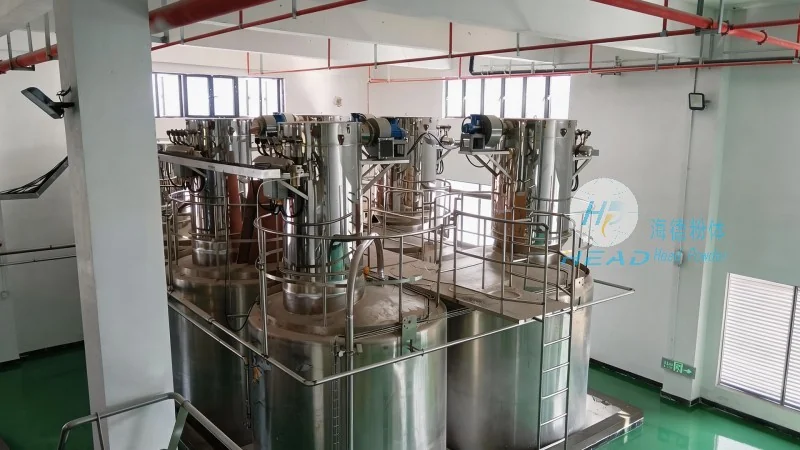
HeadPowder, a leading manufacturer based in Shandong, China, specializes in the development and production of advanced pneumatic conveying systems. With a strong commitment to quality and innovation, the company has established itself as a trusted provider of industrial equipment for the chemical and material handling sectors.
The calcium oxide dry powder pneumatic conveying machine is engineered to transport calcium oxide powder through a pipeline using a stream of air or other gas. This method, known as pneumatic conveying, offers several advantages over traditional mechanical conveying systems. It eliminates the need for moving parts in contact with the powder, reducing wear and tear and minimizing the risk of contamination. Additionally, pneumatic conveying allows for a more flexible and compact system layout, making it suitable for various industrial settings.
The calcium oxide dry powder pneumatic conveying machine consists of several key components that work together to ensure efficient and reliable operation. The main components include a hopper for storing the calcium oxide powder, a feeder to control the flow rate, a compressor or blower to generate the air flow, a pipeline system for transporting the powder, and a receiver or silo for collecting the material at the destination.
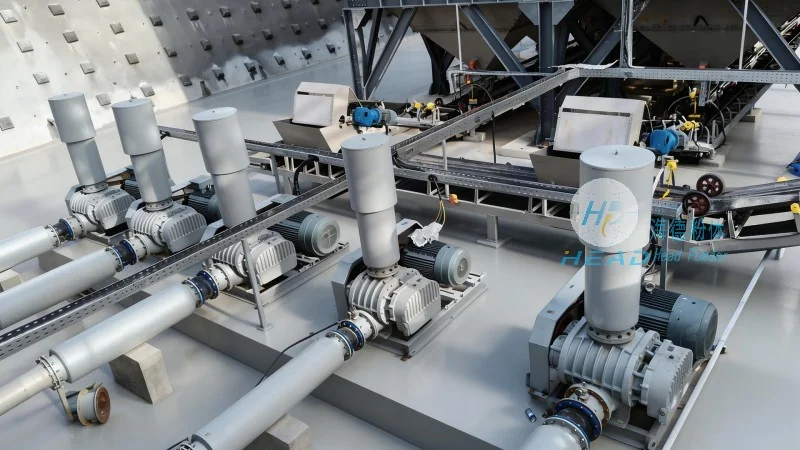
The working principle of the machine involves the following steps: First, the calcium oxide powder is fed from the hopper into the feeder. The feeder then regulates the powder flow into the pipeline. Simultaneously, the compressor or blower generates a high-pressure air stream that is introduced into the pipeline. The air stream creates a low-pressure zone within the pipeline, which draws the powder particles into the air stream. As the powder and air mixture travels through the pipeline, it is transported to the receiver or silo at the other end. The air is then separated from the powder in the receiver, and the powder is collected for further use.
Designing a calcium oxide dry powder pneumatic conveying machine requires careful consideration of several factors to ensure optimal performance and safety. One of the primary considerations is the particle size and properties of the calcium oxide powder. Calcium oxide particles are typically fine and can be abrasive, which may affect the material's flow characteristics and the wear on the conveying system components. Therefore, the design must account for the powder's density, moisture content, and flowability to prevent blockages and ensure smooth operation.
Another critical design aspect is the air flow rate and pressure. The air flow rate must be sufficient to entrain the powder particles and maintain a stable flow within the pipeline. Insufficient air flow can lead to powder deposition and blockages, while excessive air flow may cause excessive energy consumption and increased wear on the system. The pressure of the air stream is also important, as it determines the conveying distance and the overall efficiency of the system.
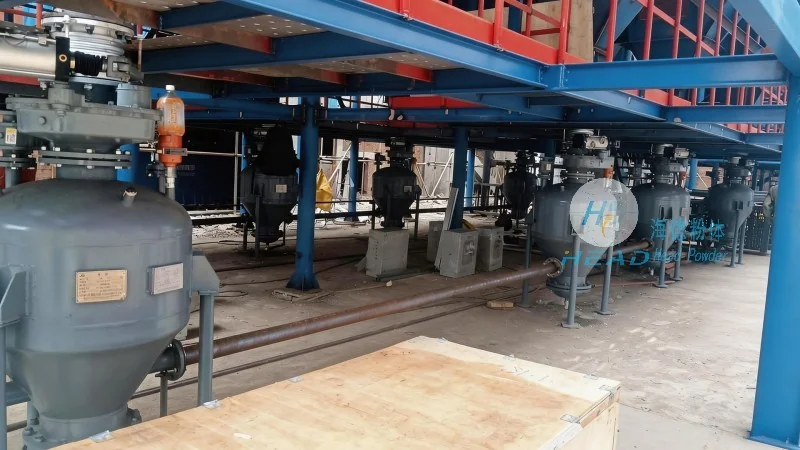
The material selection for the components of the pneumatic conveying machine is another key design consideration. Since calcium oxide is a reactive chemical, the equipment must be constructed from materials that are resistant to corrosion and chemical attack. Common materials used include stainless steel, special alloys, and high-quality plastics. The hopper, feeder, and pipeline are typically made from these materials to ensure durability and prevent contamination of the powder.
Implementing a calcium oxide dry powder pneumatic conveying machine offers numerous benefits for industrial applications. One of the most significant advantages is the reduction in dust generation and contamination. Unlike mechanical conveying systems, which can cause powder spillage and dust emissions, pneumatic conveying minimizes these issues by enclosing the powder within the pipeline. This not only improves workplace safety but also maintains the purity of the calcium oxide powder, which is essential for many industrial processes.
Another advantage is the flexibility and scalability of the system. The pneumatic conveying system can be easily expanded or modified to accommodate changes in production requirements. The pipeline layout can be adjusted to serve multiple destinations or to integrate with other processing equipment. This flexibility makes the system suitable for a wide range of industrial applications, from small-scale operations to large-scale production facilities.
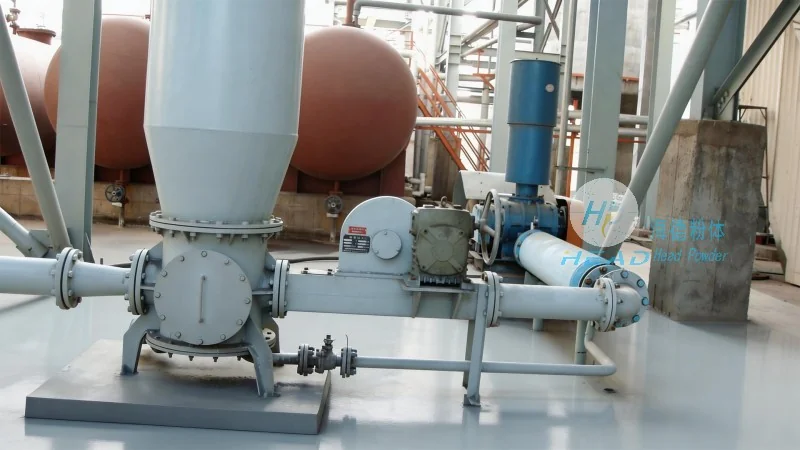
Furthermore, the calcium oxide dry powder pneumatic conveying machine offers improved energy efficiency compared to traditional conveying methods. By using a continuous air stream to transport the powder, the system minimizes the need for mechanical components that require constant maintenance and energy consumption. This results in lower operational costs and reduced environmental impact.
The calcium oxide dry powder pneumatic conveying machine is widely used in various industries that rely on calcium oxide as a raw material. Some of the key applications include the production of cement, steel, and glass, as well as in the chemical and pharmaceutical industries. In the cement industry, calcium oxide is used as a key component in the production of clinker, which is then processed into cement. In the steel industry, it is used for desulfurization and as a fluxing agent. The pharmaceutical industry also uses calcium oxide in the production of certain medications and supplements.
Due to its ability to handle fine powders and its ability to maintain the purity of the material, the calcium oxide dry powder pneumatic conveying machine is particularly valuable in industries where quality control is critical. The system ensures that the calcium oxide powder is transported without any contamination or degradation, which is essential for maintaining product quality and meeting regulatory standards.

 Shandong Headpowder Engineering Co., Ltd.
 156-6277-7102(Manager Zhang)
  0531-83386006
  Zhangqiu District, Jinan City, Shandong Province, China
telephone
WeChatconsult
top