

What is a Calcium Carbide Powder Pneumatic Conveying System? And What Are Its Design Principles?
For industrial applications involving the handling of calcium carbide powder, a specialized system known as a pneumatic conveying system is often employed. This equipment is designed to transport the fine, potentially reactive powder from one location to another within a facility, ensuring efficiency, safety, and minimal material loss. The system typically combines air flow with mechanical components to achieve the desired material movement, making it a critical piece of infrastructure in many manufacturing and processing environments.
Understanding the Core Components of the System
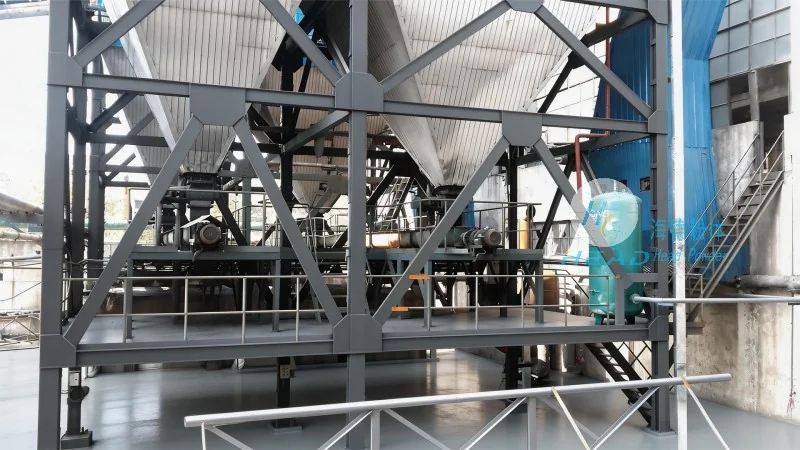
The calcium carbide powder pneumatic conveying system, developed by Shandong HeadPowder Engineering Co., Ltd., consists of several key components that work in concert to facilitate material transport. These components include a hopper or feeder for storing and metering the powder, a blower or compressor to generate the necessary air pressure, a pipeline network to direct the material and air, and a receiver or discharge point where the powder is deposited. Each component plays a vital role in maintaining the system's performance and reliability.
The Role of Air Pressure and Flow in Conveying
The effectiveness of the pneumatic conveying system heavily relies on the control of air pressure and flow rate. The system operates by creating a pressure differential between the feeding point and the discharge point. By adjusting the air pressure, operators can control the velocity of the powder-air mixture, which is crucial for preventing material degradation, clogging, or excessive energy consumption. Proper flow management ensures that the powder is transported at an optimal speed, minimizing the risk of particle separation or deposition within the pipeline.
Design Principles for Efficient Material Handling
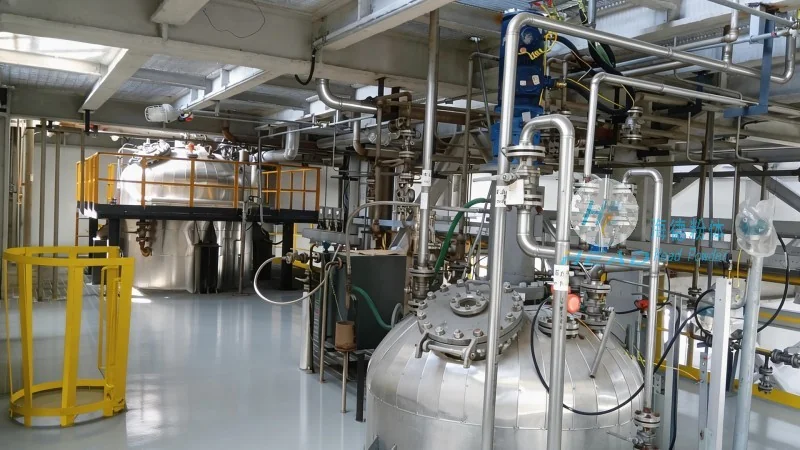
Designing an effective calcium carbide powder pneumatic conveying system involves several fundamental principles aimed at optimizing performance and safety. First, the system must account for the physical properties of the powder, such as its particle size, density, and reactivity. These characteristics influence the choice of equipment, such as the type of blower (positive displacement or centrifugal) and the pipeline diameter. Second, the system must incorporate features to prevent material buildup and blockages, including appropriate cleaning mechanisms and flow control devices. Third, safety considerations are paramount, especially given the potential reactivity of calcium carbide with moisture. The design must include measures to prevent dust explosions and ensure proper ventilation.
Applications and Benefits in Industrial Settings
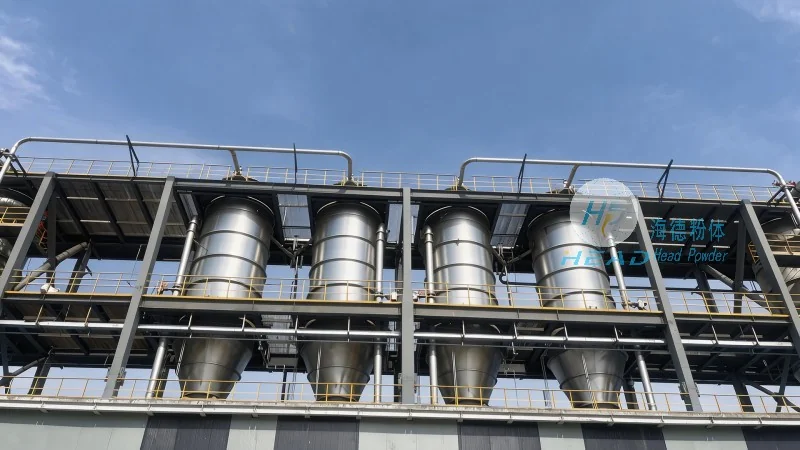
The calcium carbide powder pneumatic conveying system finds widespread application in various industrial sectors, including chemical manufacturing, metallurgy, and energy production. Its primary benefits include the ability to transport fine powders over long distances without the need for mechanical conveyors, which can be prone to clogging and material degradation. The system also offers improved safety by reducing manual handling of the powder, minimizing the risk of dust exposure and accidents. Additionally, the enclosed nature of the system helps maintain material purity and prevents contamination from external sources.
Key Considerations for System Installation and Maintenance
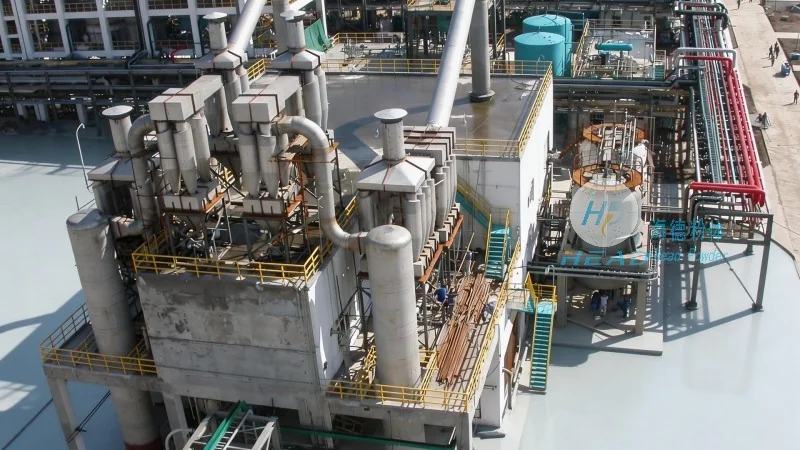
When installing and maintaining a calcium carbide powder pneumatic conveying system, several factors must be considered to ensure long-term performance and reliability. Proper installation involves ensuring that all components are correctly aligned and that the pipeline is free from sharp bends or obstructions that could cause turbulence or material buildup. Regular maintenance is essential, including cleaning the hopper, checking the blower performance, and inspecting the pipeline for wear or damage. Additionally, operators should monitor the system's performance parameters, such as air pressure and flow rate, to detect any deviations that may indicate issues with the material or equipment.
Conclusion: The Importance of a Well-Designed System
In conclusion, the calcium carbide powder pneumatic conveying system is a sophisticated piece of equipment that plays a vital role in the efficient and safe handling of this reactive powder. By understanding its design principles and components, industrial facilities can optimize their material transport processes, reduce operational costs, and enhance overall safety. The system's ability to handle fine powders with precision and reliability makes it an indispensable asset in modern industrial operations.