

What is Caustic Soda Powder Conveying? And What Are Its Design Principles?
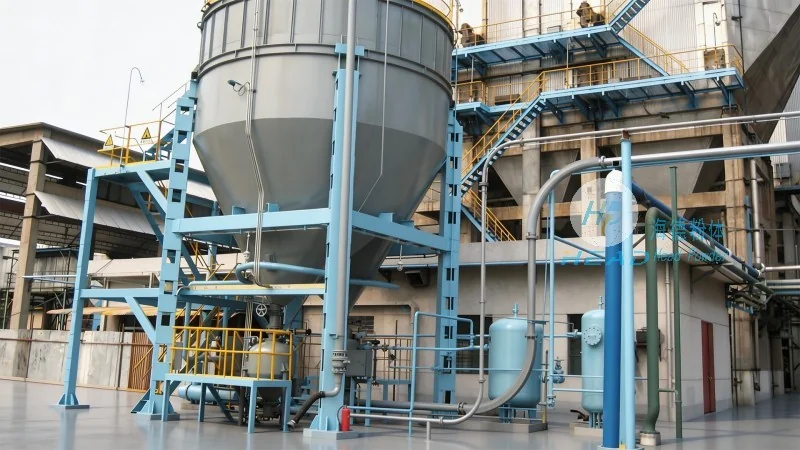
Caustic soda powder conveying systems are critical in industrial processes where sodium hydroxide (NaOH), commonly known as caustic soda, is handled as a dry powder. These systems ensure safe, efficient, and reliable transport of caustic soda from storage to processing units. Understanding the design principles behind such systems is essential for optimizing performance, maintaining safety standards, and minimizing operational risks.
Introduction to Caustic Soda Powder Conveying
Caustic soda, or sodium hydroxide, is a highly caustic chemical widely used in various industries, including chemical manufacturing, paper production, and water treatment. When handled as a powder, it requires specialized equipment and systems to prevent dust generation, ensure proper flow control, and maintain environmental and safety compliance. The design of caustic soda powder conveying systems must address several key challenges, including material properties, equipment compatibility, and operational safety.
About HeadPowder: A Leading Provider of Powder Handling Solutions
HeadPowder, a division of Shandong HeadPowder Engineering Co., Ltd., is a professional manufacturer and supplier specializing in powder handling equipment and systems. With headquarters in Shandong, China, HeadPowder has built a strong reputation for delivering high-quality, customized solutions tailored to the unique needs of industrial clients. The company focuses on innovation, reliability, and customer satisfaction, providing comprehensive support from system design to installation and maintenance.
Key Design Principles for Caustic Soda Powder Conveying Systems
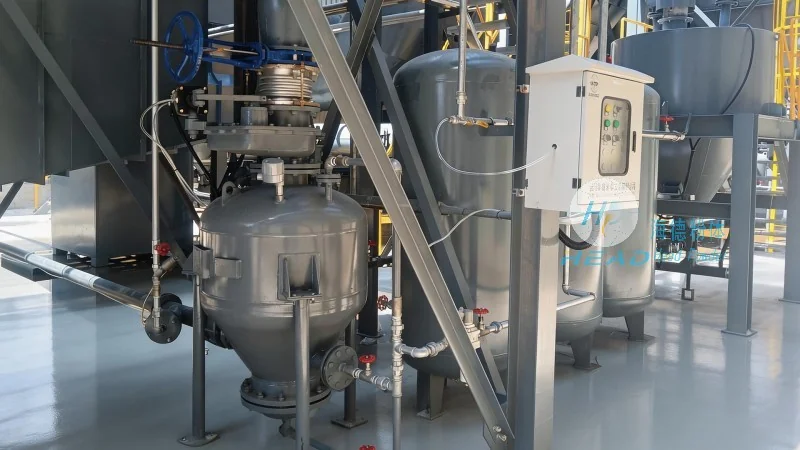
The design of caustic soda powder conveying systems involves several critical principles to ensure optimal performance and safety. First, material selection is paramount. Components such as hoppers, conveyors, and pipelines must be constructed from materials resistant to caustic soda, such as stainless steel or specialized alloys, to prevent corrosion and ensure durability. Additionally, the system must incorporate dust control measures, including sealed hoppers, enclosed conveyor lines, and efficient dust collection systems, to minimize exposure to airborne particles and comply with environmental regulations.
Second, flow control is a critical design consideration. Caustic soda powder can exhibit cohesive or bridging behavior, which may cause blockages in conventional conveying systems. Therefore, systems often incorporate vibrators, agitators, or air-assisted conveying methods to maintain consistent flow and prevent material buildup. The design also considers the speed and capacity of the conveyor, ensuring it matches the production requirements without causing excessive wear or energy consumption.
Third, safety and operational reliability are integral to the design. Caustic soda is a hazardous material, and the system must include safety features such as emergency shutdown mechanisms, pressure relief valves, and proper grounding to prevent accidents. Additionally, the system should be designed for easy maintenance and inspection, with accessible components and clear operational guidelines to minimize downtime and ensure long-term reliability.
Applications and Benefits of Caustic Soda Powder Conveying
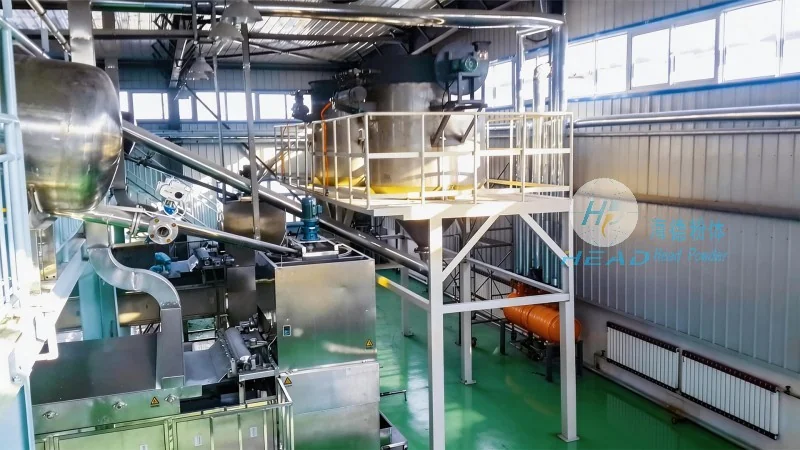
Caustic soda powder conveying systems are widely used in industries where large quantities of caustic soda are required. For example, in chemical manufacturing, these systems transport caustic soda to reactors for production of other chemicals. In the paper industry, they deliver caustic soda to pulping and bleaching processes. The benefits of such systems include improved process efficiency, reduced material loss, enhanced safety for operators, and compliance with environmental regulations. By optimizing the design and operation of caustic soda powder conveying systems, industries can achieve higher productivity while minimizing risks and costs.
Conclusion
Caustic soda powder conveying systems are essential for the safe and efficient handling of this critical chemical. The design principles, including material selection, flow control, and safety measures, are crucial for ensuring system performance and compliance. With expertise in powder handling solutions, HeadPowder provides reliable and customized systems that meet the demanding requirements of industrial applications. By understanding and implementing these design principles, industries can enhance their operational efficiency and safety in handling caustic soda powder.