

What is the pneumatic conveying equipment for lithium battery cathode powder? And what are its desig
When it comes to the production of lithium-ion batteries, the handling of cathode powders is a critical step that demands precision, efficiency, and safety. The process of transporting these fine powders from one point to another within a manufacturing facility is often achieved through specialized equipment known as pneumatic conveying systems. These systems are essential for ensuring that the cathode material is moved reliably, without degradation or contamination, which is vital for the quality and performance of the final battery cells. In this context, understanding the specific equipment used for lithium battery cathode powder handling, along with its design principles, becomes crucial for manufacturers aiming to optimize their production lines.
Understanding the Role of Pneumatic Conveying Systems in Lithium Battery Production
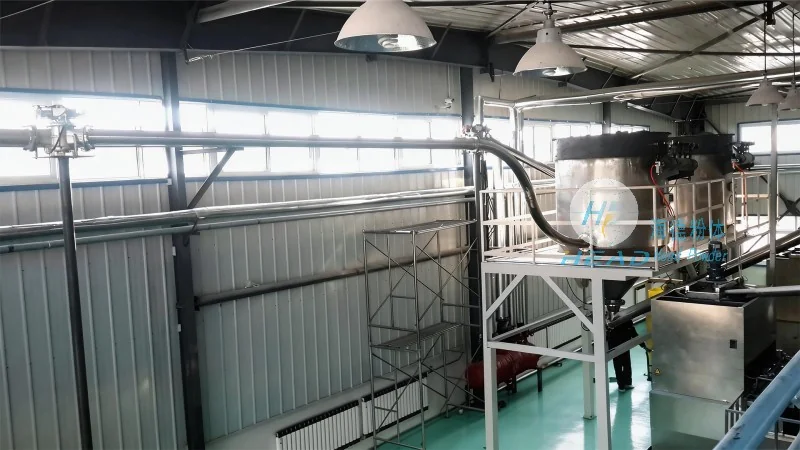
Lithium battery cathode powders, such as lithium cobalt oxide (LCO), lithium nickel manganese cobalt oxide (NMC), or lithium iron phosphate (LFP), are highly sensitive materials that require careful management during transport. Traditional methods like bucket elevators or belt conveyors may not be suitable due to the risk of material degradation, dust generation, or contamination. Pneumatic conveying equipment offers a solution by using air to transport the powder in a closed system, minimizing exposure to external elements and ensuring a controlled environment. This method is particularly advantageous in high-volume production settings where continuous and reliable material flow is necessary. The equipment typically consists of a hopper, a conveyor line, and a receiver, all connected by a network of pipes and valves that regulate the air flow and powder movement. By integrating these components, the system can handle large quantities of cathode powder while maintaining the integrity of the material, which is essential for achieving consistent battery performance.
Key Components and Design Principles of the Equipment
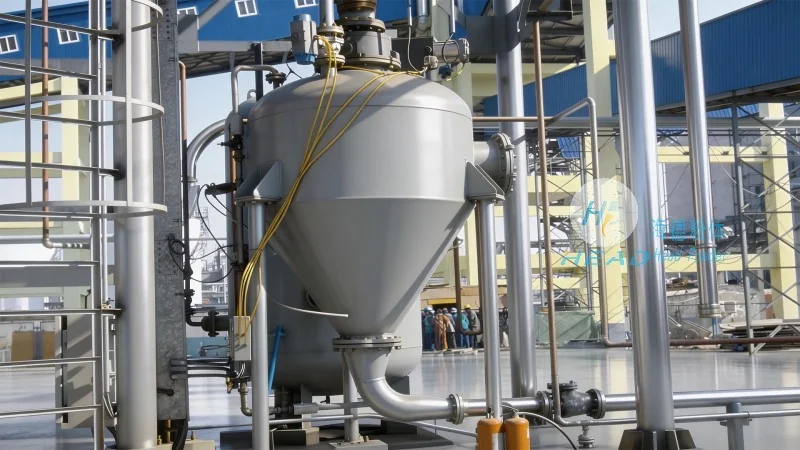
The design of a pneumatic conveying system for lithium battery cathode powder is centered around several key principles to ensure optimal performance. The first principle is the use of a closed-loop system to prevent dust and powder loss, which is critical for both safety and environmental compliance. The system operates by creating a pressure differential between the hopper and the receiver, using either positive or negative pressure to move the powder. Positive pressure systems, where air is blown into the system, are commonly used for short-distance transport, while negative pressure systems, where air is drawn out, are preferred for longer distances or when dealing with more delicate powders. The choice of system depends on factors such as the material properties, the distance to be covered, and the desired flow rate. Another important design principle is the incorporation of high-quality materials for the components that come into direct contact with the powder. Stainless steel or corrosion-resistant alloys are often used for hoppers, pipes, and valves to prevent contamination and ensure durability. Additionally, the system is equipped with filters and cyclones to separate the powder from the air, allowing for the recycling of the air and the collection of the powder for reuse. This not only enhances efficiency but also reduces operational costs by minimizing material waste.
How the Equipment Ensures Efficient and Safe Powder Handling
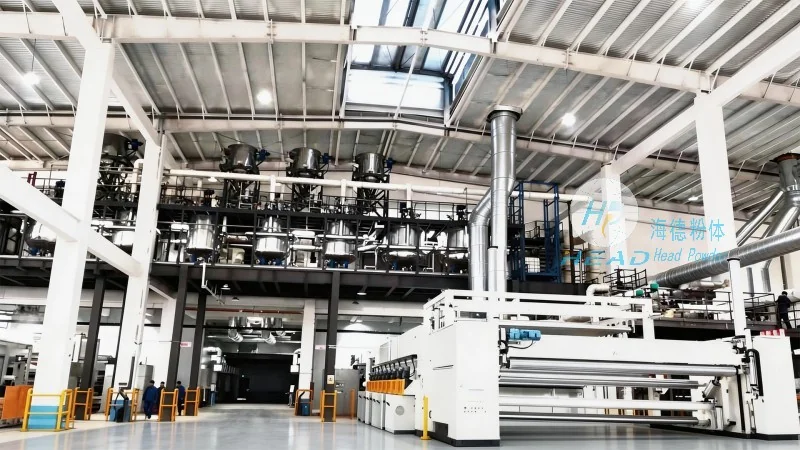
Efficiency and safety are paramount in the operation of pneumatic conveying equipment for lithium battery cathode powders. The system is designed to maintain a consistent flow rate, which is crucial for preventing clogging or uneven material distribution in downstream processes. Advanced control systems, often integrated with sensors and monitoring devices, allow operators to adjust the air pressure and flow rate in real-time, ensuring that the system operates within optimal parameters. This dynamic control helps to maintain the quality of the powder and prevent any disruptions in the production line. Safety features are also integrated into the design, including pressure relief valves, emergency shut-off mechanisms, and dust suppression systems. These measures help to mitigate the risks associated with handling fine powders, such as dust explosions or inhalation hazards. The closed system design also reduces the risk of environmental contamination, as the powder is contained within the pipes and hoppers, preventing it from escaping into the workplace or the surrounding environment. Overall, the equipment is engineered to provide a reliable and safe method of transporting cathode powders, which is essential for maintaining the high standards required in lithium battery manufacturing.
Company Overview: HeadPowder Engineering Co., Ltd.
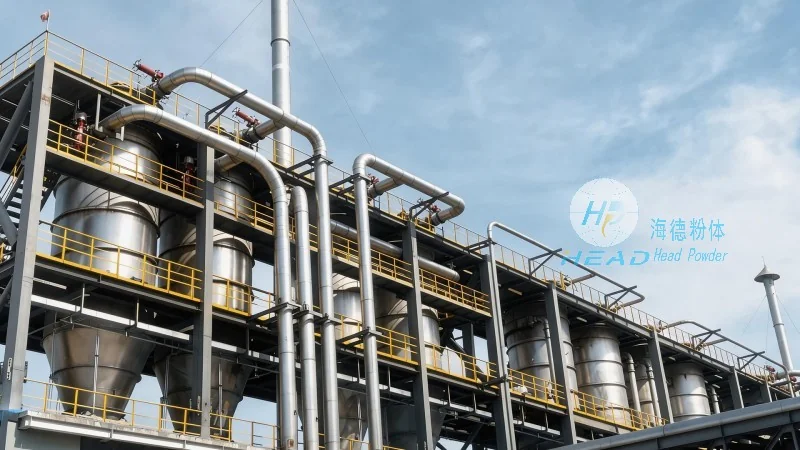
HeadPowder Engineering Co., Ltd., a leading manufacturer based in Shandong, China, specializes in the design and production of advanced pneumatic conveying equipment for various industrial applications, including the lithium battery industry. The company, often referred to as HeadPowder, has extensive experience in developing customized solutions tailored to the specific needs of its clients. With a strong focus on innovation and quality, HeadPowder uses state-of-the-art technology and materials to ensure that its equipment meets the highest industry standards. The company's facilities are equipped with modern manufacturing equipment and a team of skilled engineers who are dedicated to delivering reliable and efficient solutions. HeadPowder's commitment to customer satisfaction and product excellence has made it a trusted partner for many manufacturers in the lithium battery sector. By providing equipment that enhances production efficiency and safety, HeadPowder plays a vital role in supporting the growth and development of the battery industry. The company's products are designed to be durable, easy to maintain, and adaptable to different production environments, ensuring that clients can achieve optimal performance and cost-effectiveness in their operations.