

What is a quantitative feeding powder pneumatic conveying line? What are its design principles?
Understanding quantitative feeding powder pneumatic conveying lines is crucial for industries dealing with bulk powder handling. These systems are engineered to transport powders and granules with precision and efficiency, ensuring consistent flow rates and reliable material transfer. The core function of such a line is to deliver a specified quantity of material from a source to a destination, often in a controlled and automated manner. This technology is widely used in sectors like pharmaceuticals, food processing, chemical manufacturing, and more, where accuracy in material handling is paramount. Companies like Shandong HeadPowder Engineering Co., Ltd. specialize in designing and manufacturing these systems to meet the specific needs of their clients.
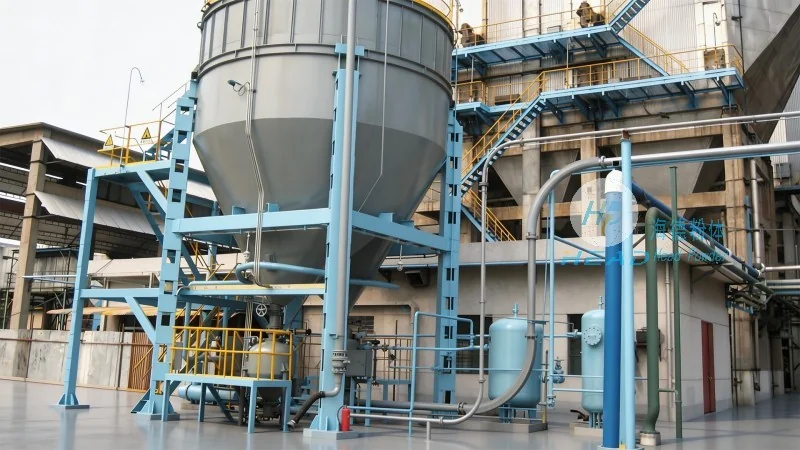
Introduction to Quantitative Feeding Powder Pneumatic Conveying Lines
A quantitative feeding powder pneumatic conveying line is a specialized system designed to transport bulk powders through an air-driven process. Unlike traditional mechanical conveyors, this system uses compressed air to move the material, offering advantages like flexibility, cleanliness, and the ability to handle materials that are sensitive to contamination or degradation. The system typically consists of several key components, including a feeder, a conveying line, a receiver, and control mechanisms. The feeder is responsible for accurately metering the powder, while the conveying line transports it to the receiver under pressure. Control systems ensure that the flow rate and pressure are maintained at optimal levels, preventing issues like clogging or under/over-feeding.
Design Principles of Quantitative Feeding Powder Pneumatic Conveying Lines
The design of a quantitative feeding powder pneumatic conveying line is based on several fundamental principles to ensure efficiency and reliability. One of the primary principles is the use of a positive displacement feeder, which provides precise control over the material flow rate. This type of feeder can be adjusted to deliver a specific quantity of powder per unit time, making it ideal for applications requiring exact dosing. Another key principle is the selection of appropriate air pressure and flow rates. The system must be designed to handle the specific characteristics of the powder, such as particle size, density, and moisture content, to prevent issues like blockages or uneven flow. The conveying line itself is often made of materials that are resistant to corrosion and wear, ensuring long-term durability. Additionally, the system incorporates safety features, such as pressure relief valves and flow monitors, to prevent accidents and maintain operational safety.
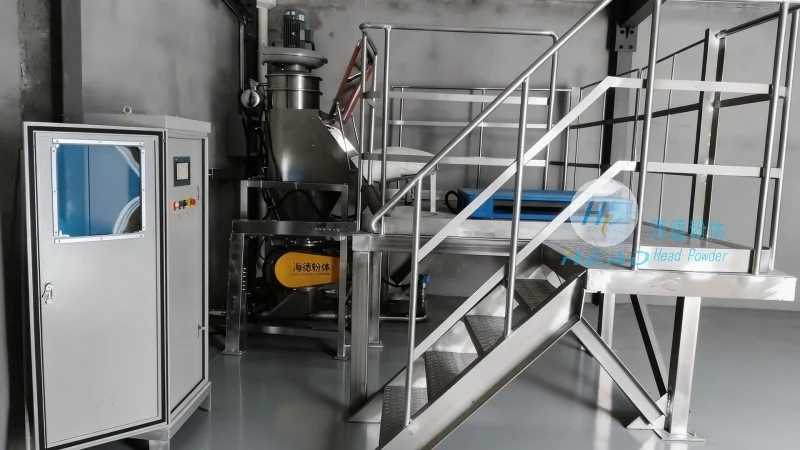
Components and Their Functions in a Quantitative Feeding Powder Pneumatic Conveying Line
The effectiveness of a quantitative feeding powder pneumatic conveying line depends on the proper integration of its components. The feeder, which can be a rotary valve, screw feeder, or vibratory feeder, is the heart of the system. It accurately meters the powder and releases it into the conveying line. The conveying line, typically made of stainless steel or other corrosion-resistant materials, is designed to withstand the pressure and temperature of the system. The receiver, where the material is deposited, is equipped with a hopper or silo to store the delivered powder. Control systems, including sensors and controllers, monitor the flow rate, pressure, and other parameters, adjusting the system as needed to maintain optimal performance. These components work together to ensure that the powder is transported efficiently and with the required precision.
Applications and Benefits of Quantitative Feeding Powder Pneumatic Conveying Lines
Quantitative feeding powder pneumatic conveying lines are used in a wide range of applications across various industries. In the pharmaceutical industry, they are used to transport active pharmaceutical ingredients (APIs) and excipients with high accuracy, ensuring that the final product meets strict quality standards. In food processing, they handle ingredients like flour, sugar, and spices, maintaining hygiene and preventing contamination. In chemical manufacturing, they transport raw materials and intermediates, supporting efficient production processes. The benefits of these systems include improved process control, reduced labor costs, and enhanced safety. By automating the material handling process, these systems minimize human error and improve overall operational efficiency. Additionally, the use of pneumatic conveying reduces the risk of product contamination compared to mechanical systems, making it a preferred choice in industries where product purity is critical.
Key Considerations for Designing and Implementing a Quantitative Feeding Powder Pneumatic Conveying Line
When designing and implementing a quantitative feeding powder pneumatic conveying line, several factors must be considered to ensure optimal performance. The first consideration is the characteristics of the powder being handled. The particle size, density, and flowability of the material will determine the type of feeder and conveying line required. For example, cohesive or fine powders may require a more robust feeder and a larger conveying line to prevent blockages. The system must also be designed to handle the specific operating conditions, such as ambient temperature and humidity, to prevent material degradation or equipment failure. Another important consideration is the required flow rate and delivery accuracy. The system must be capable of delivering the specified quantity of powder with minimal variation, which is critical for processes that require precise dosing. Additionally, the system must comply with relevant safety and regulatory standards, such as those related to explosion-proofing and material handling in hazardous environments.
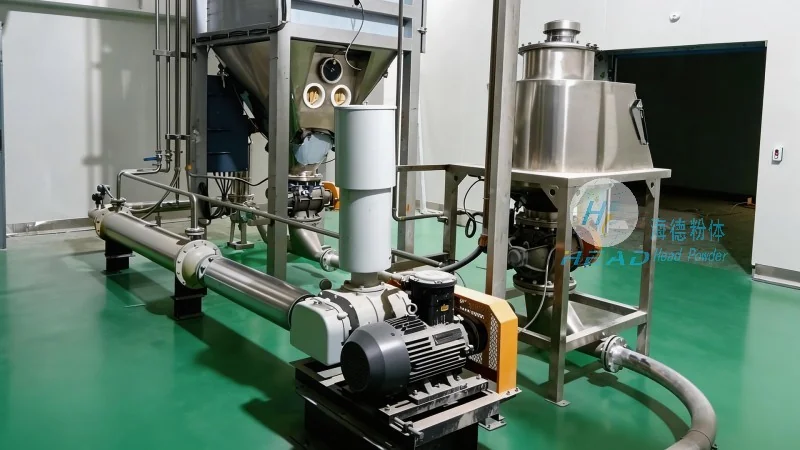
Maintenance and Troubleshooting for Quantitative Feeding Powder Pneumatic Conveying Lines
Maintaining a quantitative feeding powder pneumatic conveying line is essential to ensure its long-term performance and reliability. Regular maintenance includes cleaning the feeder and conveying line to prevent powder buildup and clogging. The system should be inspected regularly for signs of wear and tear, such as leaks or corrosion. The control systems should be checked to ensure they are functioning correctly and providing accurate readings. Troubleshooting common issues, such as low flow rates or pressure drops, involves checking the feeder settings, the air supply, and the condition of the conveying line. If blockages occur, the system may need to be flushed with a suitable cleaning agent or the feeder adjusted to improve flow. Proper maintenance not only extends the life of the equipment but also ensures that the system operates efficiently and meets the required performance standards.
Conclusion: The Importance of Quantitative Feeding Powder Pneumatic Conveying Lines
In conclusion, quantitative feeding powder pneumatic conveying lines are essential systems for industries that require precise and efficient bulk powder handling. These systems are designed to deliver a specified quantity of material with high accuracy, ensuring that processes run smoothly and product quality is maintained. The design principles, components, and applications of these systems highlight their versatility and importance in modern manufacturing. By understanding the key aspects of these systems, businesses can make informed decisions about implementing or upgrading their material handling processes, ultimately improving operational efficiency and product quality. For companies dealing with bulk powders, investing in a well-designed quantitative feeding powder pneumatic conveying line is a strategic move that can yield significant benefits in terms of cost savings, productivity, and product integrity.