

What is a Nitrate Ammonium Powder Pneumatic Conveying Line? And What Are Its Design Principles?
For industries dealing with nitrate ammonium powder, efficient and reliable material handling is crucial. A nitrate ammonium powder pneumatic conveying system is a specialized solution designed to transport this type of bulk material safely and effectively. This article explores the concept of such a system and delves into its fundamental design principles, providing insights into how these systems operate and why they are essential in modern industrial applications.
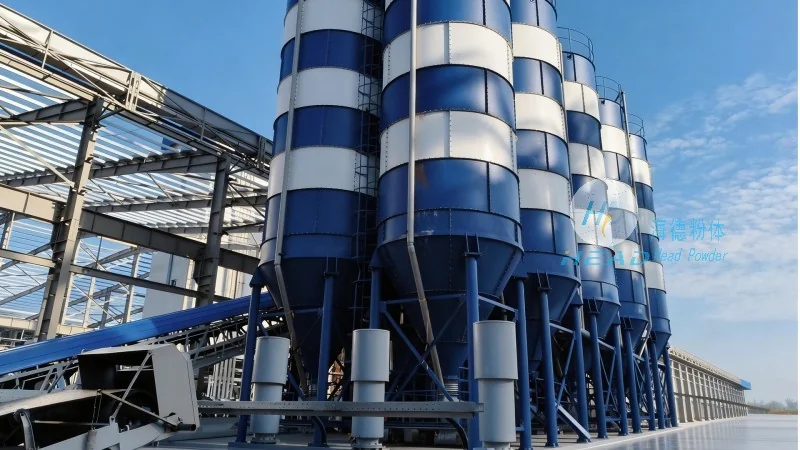
Understanding the Nitrate Ammonium Powder Pneumatic Conveying System
The nitrate ammonium powder pneumatic conveying system is a technology that uses compressed air or other gases to move dry powder materials like nitrate ammonium through a pipeline. Unlike traditional mechanical conveyors, which rely on belts or screws, pneumatic systems utilize the force of air to transport the material, making them ideal for handling fine powders that are prone to caking or dust generation. The system typically consists of several key components, including a hopper for material storage, a feeder to control the flow rate, a conveying line with appropriate ductwork, and a receiver for the material at the destination point. Each component plays a vital role in ensuring the smooth and efficient transport of nitrate ammonium powder.
Key Design Principles for Nitrate Ammonium Powder Pneumatic Conveying
Designing an effective nitrate ammonium powder pneumatic conveying system involves several critical principles that ensure optimal performance, safety, and longevity. The first principle is the selection of the appropriate conveying velocity. The velocity of the air in the pipeline must be high enough to keep the powder particles suspended but not so high as to cause excessive wear on the system components or generate too much dust. Engineers typically calculate the conveying velocity based on the material's properties, such as particle size, density, and flowability, to achieve a balance between efficiency and system wear.
Another crucial design principle is the consideration of the system's pressure and vacuum levels. Pneumatic conveying systems can operate under either positive pressure (where air is forced into the line) or negative pressure (where air is drawn out of the line). The choice between these modes depends on the application and the distance the material needs to be transported. Positive pressure systems are often preferred for longer distances or when the material needs to be conveyed to multiple destinations, as they provide consistent pressure and can handle more complex layouts. Negative pressure systems, on the other hand, are suitable for shorter distances or when the material must be transported from a higher elevation to a lower one, as they rely on suction to move the powder.
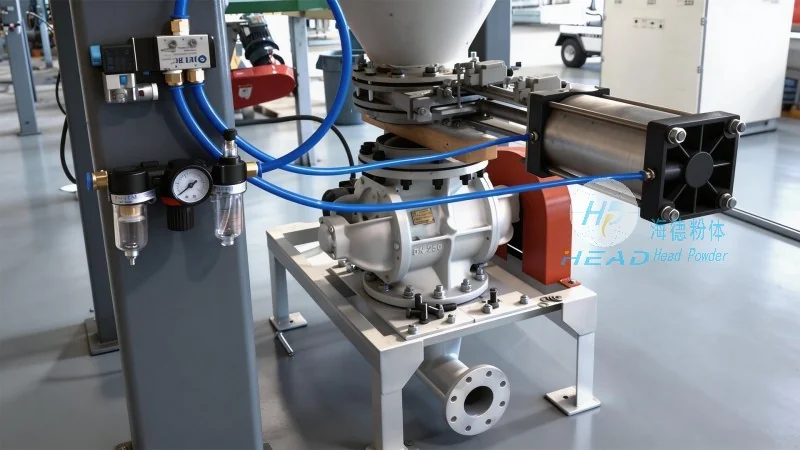
A third key design principle is the design of the hopper and feeder. The hopper must be designed to prevent the nitrate ammonium powder from bridging or caking, which can disrupt the flow. This often involves using a hopper with a conical or wedge-shaped bottom and incorporating vibration or aeration to break up any agglomerates. The feeder, typically a rotary valve or a star feeder, is responsible for controlling the flow rate of the material into the conveying line. The feeder must be matched to the hopper's capacity and the system's conveying requirements to ensure a consistent and controlled feed, preventing surges or blockages that could damage the system.
Components and Their Functions in the System
Each component of the nitrate ammonium powder pneumatic conveying system has a specific function that contributes to the overall efficiency and reliability of the system. The hopper serves as the storage vessel, holding the bulk nitrate ammonium powder and providing a consistent feed to the feeder. The feeder regulates the flow of material from the hopper into the conveying line, ensuring that the material is fed at a controlled rate to maintain system stability. The conveying line, made of materials resistant to the corrosive properties of nitrate ammonium, transports the powder through the system. The line is typically equipped with bends, elbows, and other fittings that are designed to minimize pressure loss and prevent material buildup. The receiver, located at the end of the line, collects the material and may include a dust collection system to prevent environmental contamination. Additionally, the system may include filters and cyclones to separate any fine particles from the air, ensuring that the exhaust air is clean and safe to release.
Importance of Material Properties in Design
The design of a nitrate ammonium powder pneumatic conveying system is heavily influenced by the properties of the material being transported. Nitrate ammonium is a fine powder with specific characteristics that must be considered in the design process. For example, the material's particle size distribution, density, and flowability affect the conveying velocity and pressure requirements. The hygroscopic nature of nitrate ammonium means that it can absorb moisture from the air, which may lead to caking or changes in its physical properties. Therefore, the system design must include measures to control moisture, such as using dry air or incorporating drying equipment in the hopper or feeder. The corrosive nature of nitrate ammonium also requires the use of materials that are resistant to chemical attack, such as stainless steel or specialized plastics, to prevent degradation of the system components over time.
Applications and Benefits of the System
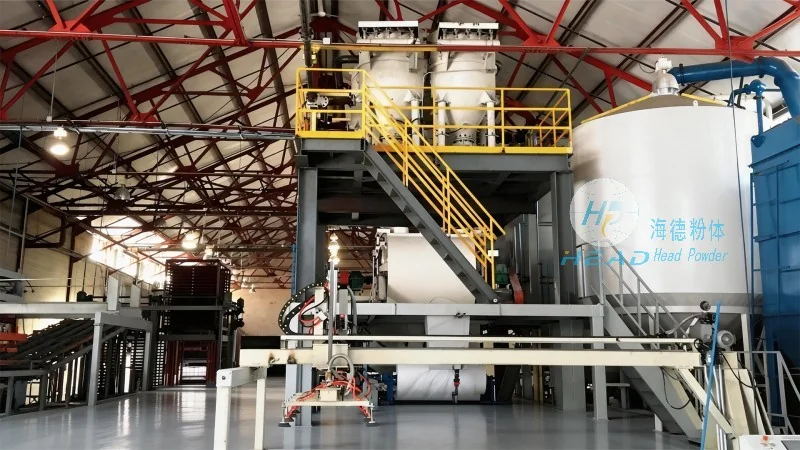
Nitrate ammonium powder pneumatic conveying systems are widely used in various industries, including chemical manufacturing, fertilizer production, and food processing. The primary benefits of these systems include improved safety, as they eliminate the need for manual handling of powders, which can be hazardous due to dust explosions or respiratory issues. They also offer greater flexibility in material transport, as the system can be easily reconfigured to handle different materials or transport to multiple locations. Additionally, pneumatic conveying systems are more compact than traditional mechanical conveyors, saving space in industrial facilities. The ability to transport materials over long distances without the need for intermediate storage or transfer points also enhances operational efficiency and reduces downtime.
Conclusion and Company Overview
A nitrate ammonium powder pneumatic conveying system is a sophisticated and essential technology for industries dealing with this type of bulk material. The design principles, including appropriate conveying velocity, pressure and vacuum selection, and proper hopper and feeder design, are critical to ensuring the system's effectiveness and longevity. The components of the system, such as the hopper, feeder, conveying line, and receiver, each play a vital role in the overall operation. The properties of nitrate ammonium, including its particle size, density, and hygroscopic nature, must be carefully considered to optimize the system's performance. The benefits of these systems, including enhanced safety, flexibility, and efficiency, make them a preferred choice for modern industrial applications.
Shandong HeadPowder Engineering Co., Ltd., a leading manufacturer of material handling equipment, specializes in designing and manufacturing nitrate ammonium powder pneumatic conveying systems tailored to the specific needs of various industries. With a focus on quality, innovation, and customer satisfaction, the company provides comprehensive solutions that meet the highest standards of performance and reliability. Based in Shandong, China, HeadPowder Engineering leverages its expertise and advanced technology to deliver systems that enhance operational efficiency and ensure the safe handling of nitrate ammonium powder. The company's commitment to excellence and customer-centric approach has made it a trusted partner for businesses seeking reliable material handling solutions.