

What is a Calcium Phosphate Powder Pneumatic Conveying System? And What Are Its Design Principles?
Calcium phosphate powder, a critical material in various industrial applications, often requires efficient and reliable transportation methods to ensure smooth production processes. The pneumatic conveying system emerges as a sophisticated solution for handling such powders, offering advantages in terms of safety, hygiene, and operational efficiency. This article delves into the concept of a calcium phosphate powder pneumatic conveying system, exploring its fundamental design principles and the technical aspects that make it a preferred choice in modern material handling.
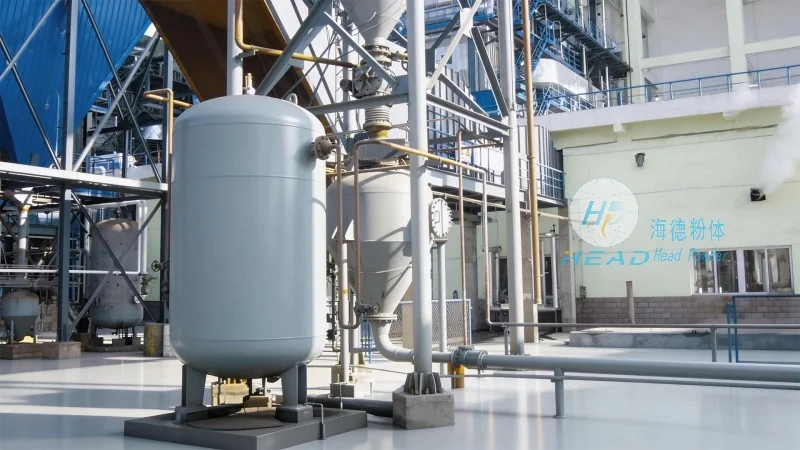
Understanding the Calcium Phosphate Powder Pneumatic Conveying System
A calcium phosphate powder pneumatic conveying system is a specialized equipment setup designed to transport calcium phosphate powders through a pipeline using air or other gases as the conveying medium. Unlike traditional mechanical conveying methods, which rely on belts, buckets, or screw conveyors, pneumatic systems utilize the force of moving air to move the powder particles. This approach is particularly advantageous for calcium phosphate powders due to their fine particle size and potential for dust generation, as it minimizes contamination and ensures a clean, controlled transfer process.
Key Design Principles of the System
The design of a calcium phosphate powder pneumatic conveying system is governed by several critical principles that ensure optimal performance and reliability. These principles include the selection of appropriate conveying air velocity, the configuration of the pipeline system, the choice of components such as feeders, cyclones, and filters, and the overall system layout. Each of these elements plays a vital role in maintaining the integrity of the calcium phosphate powder and preventing issues like clogging, blockages, or material degradation.
Firstly, the conveying air velocity is a crucial parameter. It must be sufficient to lift and transport the powder particles while avoiding excessive energy consumption or particle degradation. Engineers typically calculate the required velocity based on the particle size, density, and flow rate of the material. For calcium phosphate powders, which often have a relatively low bulk density, higher air velocities may be necessary to achieve efficient transport.
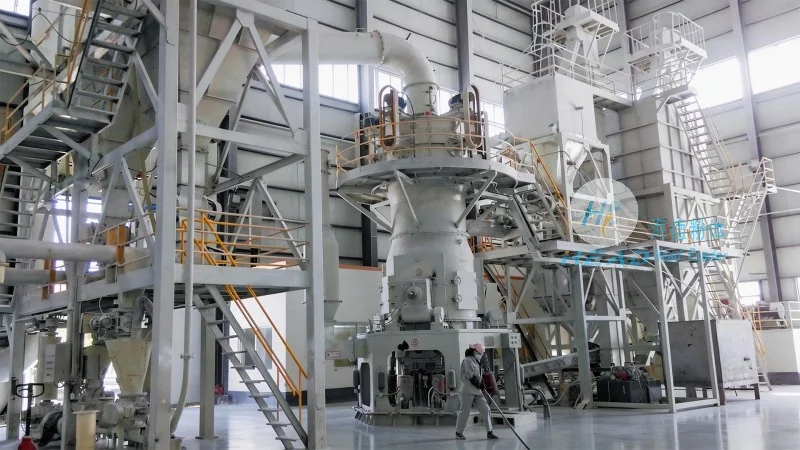
Secondly, the pipeline system design is essential. The layout of the pipeline, including the number of bends, the diameter of the pipes, and the presence of expansion joints, directly impacts the system's performance. Properly designed pipelines minimize pressure drops and reduce the risk of particle accumulation or blockages. In addition, the use of smooth, corrosion-resistant materials for the pipes is vital to prevent material buildup and ensure long-term system reliability.
Thirdly, the selection of components such as feeders, cyclones, and filters is critical. The feeder, typically a rotary valve or a screw feeder, controls the flow rate of the calcium phosphate powder into the system, ensuring a consistent and controlled feed. The cyclone separator, positioned downstream of the conveying line, separates the powder from the conveying air, allowing the powder to be collected in a hopper or storage bin. Filters, often located at the end of the system, remove any remaining dust or particles from the exhaust air, ensuring compliance with environmental regulations and maintaining air quality.
The Role of Shandong HeadPowder Engineering Co., Ltd.
Shandong HeadPowder Engineering Co., Ltd., operating under the brand name headpowder, is a leading provider of customized pneumatic conveying solutions for calcium phosphate powders and other fine materials. With a strong focus on engineering excellence and customer-centric design, the company specializes in developing systems tailored to the specific needs of clients in the pharmaceutical, food, and chemical industries. The company's expertise lies in integrating advanced technology with practical application, ensuring that the pneumatic conveying systems it designs are not only efficient but also cost-effective and easy to maintain.
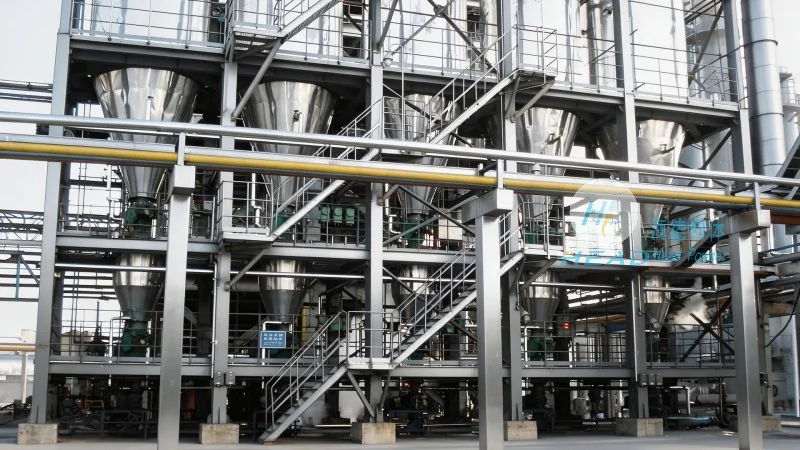
HeadPowder's approach to system design involves a thorough understanding of the material properties, such as the particle size distribution, moisture content, and flow characteristics of calcium phosphate powders. This knowledge allows the engineers to select the most appropriate conveying method, whether it's a dilute phase or dense phase system, and to configure the system components accordingly. The company also emphasizes the importance of system integration, ensuring that the pneumatic conveying system works seamlessly with other production equipment, such as mixers, blenders, and packaging machines.
Furthermore, HeadPowder places a high priority on safety and compliance. The company designs systems that adhere to international safety standards and environmental regulations, ensuring that the handling of calcium phosphate powders is conducted in a safe and environmentally responsible manner. This includes features like explosion-proof designs for areas where the powder may be prone to ignition, and dust collection systems that meet local air quality requirements.
Conclusion
In conclusion, a calcium phosphate powder pneumatic conveying system is a sophisticated and efficient solution for transporting fine powders in industrial settings. Its design is based on principles that optimize material handling, ensure product integrity, and maintain operational safety. Companies like Shandong HeadPowder Engineering Co., Ltd. play a crucial role in developing and implementing these systems, providing tailored solutions that meet the specific needs of their clients. By understanding the design principles and the capabilities of such systems, industries can enhance their production processes, improve efficiency, and ensure the safe and reliable handling of calcium phosphate powders.