

What is a Mung Bean Powder Pneumatic Conveying System? And What Are Its Design Principles?
For industries dealing with mung bean powder, efficient and reliable material handling is crucial. A mung bean powder pneumatic conveying system offers a solution that ensures the safe and effective transport of this fine powder. This article explores what such a system entails and the underlying design principles that make it functional.
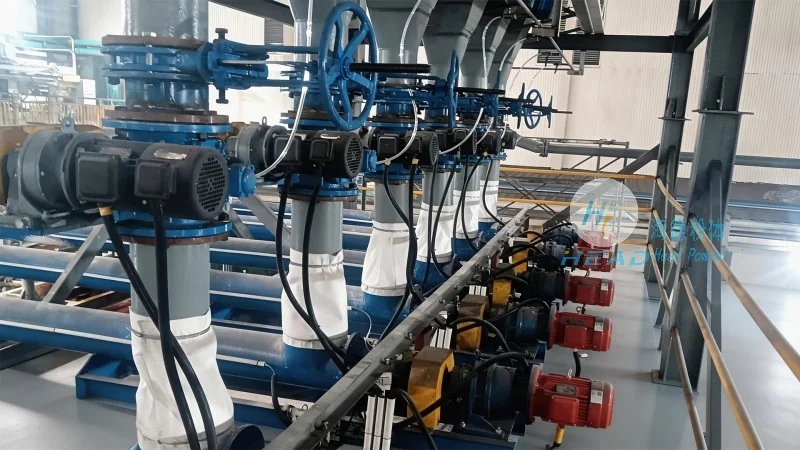
HeadPowder, a leading manufacturer based in Shandong, China, specializes in engineering solutions for powder handling. With years of experience, the company has developed systems tailored to the unique characteristics of mung bean powder, ensuring optimal performance and durability.
What is a Mung Bean Powder Pneumatic Conveying System?
A mung bean powder pneumatic conveying system is a type of equipment used to transport dry, fine powders like mung bean powder through a pipeline using air pressure. Unlike traditional mechanical conveyors, this system relies on the force of air to move the material, making it ideal for handling powders that are prone to caking or are sensitive to mechanical stress.
The system typically consists of several key components, including a hopper for material storage, a blower or compressor to generate the air flow, a pipeline network to direct the material, and a receiver or collection tank at the end of the line. Each component plays a vital role in ensuring the smooth and efficient transport of the powder.
Design Principles of Mung Bean Powder Pneumatic Conveying Systems
The design of a mung bean powder pneumatic conveying system is based on several fundamental principles to ensure optimal performance. First, the system must be able to handle the specific properties of mung bean powder, such as its particle size, density, and flowability. These characteristics influence the air velocity required to move the powder through the pipeline without causing blockages or excessive pressure drops.
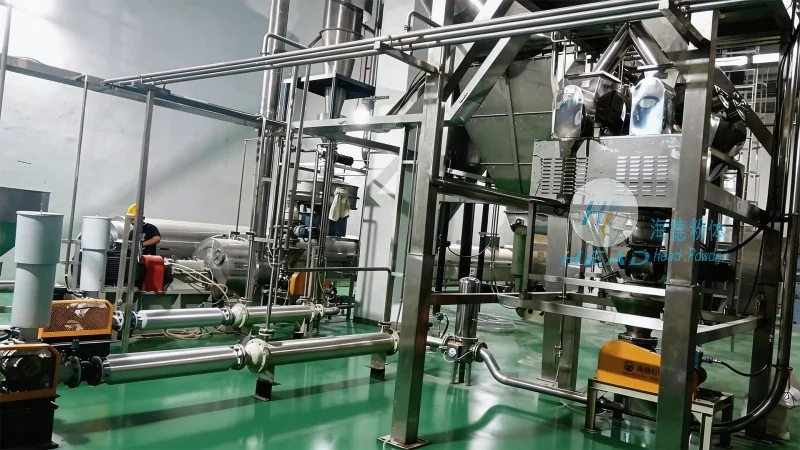
Second, the system must be designed to minimize the risk of material degradation or contamination. This includes using materials that are compatible with the powder and ensuring proper sealing to prevent dust emissions and cross-contamination. The design also considers the need for easy maintenance and cleaning, as powder handling systems are prone to clogging and buildup.
Third, the system must be energy-efficient and cost-effective. The blower or compressor used in the system should be sized appropriately to provide the necessary air pressure without wasting energy. The pipeline layout is also optimized to reduce pressure losses and ensure consistent material flow, thereby reducing operational costs.
Key Components and Their Functions
Each component of a mung bean powder pneumatic conveying system serves a specific purpose. The hopper is where the mung bean powder is stored before being fed into the system. It is designed to maintain a consistent material level and prevent the powder from caking or bridging. The feeder, often a rotary valve or a star valve, controls the flow rate of the powder into the pipeline, ensuring a steady and controlled feed.

The blower or compressor generates the air flow that propels the powder through the pipeline. The choice of equipment depends on the system's capacity and the characteristics of the powder. For mung bean powder, a positive displacement blower is often preferred as it provides a consistent air pressure and flow rate. The pipeline network connects the various components and transports the material from the hopper to the receiver. The receiver is where the powder is collected and stored after being conveyed through the system. It is designed to prevent dust emissions and ensure easy access for material retrieval.
Benefits of Using a Mung Bean Powder Pneumatic Conveying System
Implementing a mung bean powder pneumatic conveying system offers several benefits for industries dealing with this type of powder. First, it provides a dust-free and hygienic method of material handling, which is essential for food processing applications. The system prevents dust emissions, reducing the risk of contamination and improving workplace safety.
Second, it offers a flexible and scalable solution. The system can be easily expanded or modified to accommodate changes in production volume or to add new processing lines. This flexibility makes it suitable for growing businesses that need to adapt to changing market demands.
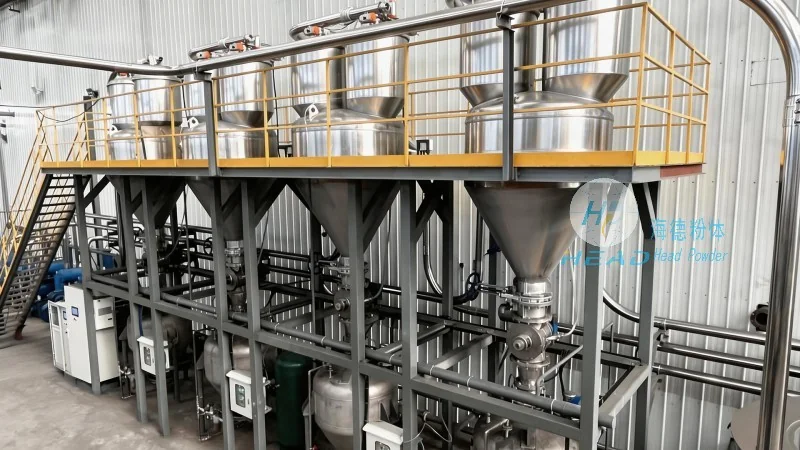
Third, it reduces labor costs and improves operational efficiency. By automating the material handling process, the system minimizes the need for manual labor and reduces the risk of human error. This leads to increased productivity and lower operational costs.
HeadPowder's Expertise in Mung Bean Powder Handling
HeadPowder, with its headquarters in Shandong, China, has established itself as a trusted provider of mung bean powder pneumatic conveying systems. The company's team of engineers and technicians has extensive experience in designing and manufacturing systems tailored to the unique needs of the food processing industry.
HeadPowder's systems are designed to meet the highest standards of quality and safety. The company uses advanced materials and manufacturing techniques to ensure that its equipment is durable, reliable, and efficient. The systems are also equipped with features such as automatic cleaning and monitoring, which help to maintain optimal performance and reduce downtime.
With a strong commitment to customer satisfaction, HeadPowder provides comprehensive support to its clients. This includes pre-sales consultation, on-site installation and commissioning, and after-sales maintenance and service. The company's goal is to provide its clients with a reliable and cost-effective solution that meets their specific requirements.