With more than 10‑year industry experience, Shandong Headpowder delivers full‑service pneumatic‑conveying systems and blowers, undertaking nationwide turn‑key powder‑handling projects.
Millet, also known as proso millet, is a small, round grain widely used in food production and animal feed. The efficient and reliable transportation of millet from storage to processing units is crucial for maintaining quality and operational efficiency in agricultural and food processing industries. Pneumatic conveying equipment has emerged as a preferred solution for handling millet due to its ability to transport bulk materials through an enclosed system using air pressure. This article explores the fundamental principles behind millet pneumatic conveying equipment, detailing its working mechanisms, key components, and practical applications.
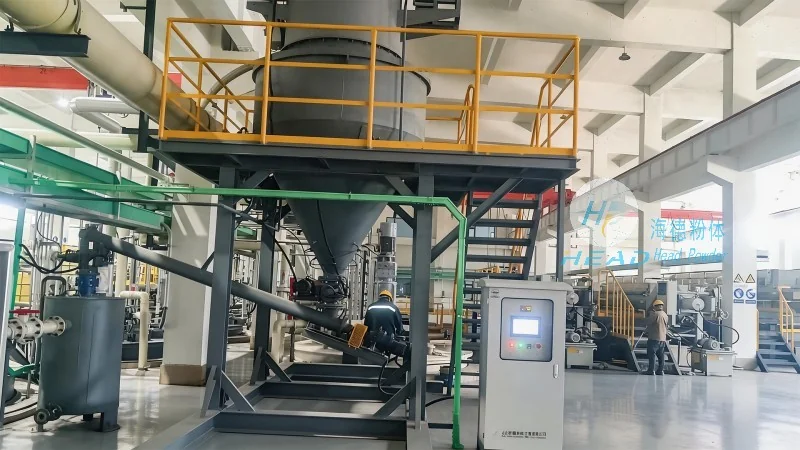
Pneumatic conveying, or air conveying, is a method of transporting solid particles, such as millet, through a pipeline using a moving air stream. Unlike traditional mechanical conveyors that rely on belts, chains, or screws, pneumatic systems utilize air pressure to move materials, offering several advantages like reduced material degradation, minimal contamination, and the ability to handle materials in a closed environment. The principle is based on creating a pressure differential between the inlet and outlet of the conveying line, which propels the millet particles forward. This process can be categorized into two main types: pressure conveying and suction conveying, each with distinct applications and operational characteristics.
A typical millet pneumatic conveying system consists of several critical components that work in tandem to ensure efficient material transport. The primary components include:
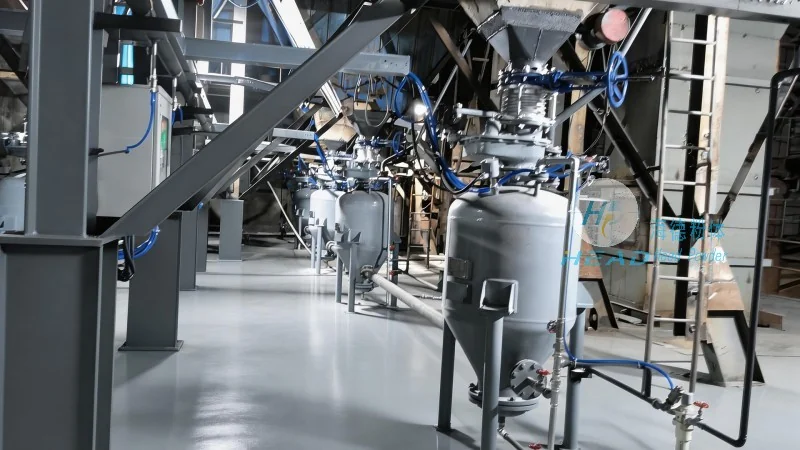
The operation of a millet pneumatic conveying system involves several sequential steps. First, the millet is fed into the system via the feeder. Simultaneously, the air supply system generates a high-pressure air stream that enters the conveying pipe. The air velocity is maintained above the "carrying velocity" of the millet, which is the minimum velocity required to keep the particles suspended and moving. As the air and millet mixture travels through the pipe, the particles are carried along by the air stream. Upon reaching the receiving end, the mixture enters the separator, where centrifugal force or filtration separates the millet from the air. The separated millet is then discharged into the target container, while the air is either filtered and recirculated to conserve energy or vented to the atmosphere.
Implementing pneumatic conveying for millet offers numerous benefits that enhance operational efficiency and product quality. Some key advantages include:
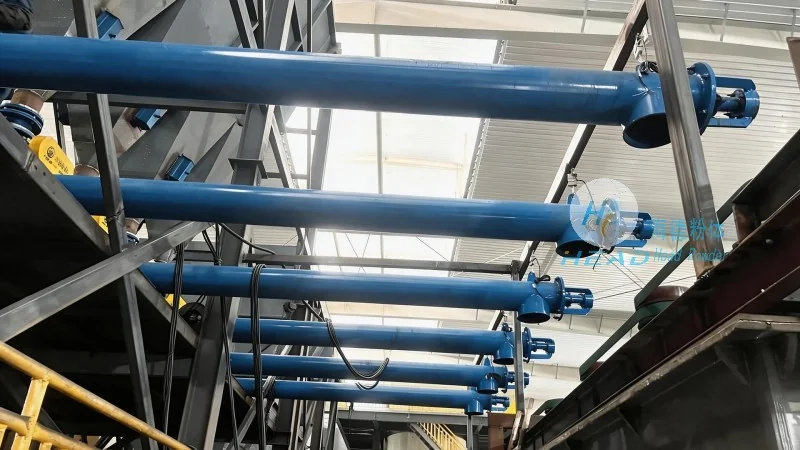
HeadPowder, the professional manufacturer of millet pneumatic conveying equipment, is a leading company based in Shandong, China. With years of experience in the engineering and manufacturing of bulk material handling systems, HeadPowder specializes in designing and producing high-quality pneumatic conveying solutions tailored to the specific needs of the agricultural and food processing industries. The company's commitment to innovation, quality, and customer satisfaction has established it as a trusted partner for businesses seeking reliable and efficient millet handling equipment.
Millet pneumatic conveying equipment operates on the principle of using air pressure to transport millet efficiently and safely. By understanding the core components and working mechanisms of these systems, industries can leverage this technology to enhance their material handling processes. With the expertise and experience of companies like Shandong HeadPowder Engineering Co., Ltd., businesses can access advanced pneumatic conveying solutions that meet their operational requirements and contribute to improved productivity and product quality.

 Shandong Headpowder Engineering Co., Ltd.
 156-6277-7102(Manager Zhang)
  0531-83386006
  Zhangqiu District, Jinan City, Shandong Province, China
telephone
WeChatconsult
top