

Operation Process and Working Principle of Sodium Silicate Powder Conveying System
The sodium silicate powder conveying system is a critical component in industrial processes that require the efficient and reliable transport of powdered sodium silicate materials. This system is designed to handle the unique characteristics of sodium silicate, such as its hygroscopic nature and potential for dust generation, ensuring safe and effective material handling. The operation of this system involves a series of steps that work in tandem to move the powder from its source to its destination, while maintaining product integrity and operational safety.
Company Overview: Shandong HeadPowder Engineering Co., Ltd.
HeadPowder, or Shandong HeadPowder Engineering Co., Ltd., is a leading provider of specialized engineering solutions for powder handling systems. With a focus on innovation and customer-centric design, the company has established itself as a trusted partner in the industry. HeadPowder's expertise lies in developing tailored solutions that address the specific challenges of powder transport, including those associated with sodium silicate. The company's facilities are located in Shandong, China, where it leverages local resources and advanced manufacturing capabilities to deliver high-quality products and services.
Key Components and Their Roles
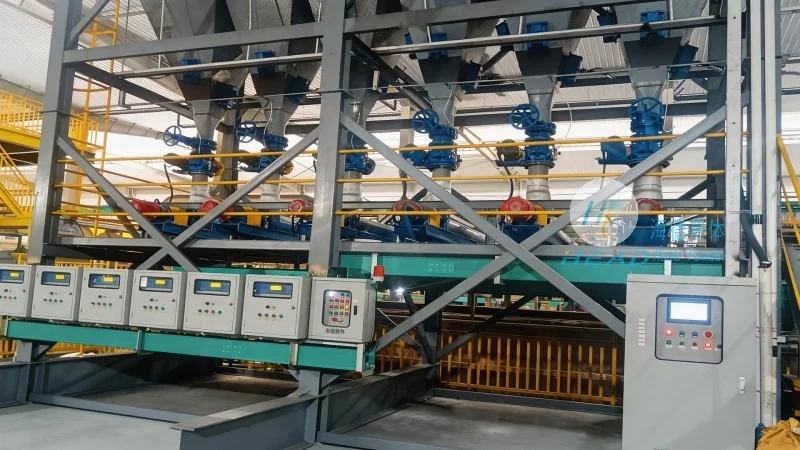
The sodium silicate powder conveying system typically consists of several key components, each playing a vital role in the overall operation. These components include hoppers for material storage, feeders to control the flow rate, conveying equipment such as screw conveyors or pneumatic systems, and control panels for monitoring and regulation. The hoppers are designed to hold the sodium silicate powder in a controlled environment, preventing moisture absorption and ensuring consistent material feed. The feeders, often equipped with variable speed drives, regulate the amount of powder entering the conveying line, maintaining a stable flow. The conveying equipment then transports the powder through the system, either by rotating screws or by using air pressure in pneumatic systems. The control panels provide real-time monitoring of system parameters, allowing operators to adjust settings as needed to optimize performance and prevent issues like blockages or overloading.
Operation Process: Step-by-Step Overview
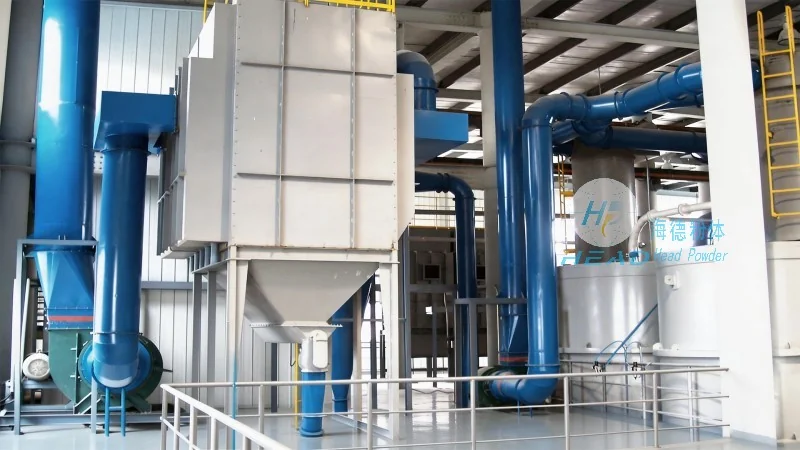
The operation of the sodium silicate powder conveying system follows a systematic process that ensures smooth and continuous material transport. The process begins with the loading of the sodium silicate powder into the storage hopper. The hopper is typically equipped with a lid and a discharge valve to control the release of material. Once the hopper is filled, the feeder is activated to start the flow of powder. The feeder regulates the flow rate, ensuring that the conveying equipment receives a consistent supply of material. The conveying equipment then moves the powder through the system, either by rotating screws or by using compressed air to push the powder along a pipeline. The powder is transported to the destination point, such as a processing unit or a storage silo. At the receiving end, the powder is discharged into the target container, completing the cycle. The system may include additional components, such as filters or dust collectors, to manage any dust generated during the conveying process, ensuring compliance with environmental regulations and maintaining a safe working environment.
Working Principle: How the System Functions
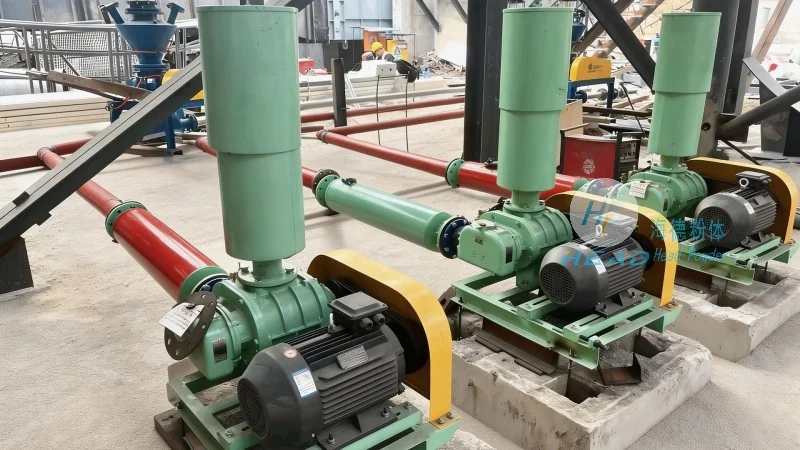
The working principle of the sodium silicate powder conveying system is based on the physical properties of the material and the mechanical or pneumatic forces applied to move it. In a mechanical conveying system, the powder is moved by rotating screws or augers that push the material forward. The screw's rotation creates a continuous flow, preventing the powder from settling and ensuring consistent transport. The speed of the screw and the pitch of the blades are carefully designed to match the characteristics of sodium silicate, such as its density and flowability. In a pneumatic conveying system, the powder is suspended in a stream of air and transported through a pipeline. The air pressure is maintained at a level sufficient to keep the powder in suspension, while the pipeline design minimizes friction and pressure loss. The system may use positive or negative pressure, depending on the application and the distance the powder needs to be transported. The control system monitors the pressure and flow rates, adjusting the air supply to maintain optimal conditions and prevent blockages or air leaks.
Benefits and Advantages of the System
The sodium silicate powder conveying system offers several benefits that make it an ideal choice for industrial applications. One of the primary advantages is its ability to handle hygroscopic materials like sodium silicate without causing moisture absorption or clumping. The system's design includes features such as sealed hoppers and enclosed conveying lines, which protect the powder from moisture and air exposure. This helps maintain the material's quality and performance, ensuring consistent results in downstream processes. Another advantage is the system's efficiency in terms of energy consumption and operational costs. By using controlled feed rates and optimized conveying speeds, the system minimizes energy waste and reduces the need for frequent maintenance. The system also enhances safety by reducing dust exposure and providing a controlled environment for material handling. This not only protects workers from respiratory hazards but also helps comply with occupational health and safety regulations.
Applications and Industry Use Cases
The sodium silicate powder conveying system is widely used in various industries that rely on sodium silicate as a key component. In the construction industry, sodium silicate is used as a binder in mortars and cements, and the conveying system ensures that the powder is delivered to the mixing plants in a consistent and controlled manner. In the chemical industry, sodium silicate is used in the production of detergents, adhesives, and water treatment chemicals, and the system facilitates the transport of the powder from storage to processing units. The system is also used in the glass and ceramics industry, where sodium silicate is incorporated into glass formulations and the conveying system ensures that the powder is added to the melting furnaces at the correct rate. Additionally, the system is employed in the paper and pulp industry for the production of specialty papers and coatings, where sodium silicate is used as a sizing agent. In each of these applications, the system's ability to handle the unique properties of sodium silicate and maintain product quality is crucial to the success of the production process.
Maintenance and Operational Considerations
Proper maintenance and operational considerations are essential to ensure the long-term performance and reliability of the sodium silicate powder conveying system. Regular maintenance activities include cleaning the hoppers and conveying lines to prevent the buildup of powder residue, which can lead to blockages or contamination. The feeders and conveying equipment should be inspected regularly for wear and tear, and replaced as needed to maintain optimal performance. The control system should be checked for proper calibration and functionality, ensuring that the system operates within the specified parameters. Operators should be trained to monitor the system's performance and respond to any issues promptly, such as changes in flow rate or pressure. Additionally, the system should be inspected for any signs of wear or damage, such as leaks or cracks in the pipeline, which could compromise the integrity of the conveying process. By following a regular maintenance schedule and adhering to operational guidelines, the system can operate efficiently and reliably, minimizing downtime and maximizing productivity.
Conclusion
The sodium silicate powder conveying system is a sophisticated and essential component in industrial processes that require the efficient handling of sodium silicate powder. Developed and manufactured by Shandong HeadPowder Engineering Co., Ltd., this system combines advanced engineering principles with practical design to address the unique challenges of sodium silicate transport. The operation process involves a series of coordinated steps, from material storage to final discharge, while the working principle relies on mechanical or pneumatic forces to move the powder through the system. The system offers numerous benefits, including improved product quality, enhanced safety, and reduced operational costs. With its wide range of applications across various industries, the sodium silicate powder conveying system is a critical tool for modern manufacturing, ensuring that sodium silicate is handled efficiently and effectively. HeadPowder's commitment to innovation and customer satisfaction makes it a trusted partner for businesses seeking reliable powder handling solutions.