

Principle of Lime Powder Pneumatic Conveying System
HeadPowder, a leading engineering company based in Shandong, China, specializes in the design and implementation of advanced pneumatic conveying systems for industrial applications. This article delves into the fundamental principles behind the operation of a lime powder pneumatic conveying system, highlighting the key components, working mechanisms, and practical applications that make it an efficient solution for material handling in various industries.
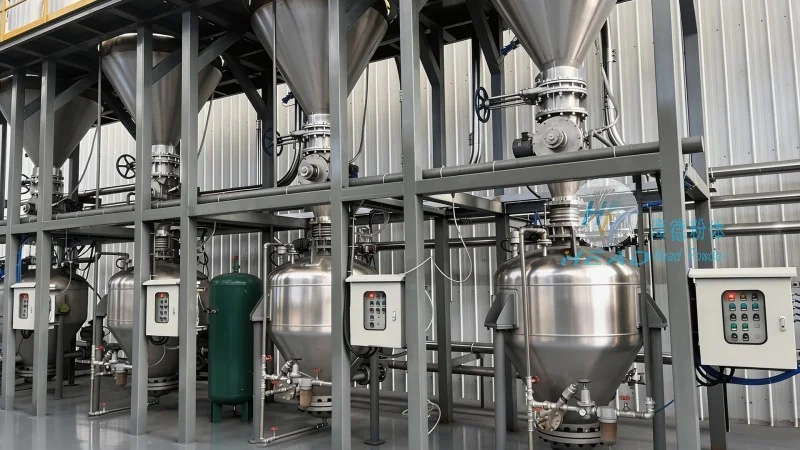
Introduction to Pneumatic Conveying Systems
Pneumatic conveying systems utilize air or other gases to transport bulk materials like powders, granules, and small particles through a network of pipes. The principle is based on the creation of a pressure differential that propels the material forward. In the context of lime powder, which is widely used in flue gas desulfurization, water treatment, and construction, such systems offer a reliable and cost-effective method for moving the material from storage to processing units.
Core Components of a Lime Powder Pneumatic Conveying System
The effectiveness of a lime powder pneumatic conveying system depends on several critical components that work in tandem to ensure smooth material transport. These include:
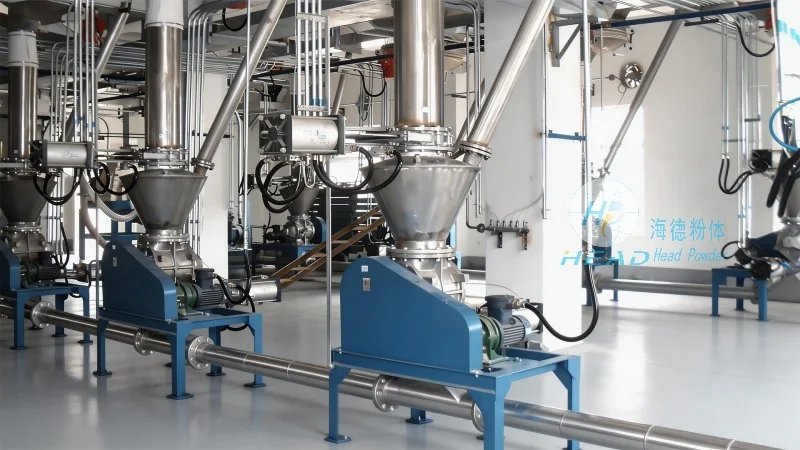
- Feeding Unit: This component is responsible for introducing the lime powder into the system. It may consist of a hopper with a rotary valve or a vacuum feeder, which controls the flow rate and prevents blockages. The design of the feeding unit is crucial as it directly impacts the system's efficiency and the uniformity of material discharge.
- Conveying Pipeline: The pipeline network forms the backbone of the system, transporting the lime powder from the feeding point to the destination. The choice of pipeline material, such as stainless steel or plastic, depends on factors like the material's corrosiveness, temperature, and the required pressure. The pipeline is typically equipped with bends, elbows, and straight sections to guide the material along the desired path.
- Pressure Generation Unit: This unit, often a blower or a vacuum pump, creates the necessary pressure or vacuum to move the material. The type of pressure generation equipment is selected based on the system's capacity, the material's properties, and the distance to be covered. High-pressure systems are used for long-distance or high-capacity applications, while low-pressure systems are suitable for shorter distances and smaller volumes.
- Separation and Collection Equipment: At the receiving end, the system must separate the lime powder from the air stream and collect it in a designated container. This is typically achieved using a cyclone separator or a bag filter. The separator works by using centrifugal force to separate the heavier particles from the lighter air, ensuring that the material is recovered efficiently and the air is cleaned before release.
Working Principle of the System
The operation of a lime powder pneumatic conveying system follows a sequential process that ensures continuous and controlled material transport. The steps involved are as follows:
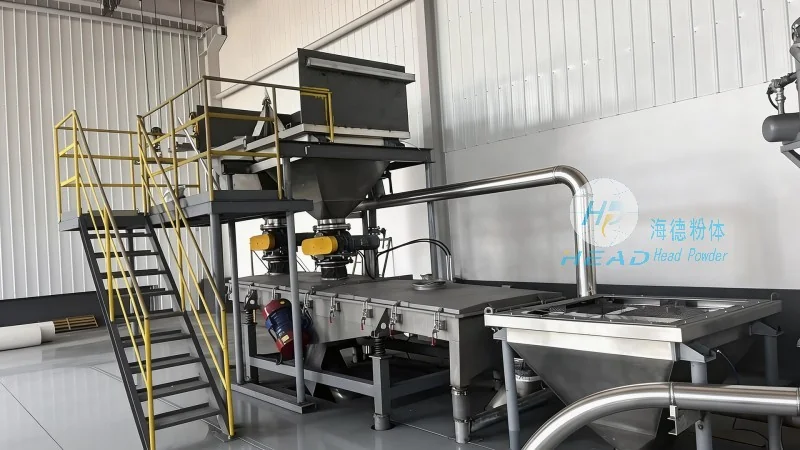
- Material Loading: The lime powder is fed into the hopper from a storage silo. The rotary valve or vacuum feeder then meters the material into the pipeline at a controlled rate.
- Air Injection: Simultaneously, the blower injects high-pressure air into the pipeline, creating a pressure differential. The air flows along with the lime powder, forming a slurry that moves through the pipeline.
- Transportation: The mixture of air and lime powder travels through the pipeline, navigating bends and changes in direction. The pressure and velocity of the air ensure that the material remains suspended and moves efficiently to the destination.
- Separation and Collection: Upon reaching the receiving end, the mixture enters the cyclone separator. The centrifugal force causes the lime powder to be thrown against the inner wall of the cyclone, where it falls into the collection hopper. The cleaned air is then discharged or recirculated, depending on the system design.
Advantages of Using a Lime Powder Pneumatic Conveying System
Implementing a pneumatic conveying system for lime powder offers several advantages over traditional methods like belt conveyors or bucket elevators. These benefits include:
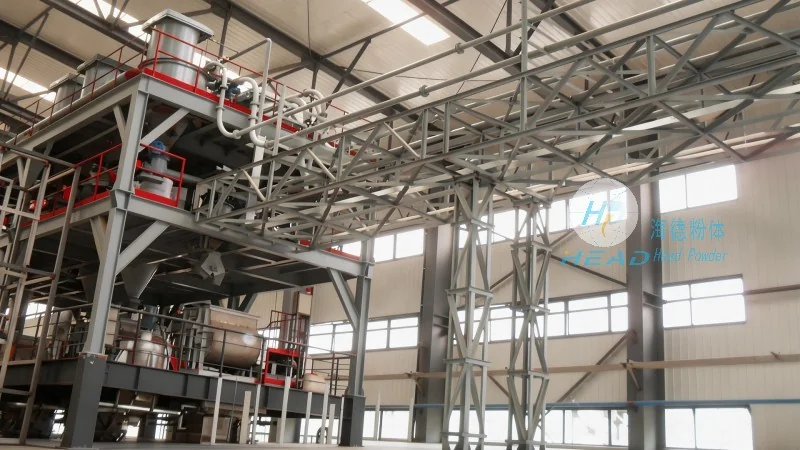
- High Efficiency and Reliability: The system can handle high volumes of lime powder with minimal downtime, as it is less prone to blockages and material degradation compared to mechanical systems.
- Environmental Friendliness: Pneumatic conveying systems are enclosed, which helps in containing dust and preventing environmental pollution. This is particularly important for lime powder, which can be a source of airborne particles.
- Space Efficiency: Unlike large mechanical conveyors, pneumatic systems require less floor space, making them suitable for facilities with limited room for installation.
- Flexibility in Layout: The system can be easily reconfigured or expanded by adding more pipeline sections or changing the direction of the flow, providing flexibility in plant layout and future expansion.
- Reduced Maintenance: With fewer moving parts compared to mechanical systems, pneumatic conveying systems generally require less maintenance, leading to lower operational costs over time.
Applications in Industrial Settings
Lime powder pneumatic conveying systems are widely used in various industrial sectors where lime is a critical component. Some common applications include:
- Flue Gas Desulfurization (FGD): In power plants, the system transports lime powder to the FGD system, where it reacts with sulfur dioxide to form gypsum, which is then used in construction materials.
- Water Treatment: In water treatment facilities, lime is used to adjust the pH level of water. The pneumatic system ensures that the lime powder is delivered to the treatment tanks in precise quantities, improving the efficiency of the water treatment process.
- Construction and Building Materials: Lime is used as a binding agent in concrete and mortar. The system facilitates the transport of lime from storage to mixing plants, ensuring consistent quality in the final products.
- Chemical Manufacturing: In chemical plants, lime is used in various processes, such as the production of calcium carbonate. The pneumatic conveying system provides a safe and efficient method for moving the material through the production line.
Conclusion
HeadPowder Engineering Co., Ltd., based in Shandong, China, specializes in the design and implementation of advanced lime powder pneumatic conveying systems. By understanding the fundamental principles and key components of such systems, industries can leverage this technology to improve material handling efficiency, reduce operational costs, and enhance environmental compliance. The reliable and flexible nature of pneumatic conveying systems makes them an ideal choice for transporting lime powder in various industrial applications.