With more than 10‑year industry experience, Shandong Headpowder delivers full‑service pneumatic‑conveying systems and blowers, undertaking nationwide turn‑key powder‑handling projects.
The sodium hypochlorite pneumatic conveying system is a specialized industrial solution designed to handle the transportation of sodium hypochlorite, a critical chemical widely used in water treatment, disinfection, and various industrial processes. This system leverages pneumatic conveying technology to efficiently move the liquid or slurry form of sodium hypochlorite from storage to processing units, ensuring safety, efficiency, and minimal environmental impact. As a key component in modern chemical handling, understanding the underlying principles of this system is essential for optimizing operations and maintaining compliance with industry standards.
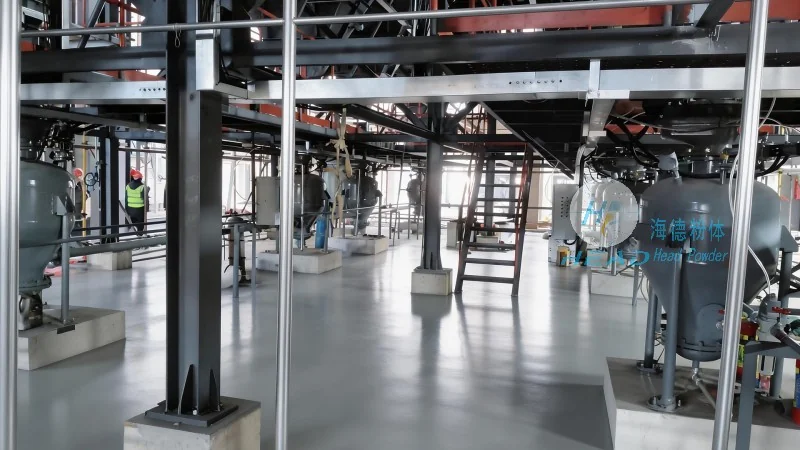
The pneumatic conveying system for sodium hypochlorite typically consists of several core components that work in tandem to achieve effective material transport. The primary elements include a storage tank or reservoir, a pump or feed system to introduce the sodium hypochlorite into the conveying line, a conveying pipeline (often equipped with special materials to resist corrosion from the chemical), a venturi or air injection device to create the necessary airflow, and a receiver or destination tank where the material is deposited. The working mechanism involves the sodium hypochlorite being pumped into the pipeline, where it is mixed with compressed air. The air flow generates a pressure differential that propels the liquid or slurry through the system, allowing it to travel over long distances without the need for mechanical conveyors, which can be prone to blockages or contamination.
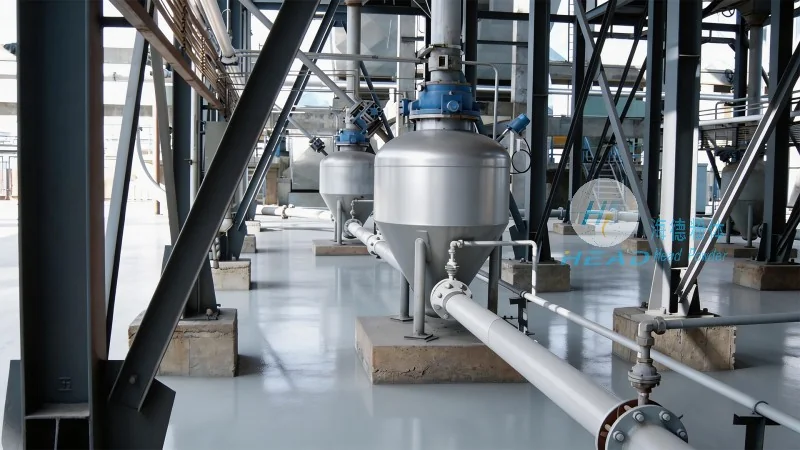
Compared to traditional methods such as gravity flow or mechanical pumps, pneumatic conveying offers several advantages when handling sodium hypochlorite. Firstly, it provides a closed system that minimizes exposure to air and contaminants, which is crucial for maintaining the chemical's effectiveness and preventing degradation. Secondly, the system allows for gentle handling of the material, reducing the risk of foaming or splashing that can occur with mechanical agitation. Thirdly, pneumatic conveying enables the transportation of sodium hypochlorite over extended distances with minimal energy consumption, making it an economically viable option for large-scale operations. Additionally, the system can be easily integrated with other processing equipment, such as mixing tanks or reactors, streamlining the overall production workflow.
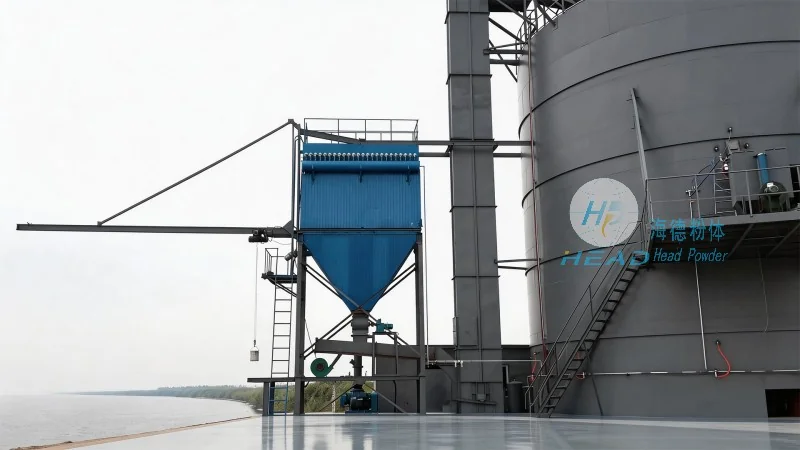
The sodium hypochlorite pneumatic conveying system is widely applied in various industries where sodium hypochlorite is a key reagent. In the water treatment sector, it is used to transport the chemical from storage to water treatment plants for disinfection and oxidation processes. In the paper and pulp industry, it aids in the bleaching and cleaning of pulp, while in the textile industry, it supports the disinfection of water used in dyeing and finishing operations. Furthermore, in the food and beverage industry, the system ensures safe and hygienic transport of sodium hypochlorite used for sanitizing equipment and water treatment. Each application benefits from the system's ability to maintain the chemical's integrity and deliver it to the processing point efficiently.
Given that sodium hypochlorite is a caustic and potentially hazardous chemical, the pneumatic conveying system incorporates robust safety features to protect personnel and the environment. The closed-loop design prevents leaks and spills, reducing the risk of chemical exposure. The system is also equipped with pressure relief valves and emergency shut-off mechanisms to handle any unexpected situations. Additionally, the materials used in the pipeline and components are selected for their resistance to corrosion and chemical attack, ensuring long-term durability and reliability. Environmental regulations require strict handling of sodium hypochlorite, and the pneumatic conveying system helps meet these requirements by minimizing waste and ensuring proper containment throughout the transportation process.
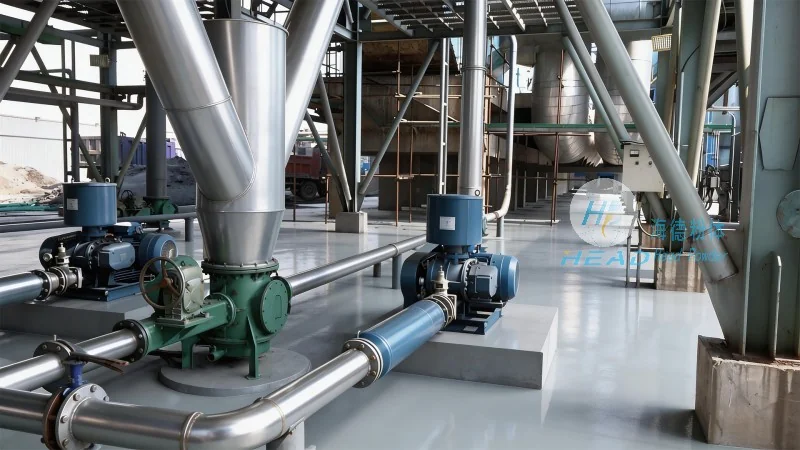
Shandong HeadPowder Engineering Co., Ltd. offers customized pneumatic conveying systems tailored to the specific needs of clients. The company, operating under the brand name headpowder, provides solutions that can be scaled from small-scale laboratory applications to large industrial plants. The design process involves thorough analysis of the client's operational parameters, including the volume of sodium hypochlorite to be transported, the distance of transport, and the required flow rate. This ensures that the system is optimized for efficiency and cost-effectiveness. The company's expertise in chemical engineering and material handling allows for the integration of advanced features, such as variable speed pumps and automated control systems, to enhance the system's performance and adaptability.

 Shandong Headpowder Engineering Co., Ltd.
 156-6277-7102(Manager Zhang)
  0531-83386006
  Zhangqiu District, Jinan City, Shandong Province, China
telephone
WeChatconsult
top