With more than 10‑year industry experience, Shandong Headpowder delivers full‑service pneumatic‑conveying systems and blowers, undertaking nationwide turn‑key powder‑handling projects.
Flake alkali, also known as caustic soda in flake form, is a widely used chemical in various industrial processes. The efficient and safe transportation of this material is crucial for maintaining production efficiency and ensuring operational safety. Pneumatic conveying systems have emerged as a reliable solution for handling flake alkali, offering advantages such as minimal dust generation, reduced material degradation, and the ability to transport materials over long distances without the need for complex infrastructure. This article provides an overview of flake alkali pneumatic conveying and delves into the fundamental working principles of pneumatic conveying systems.
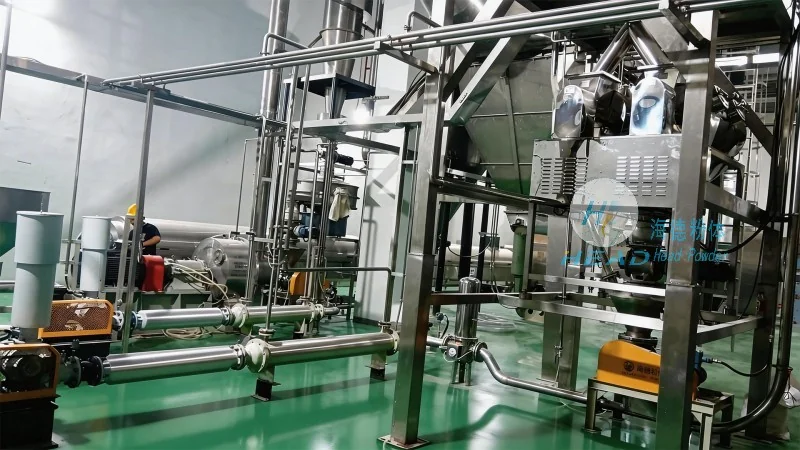
Flake alkali, typically sodium hydroxide (NaOH) in solid flake form, is a highly caustic substance with a strong alkaline nature. Handling this material requires specialized equipment and systems to prevent exposure, contamination, and material degradation. Traditional methods like manual handling or mechanical conveyors often pose challenges due to the material's hygroscopic properties and potential for dust formation. Pneumatic conveying addresses these challenges by utilizing air to transport the material in a closed system, minimizing direct contact and reducing the risk of exposure to workers and the environment.
A pneumatic conveying system consists of several key components that work in tandem to transport material. The primary components include a material hopper or bin, a conveyor line (either positive or negative pressure), a dust collector, and a receiver or discharge point. The material hopper stores the flake alkali, feeding it into the system as needed. The conveyor line, which can operate under positive pressure (where air is forced through the system) or negative pressure (where air is drawn out), moves the material from the hopper to the discharge point. A dust collector is essential to capture any fine particles that may escape, ensuring a clean and safe operation. The receiver is where the material is deposited after transport.
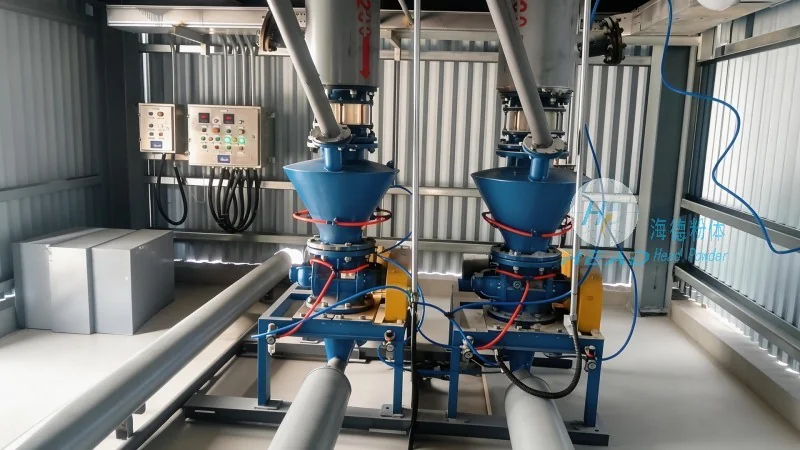
The working principle of a pneumatic conveying system is based on the movement of air and material particles. In positive pressure systems, compressed air is introduced into the conveyor line, creating a high-pressure environment that propels the material forward. The material is suspended in the air stream and transported through the system. In negative pressure systems, the air is drawn out of the system, creating a low-pressure environment that pulls the material along. The choice between positive and negative pressure depends on factors such as the material's properties, distance to be transported, and system design. For flake alkali, positive pressure systems are often preferred due to their ability to handle abrasive materials and maintain consistent flow rates.
Pneumatic conveying offers several advantages when transporting flake alkali. Firstly, it minimizes dust generation, which is critical for maintaining a safe working environment and preventing material loss. Secondly, the closed system reduces the risk of contamination from external sources, ensuring the material remains pure and suitable for its intended applications. Thirdly, pneumatic systems can transport materials over long distances without the need for intermediate transfer points, improving overall operational efficiency. Additionally, the system can be easily integrated with other processing equipment, such as reactors or storage tanks, facilitating a seamless production workflow.
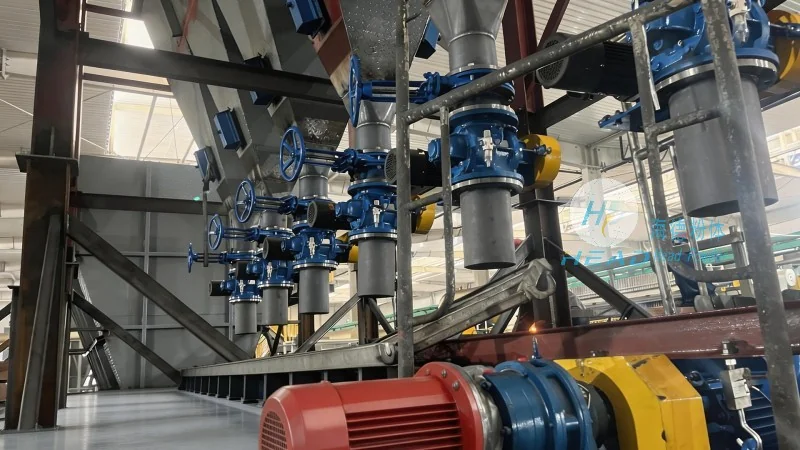
Flake alkali pneumatic conveying is widely used in various industries, including chemical manufacturing, food processing, and water treatment. In chemical plants, it is used to transport caustic soda to reactors for the production of other chemicals, such as sodium carbonate or sodium chlorate. In the food industry, it is used in the production of soaps, detergents, and other cleaning agents. In water treatment facilities, it is used to adjust the pH levels of water by adding the necessary amount of caustic soda. The versatility of pneumatic conveying makes it suitable for a wide range of applications where efficient and safe material handling is essential.
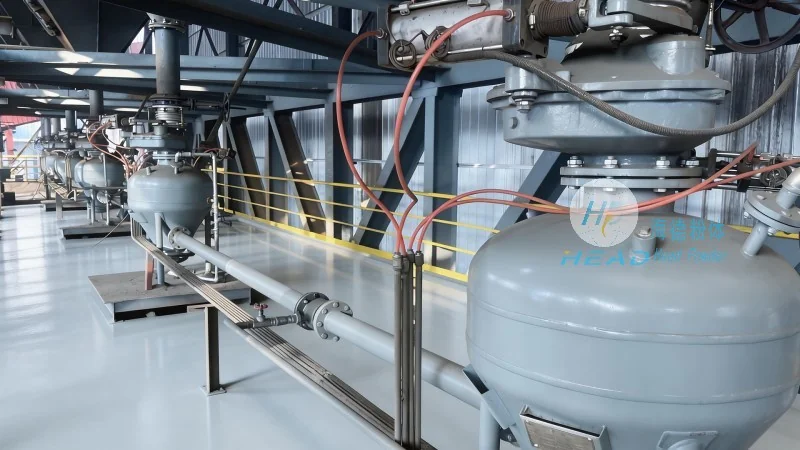
When implementing a pneumatic conveying system for flake alkali, several factors must be considered to ensure optimal performance and safety. The first consideration is the material's properties, including its density, flowability, and abrasiveness. These properties will determine the appropriate system design, such as the type of conveyor line (e.g., flexible hose or rigid pipe) and the required air pressure. The second consideration is the distance and elevation change between the hopper and the discharge point, as these factors affect the system's capacity and energy consumption. The third consideration is the system's integration with existing equipment, ensuring that the conveying process does not disrupt other operations. Finally, safety considerations, such as dust control and material containment, must be addressed to comply with regulatory requirements and protect workers.
Pneumatic conveying systems provide an efficient and safe method for transporting flake alkali, addressing the challenges associated with traditional handling methods. By understanding the working principles and key components of these systems, industries can optimize their material handling processes and improve overall operational efficiency. As a leading provider of engineering solutions, Shandong HeadPowder Engineering Co., Ltd. specializes in designing and manufacturing customized pneumatic conveying systems tailored to the specific needs of flake alkali handling. With a focus on quality, safety, and innovation, HeadPowder ensures that its systems meet the highest standards of performance and reliability, supporting the success of its clients in various industrial applications.

 Shandong Headpowder Engineering Co., Ltd.
 156-6277-7102(Manager Zhang)
  0531-83386006
  Zhangqiu District, Jinan City, Shandong Province, China
telephone
WeChatconsult
top